Let AFCON 2027 see the core of Bongo Flava vibe
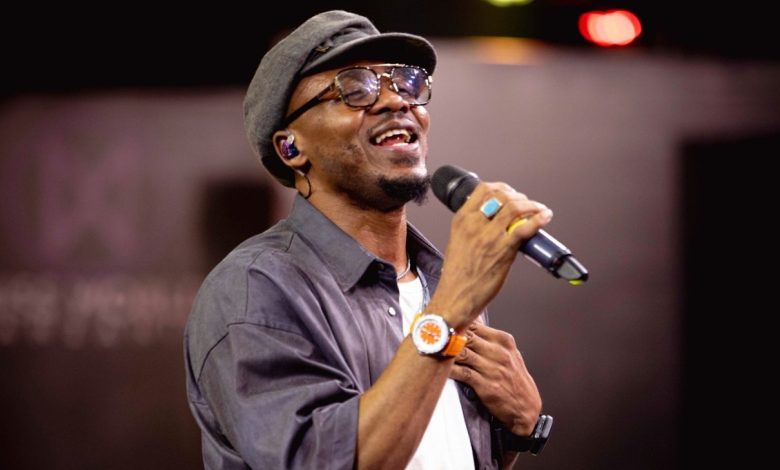
DAR ES SALAAM: VICE-President Deogratius Ndejembi has praised Bongo Flava artists Alikiba, Harmonize and Nahreel for promoting sports culture and named them as among the influential figures that could use their music popularity to promote sports like basketball.
The Vice-President expressed his sentiment after he agreed to serve as basketball patron. The Vice-President hailed artist Emanuel Mkono, popularly known as Nahreel, for his involvement with the Reel basketball team, saying that this is how celebrity investment can support the sport’s growth.
He made the remarks during the Dar es Salaam Regional League finals between Dar City and Stein Warriors, held at the International School of Tanganyika (IST) court in Masaki.
In simple words, VP Ndejembi’s remarks seem to call for artists’ full involvement in sports for the namesake of the Ministry of Information, Culture, Arts and Sports. In another approach, it is a wake-up call to the artists to use the Pamoja AFCON co-hosting as sports-cultural tourism that brings the whole continent to East Africa, whose game, natural attractions and cultural tourism combine to make it second to none in Africa.
It should not end with a question of who will be honoured to perform during the event’s opening ceremony; rather, it should be where the Bongo Flava stars, like Diamond, Zuchu, Harmonize, Nandy, Marioo or Mbosso will be performing at night after the end of AFCON’s Group Stage matches.
With the majority of them elevated to world-class status, it is rare to know the regular venues of the Bongo Flava performances, as most of the names have tight schedules outside Tanzania.
It’s now crystal clear that Bongo Flava is fully armed for global conquest after taking in and out varieties of Armed with African beats in its accompanying vocal phraseologies, Bongo Flava is today at home everywhere beyond Tanzania, Kenya and Uganda.
Bongo Flava has become a Pan-African music culture buoyed by the commendable success of its key players such as Diamond Platnumz, Harmonize, Mbosso, Ally Kiba, Zuchu, Marioo and Ray Vanny, who currently enjoy a huge acceptance outside East Africa. Diamond, who, is an inspiration to a wave of highly productive collaborations having done it with artists from across Africa, the US and beyond.
He performed with Fally Ipupa in “Inama”, “Yope Remix” with Innoss’B before doing “Waah” and “Achi” with Koffi Olomide.
From the United States, Diamond collaborated with Ne-Yo (“Marry You”), Rick Ross (“Waka”), Omarion (“African Beauty”), Alicia Keys and Morgan Heritage (“Hallelujah”).
He also collaborated with Nigerians: Davido (“Number One Remix”), Tiwa Savage (“Fire”), Flavour (“Nana”), P-Square and Adekunle Gold, besides Pitbull, Diljit Dosanjh and Bien Baraza from Kenya.
Diamond Platnumz makes 48,000 US dollars from YouTube monthly. He has 7.73 million YouTube subscribers and 2.17 billion total views. Also, with huge global acceptance is Harmonize who has collaborated with many prominent non-Tanzanian artists from across Africa and the global music scene, including Nigerians: Burna Boy, Yemi Alade, Ruger, Naira Marley and Mr Eazi.
From Ghana, there is Sarkodie, while Jose Chameleone and Eddy Kenzo are from Uganda. There are also Awilo Longomba (DR Congo), Focalistic (South Africa), Busiswa (South Africa), Mafikizolo (South Africa), Macky 2 and Roberto (Zambia), Bien Baraza (Kenya) and Abigail Chams.
From the Caribbean, Harmonize performed with Morgan Heritage (Jamaica/US), Bobby Shmurda (United States) and Spice (Jamaica).
ALSO READ: Africa sees Mwalimu Nyerere’s legacy in Bongo Flava artistry
Their collaboration with small and big artists from the globe makes it easier for Bongo Flava artists to cope with sounds or acts that are far different from their home culture, like what is seen in Lollipop, in which Zuchu shrugged off her taarab allegiance to match with Yemi Aladji’s Yoruba-singing style. Now reaching far outside East Africa, Bongo Flava, through its countless collaborations, is not solely music for Tanzanians but for the entire globe.
The collaborations have firmly sealed an East-WestSouth Africa pact in music. Afrocentric has become the perfect definition of these countless collaborations between East African artists and those from the rest of Africa in terms of vocals, dance and pulsating rhythm.
Africa expects to see the real core of Bongo Flava during the AFCON finals; hence musicians should start preparing special venues for the visitors.
It is easier for them today, unlike during the band music era when bands used newspapers to inform the public about venues of their live performance; new-generation artistry is digitalised to suit the global audience.
Most youthful music fans are not fans of newspapers, as notes Michael Kamata of Mbezi Luis, Dar es Salaam. He says: “A mobile phone has everything: music and news about my favourite artists.”
He says through social media they consume news and discover events on platforms like Instagram, TikTok, X (Twitter), Facebook and YouTube.
He said Bongo Flava megastars like Diamond, Zuchu or Hamonize reach audiences directly through their pages, targeted geo-ads and algorithmic feeds, which is much faster and more cost-effective.
Artists can announce tour dates and ticket links instantly via email newsletters, SMS lists and push notifications on streaming apps like Spotify or Apple Music, removing the lag time of print publishing. Today, Tanzania has seen a decline in print newspapers after the arrival of digital technology.
In the 1970s and 1980s, when Tanzanians relied only on Uhuru newspaper, live band music was frequently performed in bars and the most popular of them included Uhemeri Bar kwa Luhanga, where Dar International Orchestra performed weekly; Safari Resorts hosted Maquiz Du Zaire; Mlimani Park staged their concerts at DDC Kariakoo, DDC Magomeni Kondo or DDC Keko as per adverts in Uhuru. You could see Bima Lee at Mbwisi Bar, Manzese for the youth of the 1980s.
Other famed dance halls of the era are Kigongo Bar, Buguruni, Dimax Bar and Mkirikiti Bar Since most of them no longer exist, Bongo Flava artists can create venues of their specification for their fans across the continent from now as it’s not too late.