

Kudos to Govt for water grid plan
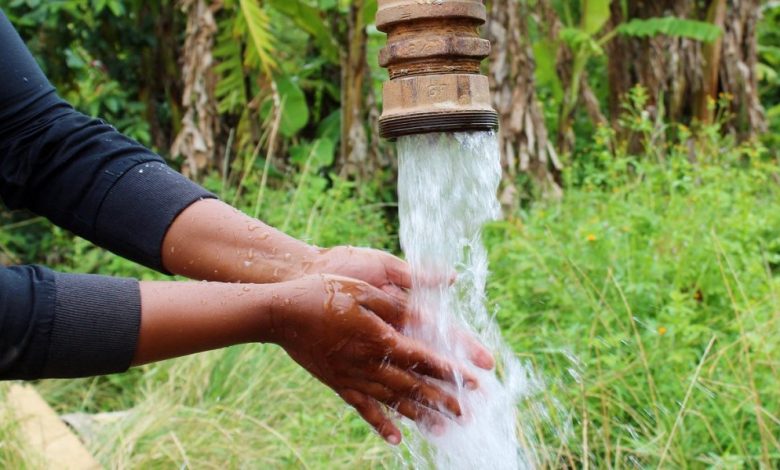
DAR ES SALAAM: TANZANIA is perceiving a wind of change as water grid takes shape. Minister for Water, Mr Jumaa Aweso was quoted yesterday as saying that the government has begun constructing a National Water Grid, a project designed to ensure every region has access to the country’s freshwater resources, reducing reliance on seasonal rainfall.
He said the project that replicates the architecture of the national electricity grid, aims to interconnect major water sources nationwide. It is pertinent to have a National Water Grid, which is a strategic plan or infrastructure system designed to move water efficiently across regions, balancing supply and demand, enhancing drought resilience and ensuring reliable water access.
This is especially for remote areas, through interconnected pipes, storage and smart technology, as proposed and implemented in countries like Australia and discussed in the UK and Tanzania. It’s essentially a large-scale, coordinated water network to improve water security for communities, agriculture and industry.
As Minister Aweso said, this will allow the government to seamlessly transfer surplus water from abundant basins to areas experiencing acute shortages, creating a unified and resilient supply network for the first time in the nation’s history.
The grid is already transforming lives in the Lake Victoria zone, while Tabora region is currently reaping the benefits of the massive inland pipeline, the capital, Dodoma, is the next strategic hub slated for connection to the Lake Victoria system.
What are the key components and goals of water grid? Infrastructure: Involves large-scale pipeline systems, reservoirs and pumps to transport water from areas of surplus to those with shortages.
Drought resilience: Aims to mitigate the impacts of climate change and increasing drought risks by creating flexible supply options. Community access: Focuses on improving water security for regional, remote and First Nations communities, as seen in Australia’s programme.
Economic benefits: Supports agriculture, industry and overall regional prosperity by ensuring stable water supply. Smart technology: Modern versions incorporate IoT and data sharing for better management and efficiency that is smart water grids.
We have in place examples of countries already on that and those that are planning for the same: Australia has the National Water Grid Fund (NWGF) to invest in water infrastructure projects for regional water security, supporting agriculture and communities. Kudos to government.



6.6 PROGRAMU ZA KIELELEZO
Mpango Elekezi 2050 umeainisha miradi 14 ya kielelezo. Miradi hii inalenga kuleta mageuzi ya viwanda nchini. Pia, itachochea ukuaji wa uchumi wa kidijitali na uchumi wa kijani. Itasaidia kukuza nguvukazi yenye ujuzi na maarifa ya kisasa. Aidha, miradi hii inalenga kuongeza ushindani wa Tanzania katika masoko ya kikanda na kimataifa. Miradi hiyo imepangwa kama ifuatavyo:
NO PROGRAMME
1 Mageuzi ya Viwanda kwa Ukuaji wa Uchumi
2 Ujumuishaji wa Sekta ya Madini kwa Maendeleo ya Viwanda na Uchumi wa Kijani
3 Ubunifu wa Kidijitali na Miundombinu Mahiri kwa Ukuaji wa Siku za Usoni
4 Ujenzi wa Uhimilivu wa Tabianchi na Uchumi Endelevu wa Kijani
5 Kuendeleza Miundombinu na Muunganisho wa Usafiri kwa Tanzania kuwa Kitovu cha Kikanda
6 Mageuzi ya Sekta ya Nishati kwa Umeme Safi na Endelevu
7 Kukuza nguvukazi yenye Afya, Elimu na Ujuzi
8 Kuimarisha Utawala Bora, Uwajibikaji na Mifumo ya Udhibiti
9 Kuendeleza Miji Mahiri na Miundombinu Endelevu ya Mijini
10 Kuchochea Biashara, Uwekezaji na Upanuzi wa Uchumi
11 Kupanua Sekta ya Utalii na Uchumi wa Utamaduni
12 Kubadilisha Sekta ya Kilimo na Uchumi wa Vijijini
13 Kuboresha Elimu, Utafiti na Ubunifu wa Kiteknolojia
14 Mageuzi ya Kifedha ya Kidijitali na Jumuishi