

KPMG pushes for stronger ecosystem to unlock startup investment
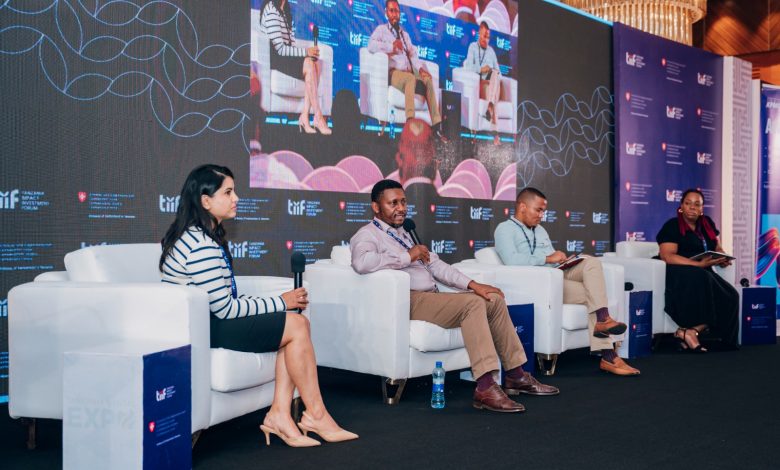
DAR ES SALAAM: Attracting investment remains one of the biggest hurdles facing startups and emerging businesses across Africa. While innovative ideas are abundant, attracting investors increasingly depends on factors that go beyond a promising business concept.
Today’s investors look for enterprises with sound governance structures, clear valuation frameworks, strong financial management that can withstand rigorous due diligence processes. For many entrepreneurs, meeting these requirements can be as challenging as developing the products and services they want to commercialise.
It is against this backdrop that discussions at the recent Tanzania Impact Investment Forum (TIIF) focused on strengthening the enabling environmentto support high-growth enterprises become investment-ready, connect with potential funders to be able to scale and grow.
Among the organisations championing this agenda was KPMG, which participated at the Forum as a sponsor and knowledge partner, reinforcing its commitment to supporting the growth of Tanzania’s entrepreneurial ecosystem.
Ahead of the forum, KPMG delivered a virtual masterclass on Terms, Valuation and Due Diligence for a select group of enterprises identified by VC4A, equipping entrepreneurs with practical knowledge on key investment considerations that often determine whether a business succeeds in attracting funding.
According to KPMG Associate Director for Deal Advisory and Strategy East Africa, Ms Kiran Sharma, forums such as TIIF provide a valuable platform for connecting local enterprises with investors seeking opportunities in emerging markets.
She noted that the gathering enables global and regional investors to gain a deeper understanding of Tanzania’s business environment while engaging directly with stakeholders shaping the country’s investment ecosystem.
“This is particularly important as impact investors, venture capital firms and development finance institutions increasingly seek investment opportunities capable of generating both commercial returns and measurable social impact,” said Ms Sharma.
This initiative underscored an important reality within the investment landscape – Access to finance is not always driven by a lack of capital.
In many instances, investors struggle to find enterprises that meet their investment criteria, while entrepreneurs face difficulties understanding the expectations and processes associated with fundraising.
By helping businesses better understand how investors evaluate opportunities, KPMG is contributing to efforts aimed at narrowing this gap and improving the quality of enterprises entering the investment market.
The three-day session brought together representatives from KPMG andother stakeholders, to examine practical interventions needed to support enterprise growth, attract investment and enhance competitiveness within regional and international markets.
A recurring theme throughout the discussion was the importance of collaboration. Participants emphasized that building a thriving entrepreneurial ecosystem requires coordinated efforts among policymakers, investors, development partners, business support organisations and entrepreneurs themselves.
Beyond facilitating dialogue, the Forum also serves as an important matchmaking platform, bringing together investors and enterprises at a time when competition for investment capital continues to intensify across the continent.
Industry stakeholders acknowledge that Tanzania possesses considerable entrepreneurial potential. However, unlocking that potential requires deliberate efforts to ensure promising businesses are both visible to investors and adequately prepared to secure and sustainably absorb financing.
Yet attracting more investment will require more than improved connections between entrepreneurs and financiers. Participants stressed that policy reforms remain essential in creating an environment where innovative businesses can start, grow and scale successfully.
One of the key issues highlighted during the forum was the need to finalise and implement Tanzania’s Startup Policy, which is expected to address several longstanding barriers affecting startup growth.
With this, Ms Sharma observed that effective implementation of the policy will be crucial in ensuring entrepreneurs receive the support neededto expand their operations and contribute more meaningfully to economic development.
She pointed to challenges related to talent acquisition, taxation and access to capital as areas requiring targeted interventions if Tanzania is to fully harness the potential of its startup ecosystem.
“Finalisation and implementation of the startup policy will be critical to ensure that startups in the country receive the support they require to scale and grow particularly around challenges of talent, tax and access to capital,” she said.
She added that blended finance can support high-impact enterprises attract institutional capital, as they can address investment risks that institutional investors typically shy away from.
However, it’s important to ensure the design of these models identify KPIs upfront that can be tracked to assess sustainability of concessional finance in the long run.
As Tanzania’s entrepreneurship ecosystem continues to mature, organisations such as KPMG are playing an increasingly important role beyond their traditional advisory functions.
Through investment readiness training, ecosystem dialogue, policy engagement and support for investor-entrepreneur connections, the firm is helping build the foundations necessary for high-growth enterprises to thrive.
For many startups, access to capital remains the ultimate objective. Yet the discussions at TIIF highlighted a broader lesson: sustainable enterprise growth depends not only on the availability of finance, but also on the strength of the ecosystem that prepares businesses to attract, utilise and scale that investment effectively.




Users should instead consider verifiable information, such as service details, terms of use, membership systems, deposit/withdrawal processes, and communication channels. wm787online