Korea’s 7.26bn/- project boost health sector in Dodoma
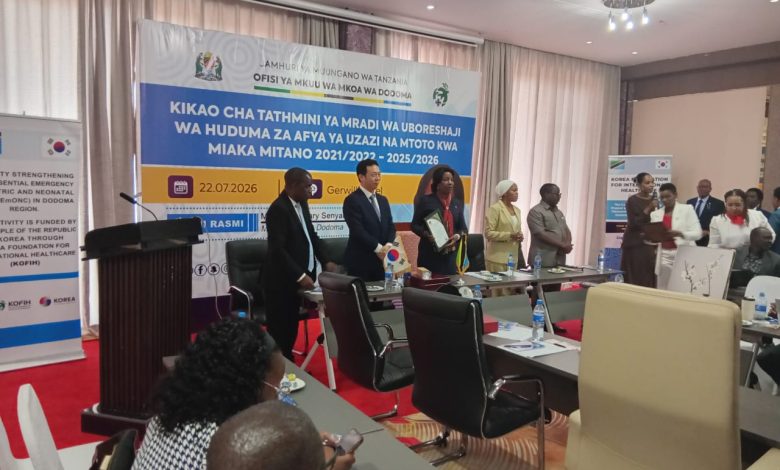
DODOMA: A 7.26bn/- Essential Emergency Obstetric and Newborn Care (EmONC) project implemented in Dodoma Region, with support from the Korea Foundation for International Healthcare (KOFIH), has significantly improved health systems and infrastructure, subsequently contributing to a reduction in maternal deaths in Kongwa and Mpwapwa districts.
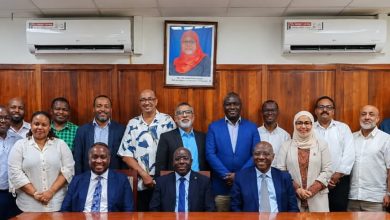
Dodoma Regional Reproductive and Child Health Coordinator, Ms Nice Moshi, revealed this in Dodoma on Wednesday during the final workshop meeting focusing on the five-year project, where Dodoma Regional Commissioner Rosemary Senyamule was the chief guest.
Explaining the successes recorded under the initiative, Ms Moshi said the project had improved the reliability of electricity supply in health facilities through the procurement and installation of generators at nine strategic health facilities.
Ms Moshi noted that the EmONC project had also increased the availability of blood for emergency care, with the project supporting extensive community mobilisation and outreach campaigns that resulted in the collection of 7,566 units of blood.
“Community-based reproductive health education programmes were implemented in schools to reduce teenage pregnancies, whereby 57 schools were reached—47 schools in Mpwapwa District Council and 20 schools in Kongwa District Council,” she stated.
Ms Moshi added that the project also promoted safe pregnancy and facility-based delivery through health awareness campaigns, reaching more than 9,300 women of reproductive age (WRA). The campaigns focused on early antenatal care (ANC), birth preparedness, postnatal care (PNC), skilled birth attendance (SBA) and danger signs during pregnancy and childbirth.
She said that by 2025, maternal deaths in Kongwa and Mpwapwa districts, where the project was implemented, had been reduced to only two in each district, down from seven and six deaths, respectively, recorded in the previous year.
The coordinator added that the project results demonstrated strengthened foundations for improved maternal and newborn health service delivery in the two districts through infrastructure development, which increased the availability of health services at targeted facilities.
Ms Moshi noted that the project facilitated the construction of a maternity and theatre block at Rudi Health Centre, two laboratory blocks, two paediatric wards, two staff houses, a laundry block, an RCH block and 400 metres of walkways. It also supported the completion of a theatre and maternity block at Ipera Health Centre and the renovation of the neonatal care unit at Kongwa District Hospital.
On his part, KOFIH Country Representative Gyeongbae Seo thanked the government for the collaboration that led to the smooth implementation of the project in the two selected councils.
Under the project, the representative said, the health system had improved in Kongwa and Mpwapwa, contributing significantly to the attainment of health-related Sustainable Development Goals (SDGs).
On her part, RC Senyamule said KOFIH funding had significantly enhanced the health sector in Dodoma, calling on local government officials to maintain the infrastructure constructed under the project and urging local leaders to replicate the initiative in other areas.
She directed authorities to effectively utilise health workers who had been trained under the project to improve the health sector in Dodoma, adding that blood donation programmes should be sustained as ongoing activities.