

Kiswahili, tourism and investment drive new era of Tanzania-France relations
DAR ES SALAAM: THE relationship between Tanzania and France is increasingly moving beyond traditional diplomacy, evolving into a partnership built on culture, language, tourism, investment and shared development goals. From Paris, where Kiswahili was celebrated on an international stage, to Dar es Salaam, where French and Tanzanian cultures came together during Afro Bastille 2026, the two countries continue strengthening connections between their people.
At the centre of this growing friendship is Kiswahili, a language that has become a symbol of cultural identity and international cooperation. The celebration of World Kiswahili Language Day in Paris marked another important milestone in promoting Tanzania’s heritage globally, with participation from senior government officials and diplomatic representatives.
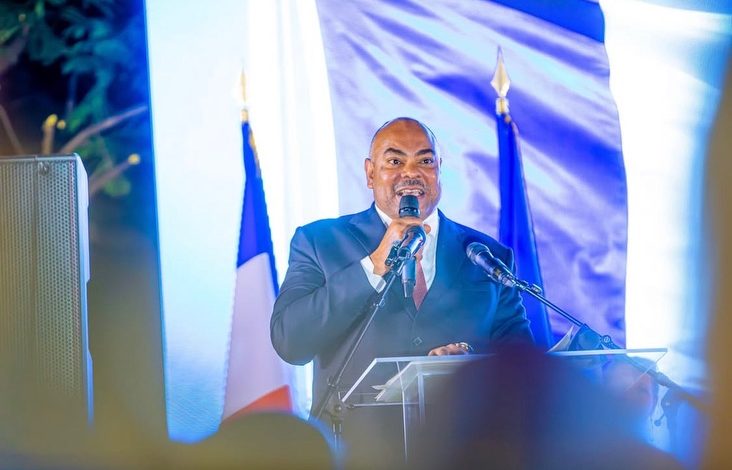
During the Afro Bastille 2026 celebrations of Diversity, Heritage and French-Tanzanian Friendship in Dar es Salaam, yesterday the Minister for Foreign Affairs and East African Cooperation Mahmoud Thabit Kombo described the recent Paris celebration as a historic achievement for Tanzania and Kiswahili.
“France continues to be a great host of the world in celebrating the International Day of the Swahili Language. This year’s celebration carries particular significance for Tanzania,” he said.
The minister noted that the event followed Prime Minister Dr Mwigulu Lameck Nchemba’s participation in the fifth celebration of World Kiswahili Language Day in Paris as Guest of Honour. The occasion also marked five years since Kiswahili was officially recognised by the United Nations Educational, Scientific and Cultural Organisation (UNESCO) as an international language.
“For this, we say Asante Sana,” Minister Kombo said, adding that Tanzania’s presence in Paris represented not a takeover but “a beautiful fusion of two nations, cultures and identities.”
He explained that Kiswahili continues to build bridges across communities by promoting dialogue, diversity and friendship. The celebration showcased Tanzanian cultural products, including the Kanga, alongside French cultural expressions, demonstrating how different traditions can complement each other.
Equally, French Ambassador to Tanzania Anne-Sophie Avé highlighted the importance of cultural exchange during Afro Bastille 2026 in Dar es Salaam, which celebrated France’s national day while recognising African heritage among French citizens.
“This year again we have built bridges between our countries, between our cultures,” Ambassador Avé said.
She congratulated Tanzania for successfully showcasing Kiswahili, fashion, food and culture in Paris, describing the event as a celebration of Tanzanian identity and international cooperation.
The ambassador emphasised that identity is shaped by belonging, citizenship and shared values rather than appearance.
“You are not French because you ‘look’ French, but because you were born or have chosen to become French,” she said.
She noted that France’s diverse society includes millions of people with African heritage and embraces cultural diversity, including dual and multiple nationalities. According to Ambassador Avé, France’s relationship with Africa is strengthened through music, fashion, talent and cultural exchange.
Cultural connections between Tanzania and France are also reflected in tourism. More than 200,000 French tourists visit Tanzania annually, contributing significantly to hotels, restaurants, transport services and other tourism-related businesses.
Ambassador Avé highlighted the role of Air France in connecting the two countries through regular flights linking Paris with Tanzania’s major tourism destinations, including Zanzibar and Kilimanjaro.
“Building bridges between Tanzania and France. This is what our national airline Air France does, several times a week, between Zanzibar, Kilimanjaro and Paris,” she said.
Beyond tourism and culture, Tanzania and France continue to cooperate in key development sectors, including energy, water, transport, infrastructure, health and agriculture.
Minister Kombo described the partnership as one built on mutual respect, shared interests and common aspirations.
“Tanzania and France share a deep-rooted friendship built on mutual respect, shared values and common aspirations. Over the years, our bilateral relations have continued to grow stronger, moving from strength to strength,” he said.
A major contributor to this cooperation is the French Development Agency (Agence Française de Développement – AFD), which since 1993 has committed approximately 1.5 billion US dollars to support Tanzania’s development priorities.
AFD currently supports 18 projects covering energy, water, sanitation, health, agriculture and urban transport. These investments have improved infrastructure, expanded access to essential services and supported sustainable economic growth.
Minister Kombo highlighted the Buhimba Water Treatment Plant, launched by President Dr Samia Suluhu Hassan in June 2025. The 150 million euro project has improved access to clean and safe water for about 450,000 people in Mwanza and surrounding areas.
France’s contribution to tourism has also focused on building local capacity. Support for the Zanzibar Tourism Centre of Excellence has helped empower young Tanzanians, especially women, through practical skills training and English language programmes.
Minister Kombo said further cooperation would support additional centres promoting professional tour guiding, language skills and employment opportunities in tourism.
With tourism becoming increasingly competitive globally, investing in youth skills remains essential to ensuring local communities gain greater benefits from the sector.
Trade and investment relations are also expanding. Minister Kombo highlighted engagement between French businesses and Tanzanian institutions, including exchanges between MEDEF International and the Tanzania Investment Centre, as evidence of growing investor confidence in Tanzania’s economic opportunities.
The Afro Bastille 2026 celebration in Dar es Salaam brought together diplomats, business leaders, cultural representatives and the public to celebrate the diversity connecting Tanzania and France.
The event featured cultural performances, fashion exhibitions and presentations on French-supported initiatives, including the Kanga Design Competition, language programmes and development partnerships.
The Kanga competition received more than 160 proposals, with selected designs displayed as a symbol of creativity and cultural collaboration between the two nations.
Ambassador Avé said such initiatives show how diplomacy can extend beyond government engagements and become a platform where citizens, artists and businesses interact.
She thanked partners including Air France, the Alliance Française centres in Arusha and Dar es Salaam, and the French School for supporting cultural exchange.
ALSO READ: Kiswahili rising globally as Africa’s Lingua Franca, connects millions across borders
As Tanzania and France continue strengthening their partnership, opportunities remain open in tourism, education, investment, technology and cultural cooperation. The shared ambition is to create a relationship where collaboration delivers practical benefits while celebrating the diversity that connects both nations.
The story of Tanzania-France relations is no longer defined only by diplomatic meetings. It is visible through language exchanges, tourism links, investment partnerships, development projects and cultural celebrations.
From Kiswahili celebrations in Paris to Afro Bastille in Dar es Salaam, the message remains clear: When nations respect each other’s heritage and work together, culture becomes a bridge, diplomacy becomes stronger and shared prosperity becomes possible.




Great article! The practical examples were especially helpful.
Excellent post. I enjoyed reading every section.
This was a valuable and informative article.
Thank you for sharing your expertise so clearly.
Great work. The insights shared here are very relevant.
Excellent content. The explanations were simple and effective.
References:
Lollybet Casino Sicherheit mobile.myprice74.ru