Kilimanjaro RC urges residents to secure health cover
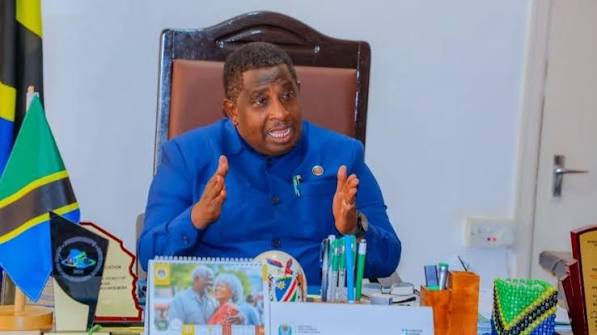
KILIMANJARO: THE Kilimanjaro Regional Commissioner (RC), Nurdin Babu has urged residents to enrol in the Universal Health Coverage (UHC) scheme, saying it will help ease the burden of medical expenses on households.
The RC was speaking recently in Moshi during the regional launch of the second phase of the scheme’s registration, which aims to extend health insurance coverage to all citizens and households in the region.
“Health is the foundation for the development of individuals, families and the nation as a whole,” Mr Babu said.
He added that good health enables people to engage in productive activities, earn income and contribute to national development.
He said the government has introduced the scheme to improve access to healthcare for Tanzanians across different social and economic groups.
According to the RC, the scheme will operate through subsidised, semicontributory and contributory models, with the aim of reducing upfront medical costs and protecting households from financial hardship caused by unexpected illness.
He said Kilimanjaro has a projected population of 2,061,256 people living in 494,428 households, based on 2026 population and housing projections, underscoring the need to extend insurance coverage across the region.
“The objective of this second phase of the UHC scheme registration is to reach all citizens and every household within the Kilimanjaro Region,” he said, urging residents to enrol to ease the burden of medical expenses.
He noted that the cost of treating illnesses, particularly those requiring long-term or specialised care, could affect not only household finances but also children’s education, livelihoods and family welfare.
ALSO READ: Kilimanjaro RC acts tough on teachers stigmatizing students with disabilities
He commended the government for introducing the scheme, describing it as an important step towards addressing challenges in accessing affordable healthcare.
The first phase of the scheme was launched in January, targeting low-income households and vulnerable groups, including older people, children, pregnant women and persons with disabilities, according to Babu.
He said the second phase would be accompanied by public education on registration procedures, required contributions, covered services, participating health facilities and how beneficiaries could access care.
The RC called on health professionals, community leaders and other stakeholders to support public awareness efforts and encourage residents to register.
He said broad participation would be essential to achieving the scheme’s objective of expanding access to healthcare and reducing the financial burden of medical treatment.