Kikwete to lead AU, UN, IGAD team in South Sudan peace efforts
JUBA, South Sudan: FORMER President Jakaya Kikwete has been appointed to lead a joint team of the African Union (AU), United Nations (UN) and the Intergovernmental Authority on Development (IGAD) tasked with advancing the peace process in South Sudan.
Kikwete, who is also the African Union Commission Chairperson’s High Representative for the Horn of Africa and the Red Sea, will represent the AU in the joint initiative aimed at securing lasting peace in the world’s youngest nation.
The team was established following recommendations by the African Union’s Committee of Five Heads of State and Government (C5), which oversees peace efforts in South Sudan. The committee comprises South Africa, which chairs the group, Nigeria, Rwanda, Algeria and Chad.
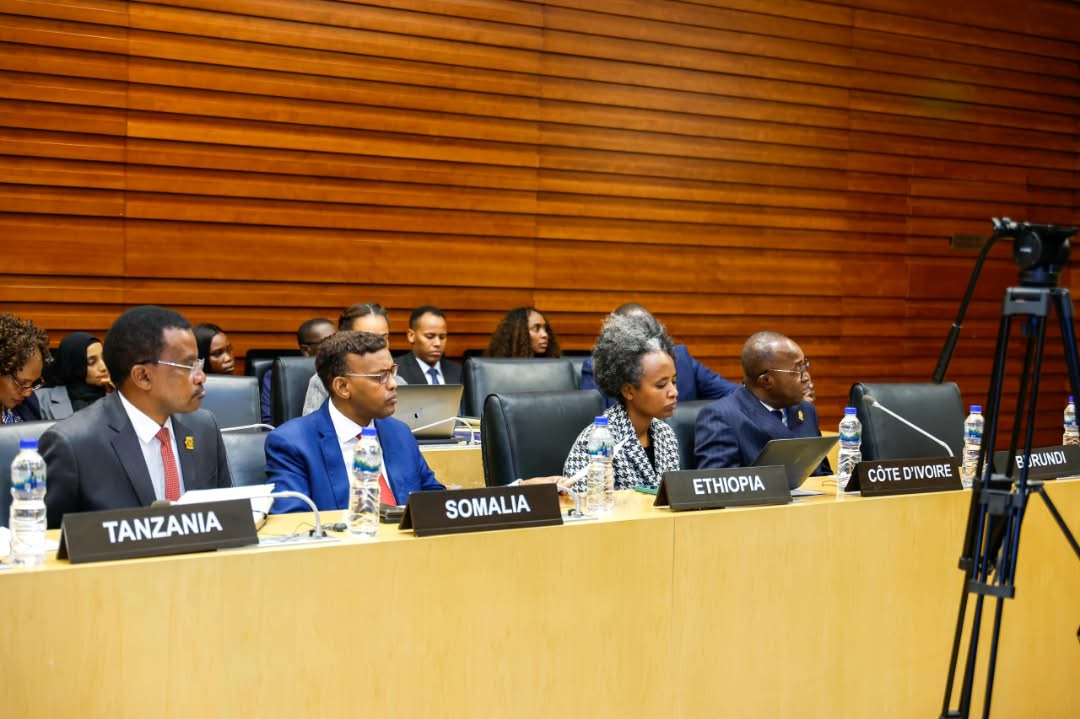
The recommendations were made during the committee’s meeting held on September 29, 2026.
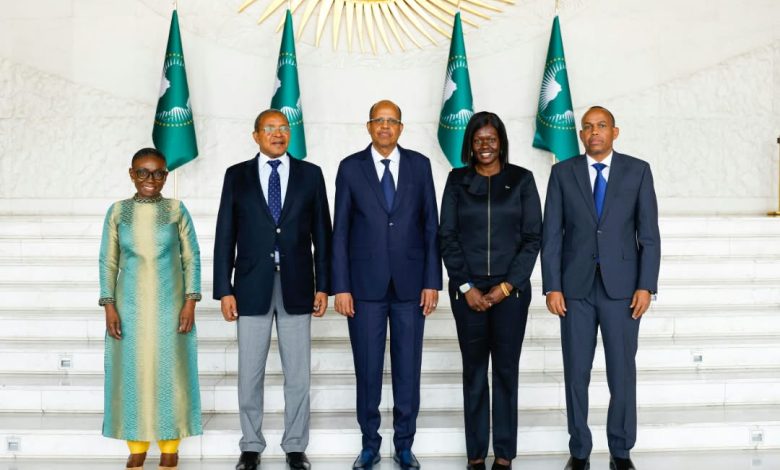
Launching the team, AU Commission Chairperson Mahmoud Ali Youssouf expressed optimism that the collaboration between the three regional and international organisations would accelerate efforts to achieve lasting peace in South Sudan.
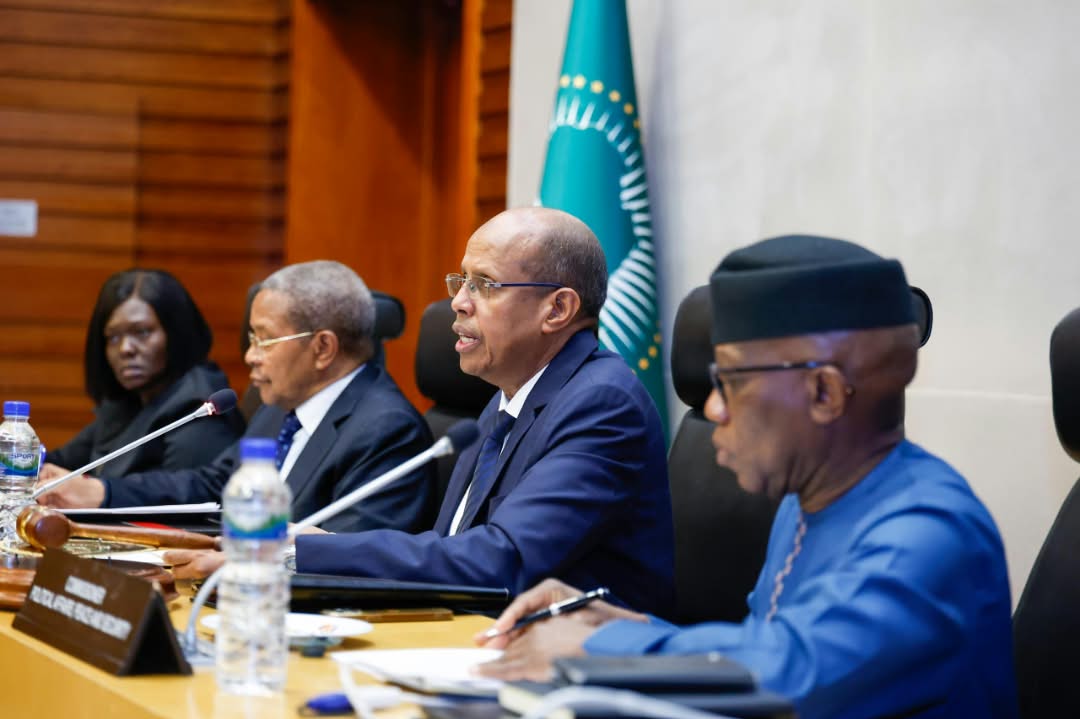
Other members of the team include Anita Kiki Gbeho, the UN Secretary-General’s Special Representative and Head of the United Nations Mission in South Sudan (UNMISS), and IGAD Special Envoy to South Sudan, Ambassador Moussa Djama Ali.
The launch ceremony was also attended by South Sudan’s Foreign Affairs Minister Cecilia Adut Manyok and the Interim Chairperson of the Reconstituted Joint Monitoring and Evaluation Commission (RJMEC), Ambassador Major General (Retired) George Aggrey Owinow.
The team will be supported by technical committees drawn from the three organisations.
Speaking to Radio Miraya, operated by UNMISS, after the launch, Kikwete said the team would work closely with the South Sudan government, various stakeholders within and outside the country, as well as the international community, to restore lasting peace. 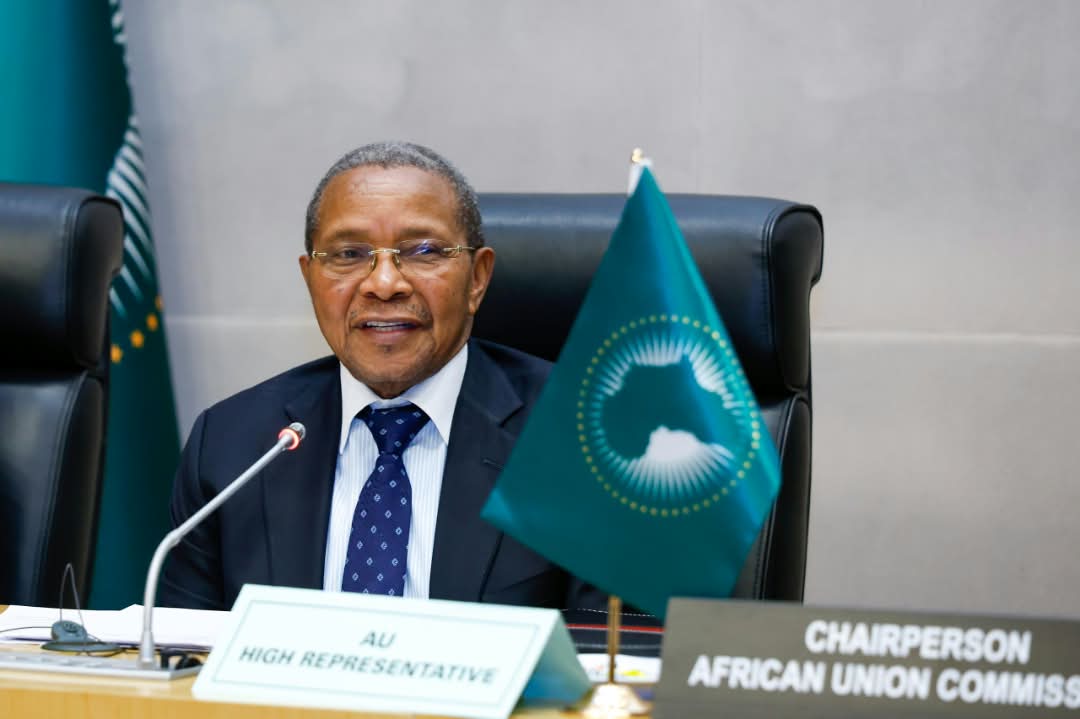
He expressed hope that the joint initiative would contribute to efforts to address the challenges facing the country and support its transition towards stability.
According to the electoral calendar recently released by South Sudan’s Electoral Commission, the country is preparing to hold its first general election since gaining independence from Sudan in 2011.
The planned election is widely viewed as a critical milestone in the country’s political transition, offering citizens an opportunity to begin rebuilding a nation that has experienced instability, violence and civil conflict since independence.