

Key diplomatic and economic move
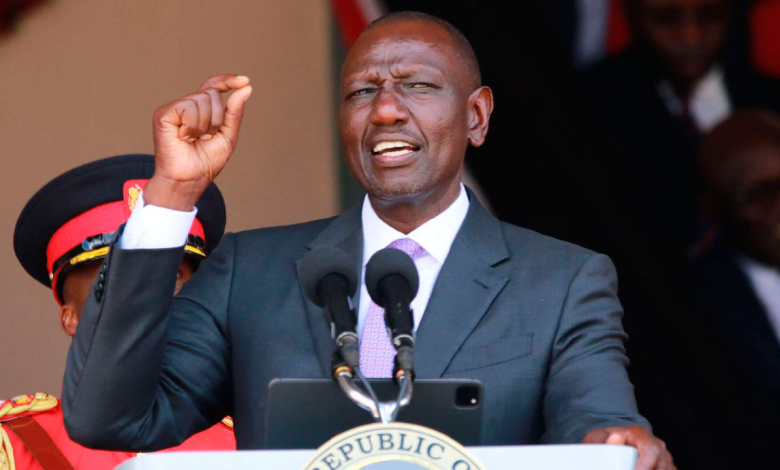
DAR ES SALAAM: ON 30 April 2026, the ‘Daily News’ main page featured the headline, “Ruto will address Tanzanian Parliament next week on 5th May 2026”.
While many analysts are still contemplating the timing, the issue, among others mentioned in the article, may relate to Kenyans asking Tanzanians for forgiveness, as information is circulating on social media (see https://facebook.com/share/ v/17d1WQYCAE/?mibextid=wwXIfr, circulated on 27 April 2026), with the headline “Sorry, Tanzania; let’s forgive Kenyans for our statements. We will die of hunger; don’t deprive us of food.”
Apart from the apologies from Kenyans to our Tanzanian brothers and sisters, the upcoming address by President William Ruto to Tanzania’s Parliament on May 5, 2026, in my view, is set to be a highly symbolic diplomatic and economic event between Kenya and Tanzania in recent years.
Looking back at history, the planned address is expected to be significant, as it is expected to be the first formal speech by a Kenyan President to Tanzania’s Parliament in Dodoma.
Much as I am not a prophet, the visit is likely to yield three major outcomes: strengthening political trust between the two countries, accelerating East African economic integration and opening new avenues for strategic cooperation in trade, infrastructure, energy and regional investment diplomacy. One of the most important aspects of the visit is its political symbolism.
Tanzania and Kenya are the two largest economies in the East African Community (EAC), yet historically their relationship has at times been marked by trade hiccups, minor cross-border trade disputes, policy mistrust, and competitive nationalism.
Disagreements over tariffs, aviation rights, tourism operations, sugar or maize imports and non-tariff barriers have occasionally strained bilateral relations.
Nevertheless, the upcoming parliamentary address, in my view, indicates a conscious move towards more profound diplomatic engagement and stronger institutional cooperation.
President Samia Suluhu Hassan’s government has adopted a more transparent approach to regional diplomacy than in previous years, focusing on economic diplomacy, regional connectivity and boosting investor confidence.
Meanwhile, President Ruto has positioned himself as a champion of regional integration and a proponent of intra-African economic collaboration.
His administration consistently highlights East African trade reforms, African financial independence and the development of stronger regional markets, which may be why he recently openly urged investors to establish an oil refinery in Tanga.
Given this alignment, the address is likely to focus heavily on the future of East African integration in a new form that will enable these nations to remain competitive in their own right while sharing a common agenda.
Ruto will likely emphasise freer movement of goods, capital, labour and investment across the EAC bloc.
ALSO READ: Tanzania outlines its move to leverage technology for socio-economic development
Such messaging would resonate strongly with Tanzania’s current infrastructure expansion agenda, including ports, railways, logistics corridors and industrialisation projects a vision clearly articulated in the DIRA 2050.
Economically, the speech could boost investor confidence in both nations.
Since Kenya and Tanzania’s economies are highly linked, investors pay close attention to their political relations. Kenya continues to be a significant investor in Tanzania’s banking, insurance, retail, logistics and telecommunications industries.
Meanwhile, Tanzania is becoming increasingly vital to Kenyan exporters and regional logistics networks, as evidenced by the recent acquisition of businesses in Kenya by Tanzanian businessmen.
A positive diplomatic tone in the address may therefore reduce perceived political risks for cross-border investors.
This is important, as both countries are competing for regional investment capital amid global economic uncertainty, debt pressures and shifting international supply chains.
One likely outcome could be a renewed momentum towards reducing non-tariff barriers that continue to affect cross-border trade.
Businesses operating between Tanzania and Kenya have long complained about customs delays, regulatory duplication, licensing barriers and transport restrictions.
Ruto’s speech will likely stress the importance of harmonising regulations and improving regional trade efficiency.
If followed by practical reforms, this could significantly benefit traders, manufacturers, transporters and SMEs in both countries, thereby genuinely laying the groundwork for providing employment opportunities to young people.
Tanzania could gain improved access to Kenyan financial systems, logistics networks and technology ecosystems, while Kenyan firms could expand further into Tanzania’s rapidly growing market and industrial sectors.
Another important area likely to emerge is infrastructure and energy cooperation.
Recent reports indicate ongoing discussions involving regional refinery development and broader strategic industrial cooperation among East African leaders.
Tanzania’s natural gas potential, strategic ports and expanding transport infrastructure complement Kenya’s strengths in financial services, innovation ecosystems and logistics.
Ruto’s address may therefore emphasise regional industrial partnerships rather than economic competition.
The timing is also significant given wider geopolitical and economic developments in Africa.
African countries are increasingly under pressure to strengthen regional value chains, reduce import dependency and increase intra-African trade under the African Continental Free Trade Area (AfCFTA).
Tanzania and Kenya together account for a substantial share of East Africa’s GDP and regional trade activity. Improved cooperation between them could therefore reshape economic dynamics across the region, given its geographical location and role as a gateway to most landlocked nations.
In Tanzania’s case, fostering closer ties with Kenya could bring multiple strategic advantages. Firstly, Tanzania might see enhanced access to regional financial resources and investment collaborations.
Nairobi remains a major financial and fintech hub in Africa, while Tanzania offers growing opportunities across sectors such as energy, mining, logistics, agriculture, tourism and manufacturing.
Strengthening relations could promote more joint ventures, increased investment flows, and job creation opportunities.
Second, tourism cooperation may improve. Kenya and Tanzania share globally significant tourism assets, including the Serengeti and Maasai Mara ecosystems.
Closer cooperation could encourage integrated tourism packages, aviation coordination and higher regional tourist inflows. Third, technology and innovation partnerships could expand significantly.
Kenya’s strength in fintech and digital innovation, combined with Tanzania’s growing digital economy, may create opportunities in mobile finance, e-commerce, digital trade and SME financing ecosystems. Fourth, the integration of transport and logistics may speed up.
Tanzania’s ports and railway projects are gaining significance for regional trade corridors. Enhanced coordination between Kenya and Tanzania could fortify East African supply chains and lower transportation costs for local businesses.
However, despite these opportunities, challenges remain. Economic competition between the two countries will not disappear overnight.
Kenya continues to seek to maintain its dominance as East Africa’s commercial and financial hub, while Tanzania is rapidly positioning itself as a major logistics, industrial and investment destination.
There are also periodic tensions over trade protectionism and local industry protection policies. Additionally, domestic political pressures in Kenya could influence how some of Ruto’s regional messages are received.
President Ruto continues to face economic pressures at home, including cost-of-living concerns, public debt challenges and criticism of taxation policies.
As a result, part of his regional diplomacy strategy appears aimed at expanding economic opportunities beyond Kenya’s borders through regional integration and investment diplomacy.
The address is therefore likely to balance diplomacy with economic pragmatism. It will probably seek to reassure Tanzanian leadership that Kenya views Tanzania as a strategic partner rather than merely a competitor.
Another probable result is enhanced parliamentary diplomacy between the two nations.
This cooperation can help formalize bilateral relations independent of presidential terms.
Such interactions might foster better policy coordination on issues like trade laws, investment frameworks, taxation, regional infrastructure and migration policies.
From a broader East African perspective, the visit and speech could strengthen confidence in the EAC.
The bloc has faced scepticism due to slow integration progress and political disagreements among members.
In my opinion, a notable parliamentary speech by Ruto in Dodoma clearly shows that Kenya and Tanzania remain committed to regional integration despite occasional tests.
While all Kenyans and Tanzanians are eagerly awaiting this historic speech, which has not been delivered for a long time, especially since the government moved to Dodoma, the likely outcome of President Ruto’s address will be a strengthening of diplomatic goodwill, renewed momentum in economic cooperation, and stronger narratives of regional integration between Tanzania and Kenya.
The real long-term impact, however, will depend on whether both governments convert symbolic diplomacy into concrete economic actions, such as reducing trade barriers, harmonising regulations, facilitating investment and coordinating strategic infrastructure development.
If practical follow-up measures arise after the visit, the speech could mark a turning point towards a more economically integrated East African corridor, jointly led by Tanzania and Keny




References:
Legiano Casino Deutschland forums.dovetailgames.com
References:
Kingmaker Casino Gutscheincode http://images.google.gp/
References:
Kingmaker casino klarna einzahlen https://captcha.2gis.ru/form?return_url=https://link.1hut.ru/chadwickslagle
References:
KingMaker Casino Einzahlung mit Prepaid reibert.info
References:
KingMaker Casino Einzahlung mit Paysafecard hakumon.sakura.ne.jp
References:
Hit n spin casino deutsch http://www.google.com.om/
References:
Hitnspin casino sign up bonus https://www.douban.com
References:
Hitnspin casino legal translate.itsc.cuhk.edu.hk
References:
Hitnspin casino auszahlungslimit g.i.ua
References:
Hitnspin freispiele https://beamng.com
References:
Hitnspin casino gutscheincode 1mailbox.in
References:
Hit’n’spin casino 25 euro code https://iframely.pagina12.com.ar/
References:
Lollybet Casino Seriös researchesanswered.akamaized.net
References:
Lollybet Casino Seriös http://images.google.com.vn/url?sa=t&url=http://images.google.am/url?q=https://lollybet.com.de/
References:
Lollybet Kundenservice http://www.google.com.sl
References:
Lollybet Casino Zahlungsmethoden http://cse.google.com.ec
References:
Lollybet Casino Paysafecard secure.javhd.com
References:
Hitnspin casino review http://cse.google.co.ao/
References:
Hitnspin casino bonus ohne einzahlung http://alagard.ru/bitrix/redirect.php?event1=&event2=&event3=&goto=https://skitterphoto.com/photographers/2872403/didriksen-duckworth
References:
Hit n spin bewertung 67.pexeburay.com
References:
Hitnspin casino sign up bonus http://cmbe-console.worldoftanks.com/
References:
Hitnspin casino bonus ohne einzahlung http://clients1.google.com.vn
References:
Payid online pokies australia https://katambe.com
References:
Lollybet Mirror Link http://clients1.google.com.lb
References:
Lollybet Registrierung http://clients1.google.com.sa/url?q=https://degreecritical.com/vidapederson32
References:
Lollybet Casino Lizenz https://pt.grepolis.com
References:
Lollybet Casino Spielautomaten https://www.t10.org/
References:
Lollybet Casino Lizenz https://diamond-tours.ru
References:
Lollybet Kundenservice https://wiki.fd.io
References:
Lollybet Casino No Deposit https://ask.ru/
References:
Lollybet Login toolbarqueries.google.ps
References:
Lollybet Casino No Deposit Bonus maps.google.sc
References:
Lollybet Casino Bonus Code link.zhihu.com
References:
Lollybet Casino Live Dealer images.google.vu
References:
Lollybet Casino Download http://shop2.hnc0822.cafe24.com/member/login.html?returnUrl=https://utml.it/brittmccord322
References:
Lollybet Casino Bonus Code http://www.google.mv/
References:
Lollybet Test http://www.google.mn/url?q=https://cre.pr/leandrar09986
References:
Lollybet Test paltalk.com
References:
New castle casino https://vmcworks.com/employer/die-besten-online-casino-zahlungsmethoden-2026
References:
Lollybet Meinung forums.bit-tech.net
References:
Lollybet Casino mit Echtgeld https://77.cholteth.com/index/d1?diff=0&utm_source=ogdd&utm_campaign=26607&utm_content=&utm_clickid=cw0488o4c8wggkcc&aurl=https://precisionscans.net/employer/lolly-bet/
References:
Lollybet Kontakt meet.riskreduction.net
References:
Payid online pokies https://volga.news
References:
Luck Casino Test http://declarant.krafttrans.by/
References:
Candy96 deposit methods https://toutsurlemali.ml/employer/candy96-casino-australia-your-premier-gaming-destination-down-under-2
References:
Bet365 Casino Bonus ohne Einzahlung https://xbymw.com/
References:
Candy96 live dealer inprokorea.net
References:
Candy96 loyalty program https://ramrokaam.com.np/companies/candy96-bonus-100-match-up-to-2000-aud-plu