JK calls on Africa to prioritize investment in human capital, infrastructure for continent’s prosperity
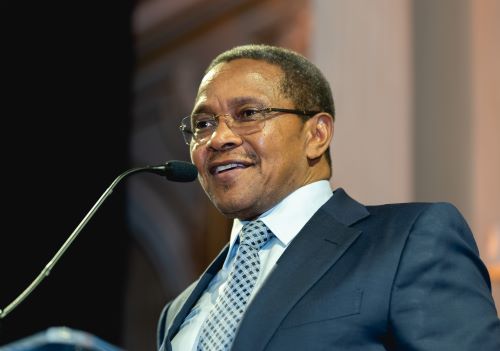
DAR ES SALAAM: THE former Tanzanian president, Jakaya Mrisho Kikwete has called on African countries to prioritise investment in human capital alongside physical infrastructure, saying the continent’s future prosperity will depend on equipping young people with the skills needed to compete in a rapidly evolving global economy.
Speaking during a panel discussion on Africa’s infrastructure development held alongside the Africa50 Annual General Shareholders Meeting and Africa Infrastructure Forum in Dar es Salaam, Dr Kikwete said the continent should not measure its progress solely by the number of roads, ports and power projects it builds.
Instead, he said, infrastructure investments should be assessed by their contribution to improving people’s livelihoods through job creation, business growth, increased investment and stronger, more prosperous communities.
Dr Kikwete said Africa must critically assess whether the infrastructure being developed today is aligned with the demands of tomorrow’s economy, noting that more than 12 million young Africans are expected to enter the labour market every year by 2030.
He added that by 2050, Africa is projected to account for more than a quarter of the world’s working-age population, presenting both enormous opportunities and significant challenges for the continent.
ALSO READ: PPPC stresses human capital investment
According to the former president, the growing youth population could become a powerful driver of economic transformation if supported through quality education, relevant skills development and expanded employment opportunities.
However, he warned that failure to prepare young people adequately could deepen poverty, fuel frustration and undermine social stability across the continent.
Dr Kikwete further stressed that education remains the foundation of sustainable economic development, calling on African governments to ensure that investments in schools, vocational training and skills development go hand in hand with investments in infrastructure.
He said such an approach would enable Africa to build a skilled, innovative and competitive workforce capable of meeting the demands of the global economy while maximising the benefits of infrastructure development.