It’s now a Bongo-flavoured Africa in “Pawa”-like hits
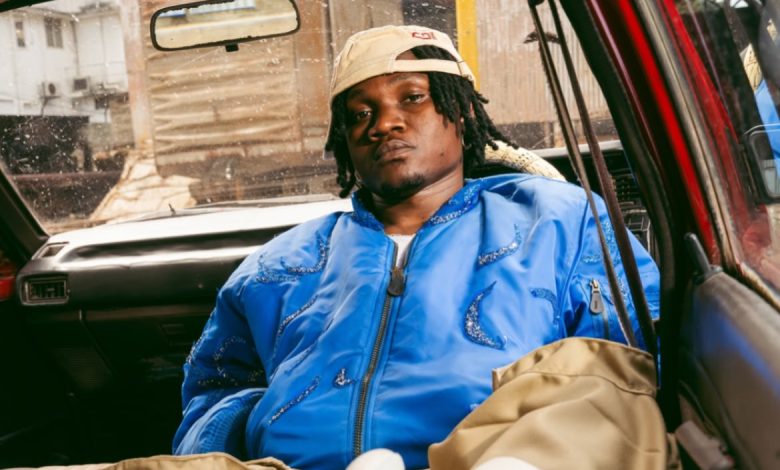
DAR ES SALAAM: IT’S “Pawa IV” by Mbosso featuring Darassa, Billnass, and Gnako that shakes music airwaves in many parts of East Africa this time. This comes after releasing “Pawa II” with Kenyan Bien Baraza and Khaligraph Jones then releasing “Pawa III” with Ben from Rwanda.
Other non-Tanzanian artists who have collaborated with Mbosso include several prominent musicians from across Africa, most notably Mr Flavour (Nigeria) who featured on the song “Baikoko”, Spice Diana (Uganda) who collaborated on tracks from his debut studio album Definition of Love. Nigeria’s Liya featured on his album Definition of Love.
Others are Costa Titch (South Africa) and Alfa Kat (South Africa) – Featured on the single “Shetani”.
Mbosso, who started his music career as one of four members of Yamoto Band between 2013 and 2015, is Pan African artist.
It’s now crystal clear that Bongo Flava is fully armed for global conquest after taking in and out varieties of African beats and its accompanying vocal phraseologies. Tanzania’s new generation music, Bongo Flava, is today at home everywhere beyond Tanzania, Kenya and Uganda.
Bongo Flava has become a Pan-African music culture buoyed by the commendable success of its key players such as Diamond Platnumz, Harmonize, Mbosso, Ally Kiba, Zuchu, Marioo and Ray Vanny, who currently enjoy a huge acceptance outside East Africa.
Still, Diamond remains an inspiration to a wave of highly productive collaborations, having done it with artists from across Africa, the US and beyond.
He performed with Fally Ipupa in “Inama”, “Yope Remix” with Innoss’B before doing “Waah” and “Achi” with Koffi Olomide. From the United States, Diamond collaborated with Ne-Yo (“Marry You”), Rick Ross (“Waka”), Omarion (“African Beauty”), Alicia Keys and Morgan Heritage (“Hallelujah”).
He also collaborated with Nigerians, including Davido (“Number One Remix”), Tiwa Savage (“Fire”), Flavour (“Nana”), P-Square and Adekunle Gold, besides Pitbull, Diljit Dosanjh and Bien-Barza from Kenya. Diamond Platnumz makes 48,000 US dollars from YouTube monthly. He has 7.73 million YouTube subscribers and 2.17 billion total views.
Also, with huge global acceptance is Harmonize who has collaborated with many prominent non-Tanzanian artists from across Africa and the global music scene, including Nigerians: Burna Boy, Yemi Alade, Ruger, Naira Marley and Mr Eazi From Ghana, there is Sarkodie, while Jose Chameleone and Eddy Kenzo are from Uganda.
ALSO READ: See Bongo Flava differently with unimaginable global connection
There are also Awilo Longomba (DR Congo), Focalistic (South Africa), Busiswa (South Africa), Mafikizolo (South Africa), Macky 2 and Roberto (Zambia), Bien Baraza (Kenya) and Abigail Chams From the Caribbean, Harmonize performed with Morgan Heritage (Jamaica/US), Bobby Shmurda (United States) and Spice (Jamaica).
Their collaboration with small and big artists from the globe makes it easier for Bongo Flava artists to cope with sounds or acts that are far different from their home culture, like what is seen in Lollipop, in which Zuchu shrugged off her taarab allegiance to match with Yemi Aladji’s Yoruba-singing style.
Now reaching far outside East Africa, Bongo Flava, through its countless collaborations, looks like a throwback to the “Tam Tam Pour l’Éthiopie” era for its Pan-Africanism.
The collaborations have firmly sealed an East-WestSouth Africa pact in music. Released in 1985, “Tam Tam Pour l’Éthiopie” was a charity song produced in Paris by Cameroonian saxophonist Manu Dibango to raise famine-relief funds for Ethiopia.
The all-star ensemble of African artists who participated on the record included Manu Dibango, who produced it as a musical director, assisted by vocalists Salif Keïta (Mali), King Sunny Adé (Nigeria), Mory Kanté (Guinea), Youssou N’Dour (Senegal) and Hugh Masekela (South Africa).
The list included Ray Lema, Souzy Kasseya, Ballou Canta, Pamelo Mounk’a, Zao from Congo and drummer Tony Allen from Nigeria. It was sad to learn that no East African artist was involved in the “Tam Tam Pour l’Éthiopie” project despite the fact that Ethiopia is located in East Africa.
As Manu Dibango claimed to the global media, “Tam Tam Pour l’Éthiopie” was solely a Francophone initiative to raise funds for famine-hit Ethiopia.
East Africa was represented by Congolese artists: Ray Lema, Souzy Kasseya, Ballou Canta and Zao, who added Kiswahili words to that charity hit. Afrocentric has become the perfect definition of these countless collaborations between East African artists and those from the rest of Africa in terms of vocal, dance and pulsating rhythm.
Manu Dibango, who masterminded “Tam Tam Pour l’Éthiopie” is one of the of the Afrocentric movement, which Tanzanians and the majority of East Africans, embraced in early 1970s under the influence of American pioneers of Soul, Funk and RnB and that is still crystal clear across Africa when artists like Diamond collaborate with artists of Rick Ross or Neyo caliber.
When “Tam Tam Pour l’Éthiopie” was released in the mid-1980s, East Africa was not far from it. Among the notable Afrocentric works sung in the Kiswahili language are ‘‘Dunia Ina Mambo’’ by The Mighty Cavaliers of Kenya, while Tanzanian Balisidya paraded his Afrocentric awareness in ‘‘Uwe Karibu Nami’’ and ‘‘Ukombozi Wa Africa’’ (African Liberation).
Afrocentric music also enjoyed a good spell in Kenya where Slim Ally and his Famous Hodi Boys won the global market in the mid-1970s after releasing ‘’You Can Do It’’, which also earned him a gold disc. Fella Kuti, Osibisa and Manu Dibango will remain the pioneers of the Afrocentric music that the present generation enjoys today.
Tanzanian musician James Mpungo, who led The Sunburst, a band that fused Funky guitar with African folk music, said during his heyday that they took the Afrocentric movement as an anti-rumba campaign.