Improved value chain, digital platform boost Tanzania’s fish exports
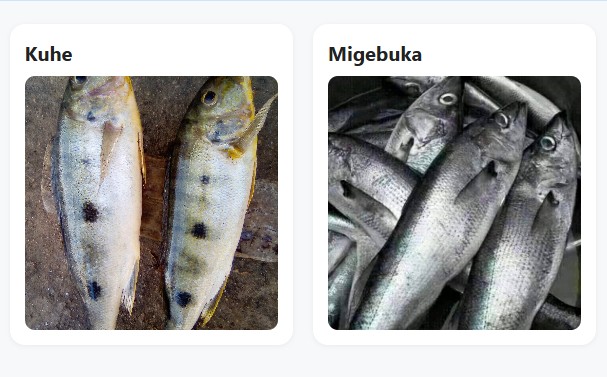
DODOMA: Implementation of the FISH4ACP initiative in Lake Tanganyika has boosted fisheries and aquaculture value chains in western Tanzania by empowering small-scale fishers, processors and traders and linking them to the Digital Marketplace Innovation (Tanfish Market).
The digital platform provides access to both domestic and international markets.
Women beneficiaries showcasing their products at the ongoing National and International Nane Nane Exhibition at the Dr John Samuel Malecela Grounds in Dodoma told reporters that they can now process and package fish products that meet international standards and export them to markets in South Africa, the United States and the Democratic Republic of the Congo (DRC).
The six-year project (2020–2026) is being implemented by the Food and Agriculture Organization (FAO) in collaboration with the Ministry of Livestock and Fisheries under the funds from the European Union and the German Federal Ministry for Economic Cooperation and Development (BMZ).
One of the beneficiaries, Mgeni Edward Lubinsha, a mother of eight from Kabwe Village in Nkasi District, Rukwa Region, said the project has transformed her business after equipping her with modern fish processing skills, improved technology and market linkages.
She said her monthly sales have increased from modest earnings to between 1 million/- and 5 million/-, depending on the size of customer orders.
Now a fishing boat owner and fish processor, Ms Lubinsha professionally packages her products and supplies both domestic and international buyers, including customers in the United States and South Africa.
“Before receiving training under the FISH4ACP project, I bought large quantities of sardines (dagaa), but profit margins were low because of poor processing methods and high post-harvest losses. After FAO’s training, I improved my processing techniques, resulting in better-quality products and higher returns,” she said.
ALSO READ: Tanzania’s fish trade goes digital
Another beneficiary, Amina Kasinge, a fish processor and fishing boat owner from Katavi Region, said that before joining the EU- and BMZ-funded project, she struggled to find reliable markets because of poor fish drying techniques, inadequate processing equipment and high post-harvest losses.
She said her daily income previously ranged between 15,000/- and 20,000/-, but has now increased significantly, with earnings reaching 500,000/- to several million shillings, depending on production and market demand.
“For example, yesterday alone our team processed sardines worth 8 million shillings and made a profit of about 2 million shillings in a single day,” she said, attributing the success to improved processing technologies, better packaging and expanded market access.
Ms Kasinge said the Democratic Republic of Congo, particularly the Kasumbalesa market, has become one of her largest export destinations.
Speaking about the project, Hashim Muumin, a fisheries and aquaculture value chain specialist with the Food and Agriculture Organization (FAO), said post-harvest fish losses stood at about 40 per cent when the project began, rising to as much as 70 per cent during the rainy season.
“We introduced training on improved fish processing, particularly for sardines, which are the dominant catch in Lake Tanganyika. Similar fisheries exist in Lake Victoria and along the Indian Ocean coast, where post-harvest losses have traditionally been very high,” Mr Muumin said.
He said the introduction of ice production facilities under the project has significantly reduced fish spoilage and post-harvest losses.
FAO also developed the Tanfish Market digital platform, initially serving Lake Tanganyika before expanding to Lake Victoria and the Indian Ocean. The platform directly connects fish processors and traders with buyers in regions including Dodoma, Mbeya and Dar es Salaam, as well as international markets.
The platform features a secure payment system in which buyers’ funds are held until products are delivered and verified, thereby reducing transaction risks for both buyers and sellers.
Mr Muumin said more than 500 buyers and sellers have so far been registered on the platform, which was developed in collaboration with the University of Dar es Salaam’s College of Information and Communication Technologies (CoICT) with funding from the European Union and the Government of Germany.