How Zanzibar used World Food Day-2026 to encourage youth to embrace agribusiness
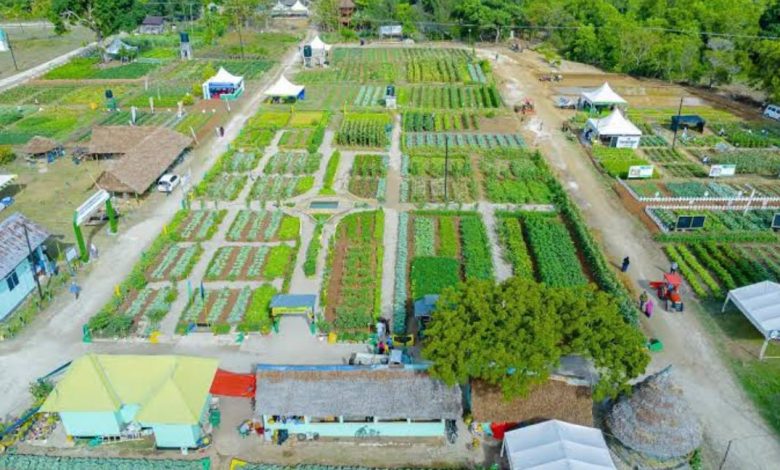
PEMBA: FROM modern farming technologies to agribusiness opportunities, Zanzibar is encouraging young people to embrace agriculture as a source of employment, income and food security, with the World Food Day exhibition in Pemba offered a platform to learn, innovate and explore new markets.
For young people complaining about unemployment, agriculture offers opportunities that remain largely untapped. This was the message delivered during Zanzibar’s 2026 World Food Day celebrations, as government leaders urged youths to look beyond conventional employment and consider farming as a viable business.
Regional Commissioner for North Pemba, Mgeni Khatib Yahya, challenged young people to use the annual World Food Day exhibition to acquire agricultural knowledge, explore business opportunities and develop skills that could help them become self-reliant.
Speaking during the exhibition at Chamanangwe grounds in Wete District, she said the event provided an opportunity for young people to learn about modern agricultural practices, expand productive activities and generate income.
The exhibition, which opened on October 10 and reached its climax on October 16, 2026, brought together farmers, livestock keepers, researchers, traders, investors and other agricultural stakeholders to showcase innovations, exchange experiences and explore ways of improving food production.
Yahya said the government wanted young people to engage in productive and dignified work rather than become involved in drug abuse, theft and activities that could threaten peace and security.
Her message reflected a broader ambition to transform agriculture from a largely traditional activity into a modern, commercially oriented sector capable of creating employment, improving household incomes and strengthening Zanzibar’s food security.
Officially opening the exhibition on behalf of President Hussein Ali Mwinyi, Second Vice-President Dr Hemed Suleiman Abdulla called on farmers and livestock keepers to embrace modern technology and climate-smart agricultural practices to increase productivity and build resilient food systems.
He said the annual exhibition had become an important platform for raising awareness, introducing improved production methods and encouraging farmers to adopt innovations that could make agriculture more productive and profitable.
The 2026 World Food Day theme, “Innovate today. Nourish tomorrow,” highlighted the importance of innovation in developing sustainable food systems and ensuring adequate food supplies for future generations.
Dr Hemed said Zanzibar Development Vision 2050 provided a strategic framework for transforming agriculture from subsistence production into sustainable, climate-resilient commercial farming capable of supplying domestic markets and expanding opportunities for international trade.
To support this transformation, he said the government was rehabilitating irrigation infrastructure in 10 rice-growing valleys across Unguja and Pemba, constructing seed-storage facilities and renovating food warehouses.
The government was also accelerating implementation of the Zanzibar Agricultural Sector Transformation Programme for 2025–2035, which seeks to increase productivity, improve farmers’ incomes and strengthen agriculture’s contribution to economic development.
Minister for Agriculture, Irrigation, Natural Resources and Livestock, Mr Suleiman Massoud Makame said the government was committed to applying scientific knowledge and modern technologies to improve farming and livestock production.
He said research, innovation, better farming practices and expanded market access were essential to developing a productive, inclusive and climate-resilient agricultural sector.
Makame encouraged farmers and livestock keepers to interact with institutions participating in the exhibition, learn from experts and exchange experiences that could improve their production methods and businesses.
A technical report presented on behalf of the ministry’s Permanent Secretary, the liaison officer-Pemba Engineer Idrisa Hassan Abdalla indicated that the government was working to move farmers away from traditional methods towards more productive and commercially oriented agriculture. He said more than 130 institutions participated to display, promote and sell their products.
For young people, such exhibitions can help bridge the gap between agricultural knowledge and entrepreneurship by introducing them to production techniques, processing, marketing and opportunities across the agricultural value chain.
Rather than concentrating solely on growing crops or raising livestock, young entrepreneurs can explore businesses in irrigation services, seed production, food storage, processing, packaging, transportation and the marketing of agricultural products.
These activities can create opportunities for young women and men, including those who may not own large farms but can provide services to farmers and agricultural businesses.
Government-backed agricultural initiatives also provide a foundation for expanding youth participation. Programmes supporting agricultural skills, access to finance, improved inputs and livestock development can help young people overcome some of the barriers to establishing viable enterprises.
However, turning these opportunities into sustainable businesses requires continued investment in training, access to affordable financing, reliable markets, appropriate technology and infrastructure.
The need for modernisation is particularly important in Zanzibar, where limited land resources and exposure to climate-related challenges make efficient production essential. Improved irrigation, climate-smart practices and better storage can help reduce losses, protect farmers’ incomes and ensure a more reliable food supply.
The exhibition’s emphasis on innovation therefore went beyond increasing production. It also highlighted the importance of connecting farmers with markets, encouraging investment and ensuring that agricultural businesses remain profitable and environmentally sustainable.
ALSO READ: Traditional foods shine at World Food Day in Bukoba
As participants toured demonstration plots and exhibition pavilions at Chamanangwe, the event provided an opportunity to observe agricultural and livestock activities and learn about innovations that could be adopted in their own communities.
Ultimately, Zanzibar’s World Food Day message was that agriculture should no longer be viewed merely as a traditional occupation or a last resort for those without formal employment. With the right knowledge, technology, investment and business mindset, it can become a pathway to decent work, entrepreneurship and economic independence.
For the islands, encouraging young people to take up modern agriculture is also an investment in food security, climate resilience and longterm development.
The challenge now is to ensure that the lessons and opportunities presented during the exhibition translate into practical action, enabling more young people to build successful agricultural businesses while contributing to a more secure and prosperous Zanzibar.