How green tech is redefining Tanzania’s essential services

KIGOMA: IN the remote corridors of the Serengeti and the bustling wards of rural health centres in Kigoma, a quiet but profound transformation is unfolding. No longer tethered solely to the reach of the national grid or the volatile logistics of diesel supply, Tanzania’s essential service sectors are embracing a new era of energy and water sovereignty.
Renewable energy and decentralised water infrastructure are steadily reshaping operations across hospitals, hospitality facilities and rural communities.
As the nation marches toward its mid-term development goals, analysts observe that the ongoing energy transition is increasingly defined by off-grid resilience, a model where service continuity is guaranteed by design, rather than by geographical luck. For a surgeon in a remote district, grid variability isn’t a technical term; it is a life-ordeath variable.
In areas where uninterrupted power is the difference between a successful procedure and a medical crisis, off-grid solar systems are being embedded into long-term planning as core infrastructure.
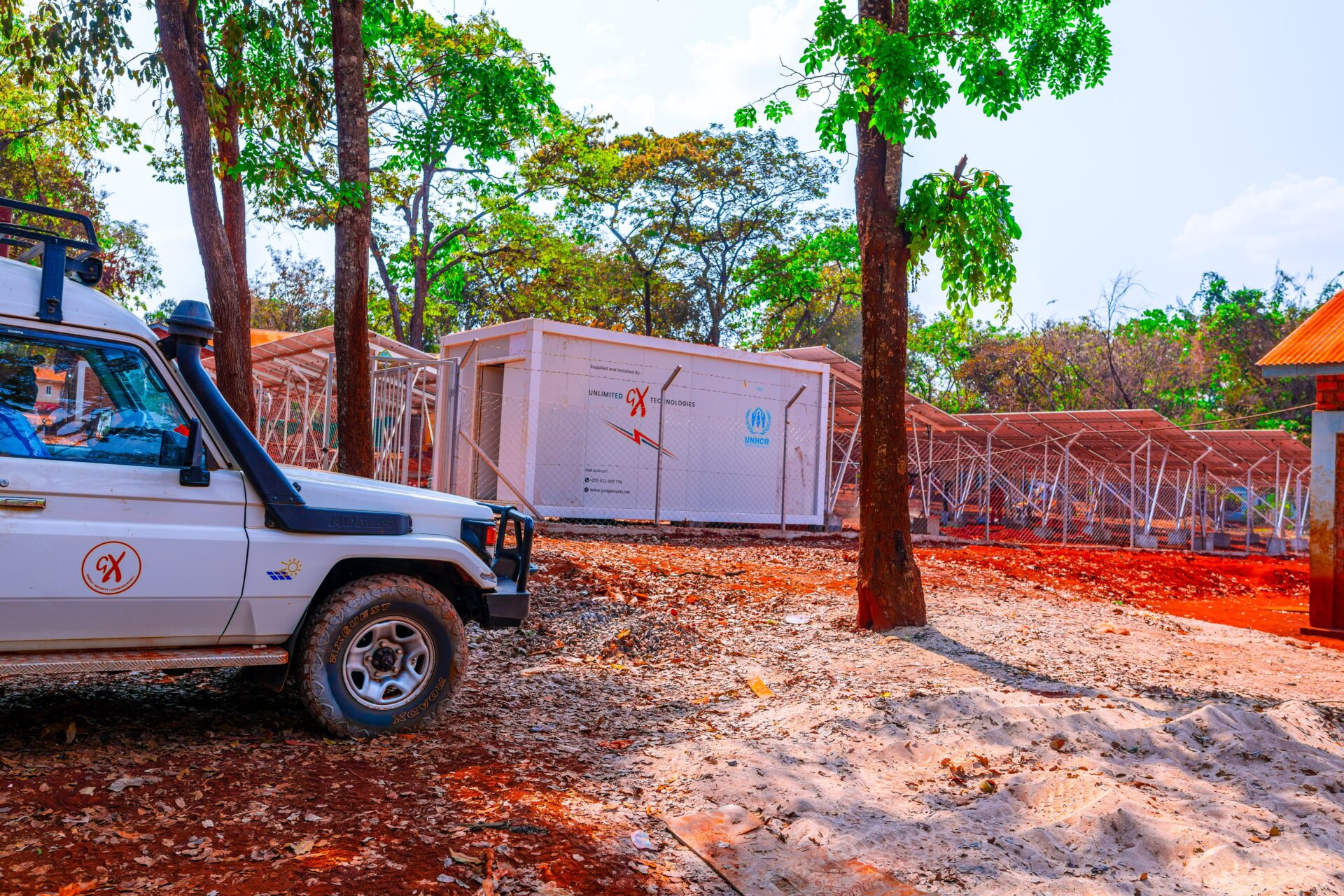
Among the pioneers of this shift is Gadge tronix. Their 2025 portfolio reflects a strategic pivot toward mission-critical solarisation. Following a rigorous regional tender, the firm was tasked with the design, installation, and maintenance of off-grid solar photovoltaic (PV) systems for 17 health facilities serving the Nyarugusu and Nduta refugee camps, alongside host communities in Kasulu and Kibondo Districts.
The technical challenge of these sites remote, geographically dispersed, and logistically demanding required an innovative approach.
The solution lay in containerised plug-and-play solar units. These pre-engineered systems allow for rapid deployment, slashing construction timelines while ensuring that surgical equipment, laboratory diagnostics and vaccine refrigeration remain powered 24/7.
ALSO READ: The Economist got Tanzania wrong on President Samia Suluhu Hassan — Here is Why
“When a surgeon steps into the theatre, the equipment must function. When vaccines are stored, the cold chain must hold,” says Hasnain Sajan, Founder and CEO of Gadgetronix. This philosophy marks a broader transition, moving away from diesel backup (which is reactive) toward engineered resilience (which is proactive). The transformation extends to the Isles, where the Blue Economy is being bolstered by green tech.
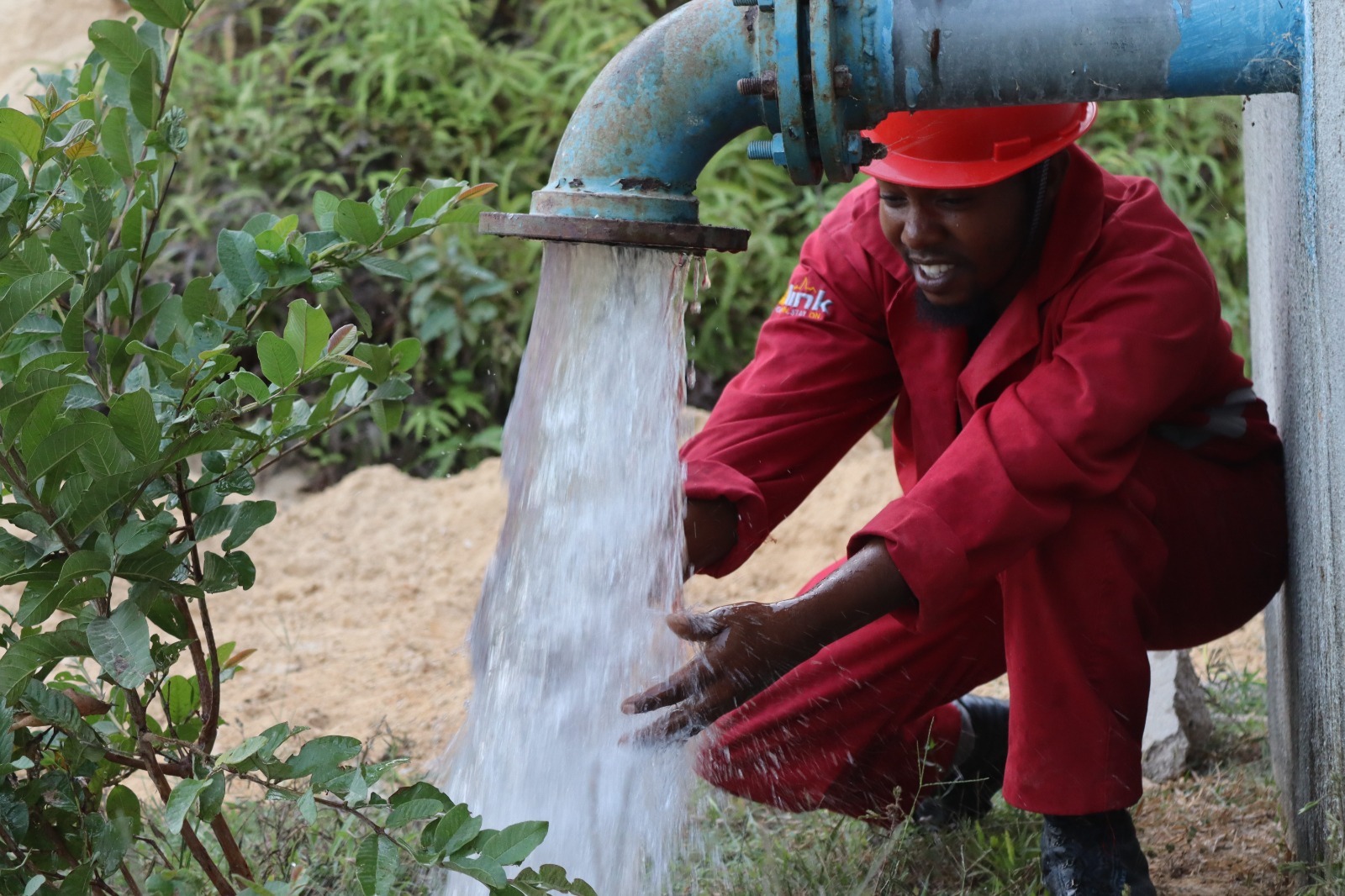
In Zanzibar, the traditional reliance on diesel-driven pumping systems for boreholes is being phased out. At sites in Kizimbani and Weni, the conversion to solarpowered operations has stabilised the daily water supply while purging the heavy burden of recurring fuel costs. The data is telling.
Estimates indicate that this transition has eliminated more than 33,000 litres of annual diesel consumption in these areas alone. This isn’t just an environmental victory; it is a fiscal one. By removing the ‘diesel tax’ from water production, these utilities become more self-sustaining.
On Pemba Island, this momentum continues. Under a European Union-funded resilience programme implemented by Oikos East Africa, five major water pumping schemes in Wete and Micheweni are undergoing solar integration.
These systems are designed to withstand the harsh saline environments of the coast, proving that renewable infrastructure is now durable enough to serve as a long-term investment rather than a temporary stopgap. Nationwide, the scale of deployment is staggering: Over 600 solar water pumps and 400 solar water dispensing units are now operational across agricultural projects and public institutions.
However, the true disruptor in rural water management is the integration of digital payment platforms. In partnership with the Tanzania Investment Bank (TIB) and World Bank-supported programmes, solarpowered ‘smart’ dispensing units have been deployed across Mtwara, Tabora and Shinyanga.
Under this model, residents access clean water via mobile money payments. This hybrid model addresses three historical bottlenecks in rural water delivery by integrating technical and financial innovation into a single framework.
First, reliability is secured through solar power, which ensures a consistent water flow even during grid fluctuations or total failure.
Second, the system enhances accountability by utilising digital transactions, effectively eliminating the security and transparency risks traditionally associated with physical cash handling.
Finally, the model fosters long-term sustainability as the revenue generated through these digital payments creates a dedicated maintenance fund, ensuring that infrastructure remains operational and avoids the cycle of disrepair that has historically plagued donor funded projects.
Beyond the social sector, the Northern Circuit tourism corridor encompassing the Serengeti, Ngorongoro, Tarangire and Lake Manyara is setting global standards for sustainable luxury. In these protected areas, energy reliability directly influences the guest experience. Hybrid and off-grid solar systems are now the standard for high-end lodges.
However, operating in a national park brings unique challenges, from strict environmental regulations to the logistical nightmare of transporting heavy batteries across rugged terrain.
ALSO READ: Poor, aging infrastructure hit Kenya’s tourism sector
Technical teams are now permanently stationed within the Serengeti and Ngorongoro regions to provide rapid response maintenance, ensuring that the transition to green energy never results in a blackout for the tourism economy.
The geographic spread of these deployments, from the coastal reaches of Pemba to the inland plains of Shinyanga, signals that decentralised systems have moved past the pilot phase. They are now becoming embedded within Tanzania’s broader service delivery framework.
Infrastructure planners are no longer asking if renewable energy should be used, but how fast it can be scaled. As diesel logistics grow increasingly costly and the climate becomes more unpredictable, these solarised hubs of health, water and hospitality are standing as the new foundations of a resilient nation.
The next phase of growth will not just depend on how many panels are installed, but on the sustained operational reliability and the data-driven maintenance frameworks that keep them running. For Tanzania, the sun isn’t just a resource; it’s becoming the primary engine of rural development.