How electricity powers women in remote areas
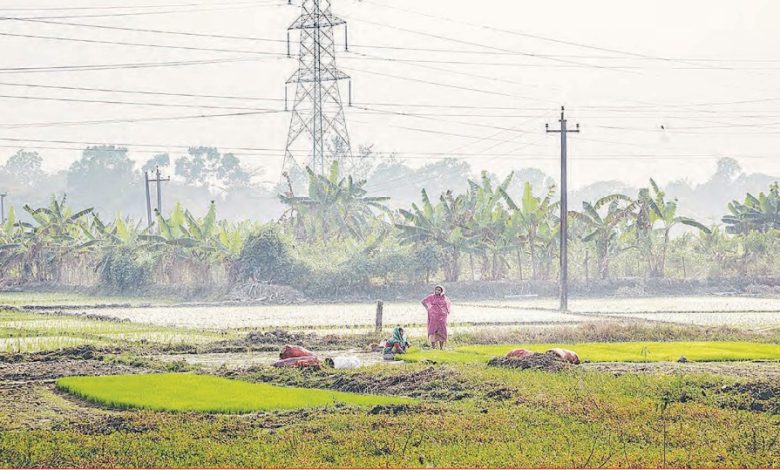
TANZANIA has reached a historic milestone in rural electrification under the leadership of President Samia Suluhu Hassan, marking a major step toward national development and social transformation.
As of December 2024, all villages across the country have been connected to electricity, a goal long pursued by the government through the Rural Energy Agency (REA).
This achievement is the result of deliberate efforts by the Government of the United Republic of Tanzania, which had committed to ensuring that by the year 2025, every village in the country would have access to electricity.
Launched in 2007, REA was designed as a strategic initiative to address challenges in energy investment and infrastructure, particularly in remote areas where private investors had little incentive to operate.
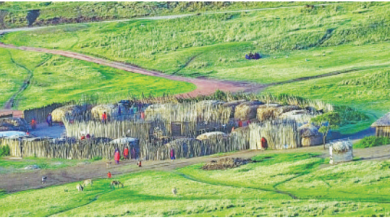
The results are evident: remote communities now benefit from reliable power, which has brought about a visible transformation in local economies, social services and quality of life. Villages once dependent on kerosene lamps and charcoal stoves now have access to clean and stable electricity.
REA’s Director of Rural Electrification Services, Engineer Jonas Olotu, explained that the availability of electricity has greatly enhanced various economic activities.
“Electricity in rural areas has boosted production and supported development across sectors, from agriculture to mining, education to healthcare,” Olotu said.
ALSO READ: TGGA urges greater support for girls in STEM
One of the notable beneficiaries of rural electrification is the mining sector. John Denis, a small-scale mine owner, said the change has been revolutionary.
“Since the arrival of REA electricity, our operations have become more efficient. We now work longer hours and have significantly reduced operational costs. This has allowed us to start seeing real profits,” he said.
Business owners have also seen improvements. Alex Mkage, a shopkeeper, noted that extended business hours are now possible thanks to lighting.
“With REA electricity, we can operate even at night and this has increased our income. More people are engaging in economic activities now,” Mkage said.
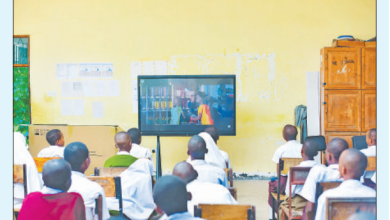
Beyond the economic impact, the arrival of electricity has transformed social services. Villages that, since independence, had never experienced clean piped water now benefit from improved water infrastructure powered by electricity. Similarly, schools and health centres have seen major upgrades in service delivery.
Women in particular have seen tangible benefits. Historically, rural women bore the brunt of energy poverty, which limited their participation in economic activities.
Today, they are active contributors to rural development, thanks to electricity. Upendo Mbilinyi, a community member, said the REA project had been received with open arms.
“We are seeing real results. It has helped us reduce operational costs in many of our daily activities. We now have hope and new opportunities,” she said.
In addition to expanding the national grid, the government has introduced complementary initiatives aimed at promoting the use of clean cooking energy, reflecting its broader development agenda.
According to Engineer Advera Mwijage, Director of Renewable and Alternative from REA, stipulated that multiple projects are being implemented with both government funds and support from development partners.
ALSO READ: Southern Europe swelters as heatwave spreads
Among these is the natural gas distribution project in the Lindi and Coast regions. Implemented jointly by REA and the Tanzania Petroleum Development Corporation (TPDC), this project aims to supply gas to at least 980 customers at a cost of 6.82 bn/- It is seen as a model for other regions. Another major initiative is the production of alternative charcoal using coal instead of cutting down trees.
This sustainable energy solution is being spearheaded by REA in collaboration with STAMICO, the State Mining Corporation.
“With the availability of coal in Tanzania, we are producing an eco-friendly charcoal alternative to reduce deforestation,” Mwijage said.
Furthermore, the government is working to distribute improved cookstoves through a World Bank-funded programme valued at approximately 14 bn/-.
The project aims to supply at least 200,000 stoves to both urban and rural households. These stoves are sold at subsidised prices, ranging from 7,000 to 22,000 thousand depending on the type.
REA is also rolling out a project to distribute sixkilogram LPG gas cylinders at highly subsidised prices between 17,500 and 21,000 thousand targeting widespread adoption of clean cooking methods across the country.
This initiative is expected to cost around 8.6 bn/-. These efforts reflect a holistic approach to energy access, one that goes beyond lighting homes to empowering entire communities economically and socially. From creating job opportunities to improving education and healthcare outcomes, the electrification of rural Tanzania is a testament to what focused leadership and inclusive policies can achieve.
Tanzania stands as a regional model for rural energy transformation. With electricity now available in every village and significant strides being made in clean cooking technologies, President Samia’s administration has not only met but in many ways surpassed expectations, laying a strong foundation for sustainable national growth.