How Dental Management Programs Help Reduce No-Shows
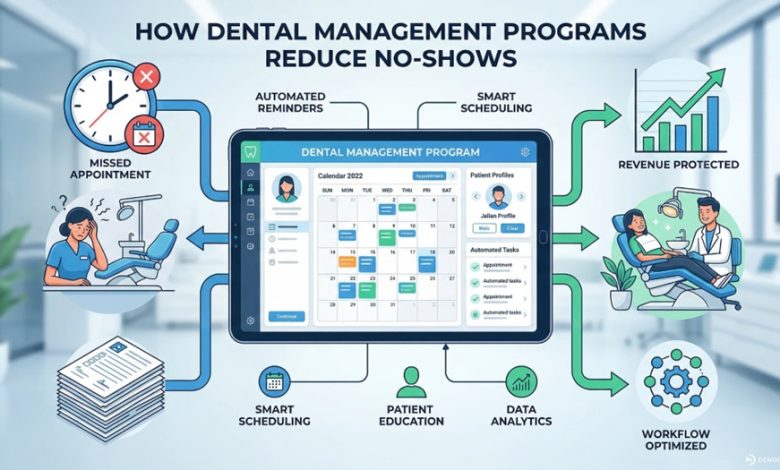
MISSED appointments are one of the most common problems in dental practice management. They break the daily workflow, waste staff time, and reduce income. Modern dental management programs change this situation by creating clear communication, smart scheduling, and automated patient support. These systems use software tools, data analysis, and patient-centered design to help clinics reduce no shows and keep schedules stable.
According to clinical teaching principles, patient understanding and clear guidance improve medical outcomes. The same logic applies to dental care: when patients know what will happen and when, they are more likely to attend. Dental programs support this with reminders, education, and easy rescheduling options.
Why Communication Gaps Happen
Most patients do not miss visits on purpose. Problems usually appear because of weak communication and unclear processes. Common reasons include:
- Patients forget the date or time of the visit.
- They do not receive a reminder or miss the message.
- They misunderstand preparation steps for treatment.
- They feel nervous and avoid calling the clinic.
- They do not know how to change the appointment.
When clinics depend only on phone calls or printed notes, patients fall out of the system. Dental management software creates an automated communication flow using text messages, emails, and patient portals. This helps patients stay informed and lowers the risk of missed visits.
Tips to Reduce Appointment No-Shows and Cancellations
Once a clinic understands why patients cancel or skip visits, it can apply targeted solutions. Dental management programs support these actions through built-in tools and automation.
1. Improve Appointment Scheduling
Better scheduling is the first step to reduce no shows. Clinics should:
- Offer flexible hours, such as early mornings or evenings.
- Give clear time estimates for long procedures.
- Ask for confirmation immediately after booking.
Online scheduling portals allow patients to choose times that match their daily routine. This increases commitment and reduces last-minute changes.
2. Use Smart Reminder Systems
Automated reminders are one of the most effective tools to lower missed visits. Key features include:
- Automatic texts, emails, or voice calls.
- Multiple reminders (one week, one day, and one hour before).
- Personalized messages with patient name and visit type.
Text reminders that ask for confirmation work especially well. They create a small action that makes patients mentally commit to the visit.
3. Focus on Pre-Appointment Education
Patients are more likely to attend when they understand why treatment matters. Clinics should:
- Explain how oral health connects to general health.
- Describe what will happen during the visit.
- Invite questions before the appointment.
Educational messages can be added to reminders. This supports better preparation and lowers fear caused by uncertainty.
4. Improve the Patient Experience
Comfort and respect help patients value their appointments. Dental management programs support this by:
- Reducing waiting time through better planning.
- Offering digital forms instead of paper.
- Providing fast check-in with patient portals.
If delays happen, staff should apologize and explain the reason. Small gestures build trust and make patients more loyal to the clinic.
5. Offer Motivation and Rewards
Simple reward programs increase attendance. Examples include:
- Discounts after several kept visits.
- Free hygiene tools such as toothbrushes.
- Seasonal promotions for loyal patients.
These systems turn appointment attendance into a positive habit.
6. Provide Clear Financial Communication
Money is a major reason for cancellations. Clinics should:
- Explain insurance coverage in advance.
- Show estimated treatment costs clearly.
- Offer digital payment and financing options.
When patients know the price and options, they are less likely to cancel out of fear.
7. Address Dental Anxiety
Fear is common in dentistry. Programs help reduce it by:
- Sending videos or messages that explain procedures.
- Offering relaxation advice before visits.
- Allowing easy contact with staff through chat or portal.
When anxiety drops, attendance rises.
8. Communicate a Clear Cancellation Policy
Patients respect rules when they are clear. Clinics should:
- Show the policy on websites and in emails.
- Ask patients to confirm they understand it.
- Apply rules fairly and politely.
This builds structure without harming relationships.
9. Follow Up on Missed Appointments
After a missed visit, clinics should:
- Contact the patient quickly.
- Ask for the reason.
- Offer a new time without pressure.
This shows care and keeps the patient in the system.
10. Use Data to Improve Strategy
Dental programs track behavior and patterns. Clinics can:
- Identify frequent no-show patients.
- Adjust their booking times.
- Plan double-booking carefully.
Data-driven planning increases efficiency and keeps chairs filled.
Staff Training Tips for Managing Last-Minute Cancellations
Staff play a key role in attendance control. Training should focus on clear rules and calm communication. Clinics should implement structured steps for last-minute changes:
- Teach staff to listen and show empathy.
- Provide scripts for rescheduling calls.
- Encourage use of patient portals for fast updates.
Education must also explain the real impact of missed visits:
- Revenue loss: each missed visit removes income.
- Wasted resources: staff and rooms stay unused.
- Care disruption: delayed treatment worsens health.
- Schedule chaos: repeated changes reduce daily efficiency.
Medical procedure manuals by Tapia Jurado highlight that stable processes improve safety. Dental offices follow the same principle. When staff understand the system effect, they communicate more clearly with patients and protect clinic performance.
Effective Scheduling Strategies to Reduce Cancellations and No-Shows
Strong scheduling systems support stable daily operations.
Build Strong Patient Relationships
Trust lowers cancellation risk. Front desk teams should:
- Use patient names.
- Remember past treatments.
- Ask about comfort and concerns.
Personal contact creates accountability.
Implement Confirmation and Reminder Chains
A good system includes:
- Booking confirmation message.
- Reminder one week before.
- Final reminder 24 hours before.
Asking patients to reply “Yes” increases attendance.
Offer Flexible Appointment Times
Staff should ask:
- “What time works best for you?”
- “Do you prefer morning or evening?”
Flexible options lower future conflicts.
Keep a Short-Notice List
When cancellations happen:
- Contact patients who want earlier times.
- Fill gaps quickly.
- Keep schedules full.
Apply a Fair Missed Appointment Policy
Rules should be:
- Explained calmly.
This balances discipline and care.
How AI and Automation Can Help Reduce No Shows
AI and automation improve appointment control through prediction and personalization. Scheduling software analyzes past behavior, visit history, and peak hours. Systems can flag patients with a history of missed visits and request extra confirmation.
Automated reminders arrive at the best time based on patient habits. AI chatbots answer common questions, help reschedule, and reduce phone workload. This creates continuous communication without extra staff effort and supports clinics that aim to reduce no shows with technology.
FAQ
How do dental management programs reduce missed visits?
They automate reminders, simplify scheduling, and give patients easy ways to confirm or reschedule.
Are reminder texts really effective?
Yes. Text messages are opened faster than emails and create a quick response action.
Can small clinics use this software?
Yes. Programs scale for clinics of all sizes and reduce staff workload.
Do these systems help with patient anxiety?
Yes. Educational messages and clear preparation steps lower fear and confusion.
Is data tracking safe for patients?
Modern systems follow privacy rules and protect medical information.
Conclusion
Dental software changes how clinics manage time and patients. It improves communication, supports planning, and protects income. By using smart programs and automation, clinics can reduce no shows, improve care quality, and build long-term trust with patients.