How citizen-centred diplomacy is strengthening Tanzania–Mozambique ties

TANZANIA: DIPLOMACY has changed significantly over the past decade, with diplomatic missions increasingly expected to deliver more than traditional political representation. While political engagement remains central to relations between states, missions are also playing a growing role in promoting investment and tourism, communicating national priorities, strengthening institutional partnerships, embracing technology and providing services to citizens abroad.
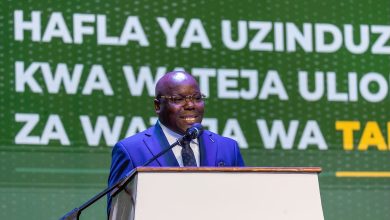
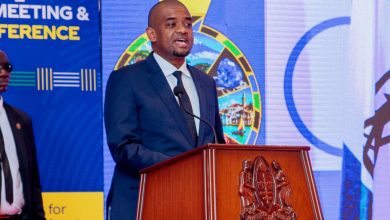
In the sixth part of this Daily News Diplomatic Bench Interview series, Tanzania’s High Commissioner to Mozambique, CP Hamad Khamis, explains how the mission in Maputo has expanded its work beyond government-togovernment relations to include public diplomacy, digital engagement, academic cooperation, cultural exchanges and citizen-centred services. High Commissioner CP Khamis says the shift reflects Tanzania’s broader foreign policy goal of ensuring that diplomacy contributes to national development, while strengthening bilateral cooperation and delivering tangible outcomes.
According to the diplomat, modern diplomacy succeeds when it reaches beyond official corridors to engage investors, universities, media institutions, entrepreneurs, development partners and ordinary citizens. Among the areas receiving increased attention is public diplomacy, which CP Khamis describes as one of the mission’s most effective tools for strengthening bilateral relations and enhancing Tanzania’s international profile.
Rather than relying exclusively on formal diplomatic engagements, the High Commission has adopted a communication strategy that combines high-level political engagement with wider public outreach targeting different segments of Mozambican society.
“Public diplomacy has become one of the High Commission’s most effective instruments for strengthening bilateral relations and promoting Tanzania’s national image. The High Commission’s communication strategy combines high-level engagement with strategic outreach through trade fairs, investment forums, conferences, academic partnerships, cultural diplomacy and media engagement,” CP Khamis said.
According to him, every engagement provides an opportunity to present Tanzania as a peaceful, stable and attractive destination for investment, tourism and business while reinforcing the strong bilateral relations between the two neighbouring countries.
Between June 2025 and June 2026, the High Commissioner granted three interviews to Televisão de Moçambique (TVM) and Radio Moçambique, discussing Tanzania’s investment opportunities, tourism potential, bilateral cooperation and regional integration agenda.
These engagements, he says, have helped broaden awareness among Mozambican audiences while complementing the High Commission’s wider economic diplomacy agenda.
Instead of simply reporting diplomatic activities, the mission seeks to communicate Tanzania’s broader development agenda to policymakers, investors, academics and the general public.
CP Khamis says effective communication has become an increasingly important diplomatic asset because perceptions can influence investment decisions, tourism flows and broader economic cooperation.
Beyond media engagement, the High Commission has also invested in academic diplomacy as a means of building sustainable institutional relationships.
One of the mission’s notable achievements has been facilitating cooperation between the University of Dar es Salaam and Eduardo Mondlane University.
According to the diplomat, the partnership goes beyond academic exchanges by creating opportunities for collaborative research, staff mobility, student exchanges and long-term institutional cooperation.
These initiatives, he says, contribute to knowledge sharing and innovation while strengthening people-to-people relations between Tanzania and Mozambique.
Unlike commercial partnerships, whose outcomes are often measured through investment or trade, academic cooperation creates relationships capable of generating long-term benefits through research collaboration, professional development and educational exchange.
CP Khamis says universities have become important diplomatic partners capable of supporting national development while fostering mutual understanding between neighbouring countries.
Kiswahili as a diplomatic asset
Language and culture have equally become powerful instruments of Tanzania’s diplomacy in Mozambique. The High Commission is working towards establishing a Tanzania Cultural Centre in Maputo to promote Tanzania’s cultural heritage while serving as a centre for Kiswahili language instruction and cultural exchange.
CP Khamis believes culture provides another avenue through which countries strengthen friendship beyond official political engagement.
One of the High Commission’s successful initiatives has been the introduction of a free Kiswahili language programme for staff of Televisão de Moçambique.
The programme is delivered by High Commission officers certified by the Baraza la Kiswahili la Taifa (BAKITA).
According to CP Khamis, the initiative extends beyond language instruction. It promotes Kiswahili as a language of African unity while strengthening cultural understanding and people-to-people relations between Tanzania and Mozambique.
The High Commission has also partnered with TVM to commemorate World Kiswahili Language Day, further reinforcing cultural cooperation between the two countries.
These initiatives, he says, demonstrate that diplomacy is no longer confined to official negotiations. Instead, language, education and culture have become effective diplomatic instruments capable of strengthening long-term bilateral relations.
The programmes have enhanced Tanzania’s visibility while reinforcing its reputation as a trusted regional partner, says the envoy. Alongside public diplomacy, technology has become an increasingly important component of the High Commission’s work.
According to CP Khamis, digital diplomacy is transforming the way diplomatic missions communicate with governments, investors, development partners and citizens.
Rather than viewing technology simply as a communication tool, the High Commission regards digital platforms as an essential component of contemporary diplomacy.
“Digital diplomacy has become an indispensable component of contemporary foreign policy and an essential tool for improving communication, stakeholder engagement and service delivery.
The High Commission maintains an official website and utilises digital communication platforms to disseminate timely information on bilateral relations, investment opportunities, tourism promotion, official engagements and consular services,” he said.
Beyond its official website, the mission increasingly relies on virtual meetings, online consultations and digital communication platforms to engage government institutions, investors, private sector organisations, development partners and Tanzanian citizens residing in Mozambique.
CP Khamis believes digital engagement enables diplomatic missions to communicate more efficiently while expanding their reach beyond traditional diplomatic audiences.
He says the High Commission intends to strengthen its digital presence further by expanding virtual stakeholder engagement and embracing emerging technologies that improve investment promotion, public communication and citizen-centred diplomacy.
Digital transformation has also strengthened the High Commission’s ability to support Tanzanian citizens. Although Tanzania’s visa application system is managed centrally through digital platforms, the mission continues to play an important facilitation role by assisting applicants facing administrative or technical challenges. On average, approximately 40 applicants receive such assistance annually.
The High Commission works closely with relevant authorities to ensure application-related challenges are resolved promptly. Under normal circumstances, visa applications are processed within approximately one week, although applications requiring additional security clearance or specialised assessment may take up to 60 days.
While passport issuance remains centralised, the High Commission continues to provide technical and administrative support whenever Tanzanian citizens require assistance. CP Khamis stresses that citizen-centred diplomacy means ensuring technological advancement improves efficiency without reducing access to personalised assistance.
He believes modern diplomatic missions must continue balancing innovation with responsive public service, ensuring that citizens remain at the centre of diplomatic engagement.
While public diplomacy and digital engagement have become increasingly visible aspects of the High Commission’s work, the diplomat argues that modern diplomacy achieves its greatest impact when it brings together governments, businesses, academic institutions and communities in pursuit of common development objectives.
According to him, diplomacy today depends on partnerships that extend well beyond traditional government institutions.
He says the High Commission has deliberately adopted a multistakeholder approach to advancing Tanzania’s interests in Mozambique, recognising that sustainable bilateral cooperation requires the active participation of universities, research institutions, chambers of commerce, entrepreneurs, cultural organisations and civil society.
“Recognising that modern diplomacy increasingly depends on partnerships beyond government, the High Commission has adopted a multi-stakeholder approach to advancing Tanzania’s interests in Mozambique.
The High Commission actively promotes collaboration with universities, research institutions, chambers of commerce, professional associations, youth entrepreneurs, women’s groups and cultural organisations to strengthen bilateral cooperation and expand Tanzania’s influence,” he said.
According to the High Commissioner, this broader engagement enables the mission to cultivate long-term networks that complement official diplomatic relations while creating opportunities in education, innovation, entrepreneurship and investment.
He says one notable achievement has been the continued implementation of institutional partnerships that encourage closer cooperation between the private sectors of the two countries.
“The High Commission also supports implementation of the 2019 Memorandum of Understanding between the Tanzania and Mozambique Chambers of Commerce, which has strengthened business networking and private sector collaboration,” CP Khamis explains.
The High Commission has also encouraged the participation of small and medium-sized enterprises in regional business platforms. During the Seventh Feira de Negócios e Agronegócios (FENA) in Nampula Province, the mission facilitated the participation of the Pamoja Entrepreneurs CrossBorder Group, providing entrepreneurs with opportunities to establish new commercial networks and explore investment prospects across the border.
According to CP Khamis, such initiatives demonstrate the High Commission’s commitment to ensuring that the benefits of economic diplomacy extend beyond large corporations to include emerging entrepreneurs and smaller businesses seeking access to regional markets.
As the High Commission expanded its external engagement, it also introduced internal reforms aimed at strengthening efficiency, accountability and institutional performance.
CP Khamis says effective diplomacy requires strong internal systems capable of supporting increasingly complex diplomatic responsibilities. One important reform involved the introduction of Standard Operating Procedures (SOPs) for procurement management.
“To enhance financial management and procurement efficiency, the High Commission developed and implemented Standard Operating Procedures (SOPs) for procurement management.
These procedures have strengthened compliance with public procurement regulations, improved internal controls and streamlined procurement processes,” the envoy says.
Beyond strengthening internal governance, the High Commission established a Trade and Investment Facilitation Desk to serve as a dedicated focal point for investors, traders and business stakeholders. According to CP Khamis, the desk receives investment enquiries, connects prospective investors with relevant Tanzanian institutions, identifies commercial opportunities and coordinates follow-up to ensure promising investment leads are actively pursued.
Complementing this initiative is the establishment of an Economic Intelligence Desk, designed to strengthen evidence-based decision-making. “The Desk generates timely market intelligence and strategic analysis to support evidencebased decision-making by the High Commission, the Ministry of Foreign Affairs and East African Cooperation and other relevant Government institutions,” he says.
The desk monitors economic developments, investment trends, policy changes and emerging business opportunities in Mozambique, enabling the High Commission to provide more timely strategic advice to government institutions and investors.
The mission has also established a comprehensive database covering bilateral agreements and Memoranda of Understanding signed between Tanzania and Mozambique.
According to the High Commissioner, a structured review mechanism now monitors implementation, identifies emerging challenges and provides policy advice to facilitate the effective implementation of bilateral commitments.
Internally, the mission has strengthened institutional learning through a knowledge-sharing programme in which the Head of Mission and officers regularly conduct professional development sessions and presentations.
The envoy says the initiative promotes continuous learning while strengthening institutional memory and teamwork within the mission. Humanitarian diplomacy reinforces solidarity Beyond promoting trade and investment, the High Commission has also played an important role in humanitarian diplomacy.
Following devastating floods in Mozambique, the mission coordinated the delivery of 500 metric tonnes of maize donated by the Government of the United Republic of Tanzania to the Government of Mozambique.
According to CP Khamis, the mission coordinated the planning, logistical arrangements and diplomatic processes that culminated in the official handover of the assistance in Maputo by the Minister for Foreign Affairs and East African Cooperation, Hon. Mahmoud Thabit Kombo, on 24 March 2026.
“The High Commission has also demonstrated its effectiveness in advancing humanitarian diplomacy. Following the devastating floods that affected Mozambique, the High Commission successfully coordinated the provision of 500 metric tonnes of maize from the Government of the United Republic of Tanzania to the Government of the Republic of Mozambique,” he said.
CP Khamis says the exercise reflected Tanzania’s longstanding friendship and solidarity with Mozambique while illustrating that diplomatic missions contribute not only to economic cooperation but also to humanitarian assistance during times of crisis.
While diplomatic priorities continue to expand, CP Khamis insists that citizens remain at the centre of the High Commission’s work. According to him, the mission continues encouraging Tanzanians living in Mozambique to register with the High Commission, enabling better communication, timely consular assistance and coordinated emergency response whenever necessary.
Between June 2025 and June 2026, the High Commission organised four diaspora meetings in Maputo, Niassa, Nampula and Cabo Delgado. These meetings provided opportunities to discuss investment opportunities, consular services, community welfare and national development priorities while strengthening collaboration between the mission and Tanzanian communities.
The mission also continues facilitating the issuance of Emergency Travel Documents to Tanzanian nationals requiring urgent travel assistance. “Although passport and visa processing is managed through Tanzania’s centralised digital systems, the High Commission has strengthened its facilitation role by providing timely assistance to applicants experiencing technical or administrative challenges and ensuring the prompt issuance of Emergency Travel Documents for Tanzanian nationals requiring urgent travel,” he said.
According to the High Commissioner, such services reinforce public confidence in diplomatic institutions while ensuring Tanzanians abroad receive practical assistance whenever required. Reflecting on the High Commission’s broader approach, CP Khamis believes diplomacy has evolved into a profession that increasingly connects governments with wider society.
ALSO READ: How shared heritage is shaping Tanzania–Mozambique ties
Media engagement, academic cooperation, cultural diplomacy, digital innovation, humanitarian assistance and responsive consular services have become complementary pillars supporting Tanzania’s foreign policy objectives in Mozambique.
For him, successful diplomacy is measured not simply by official engagements but by its ability to improve communication, strengthen partnerships and deliver practical benefits to people.
“Collectively, these partnerships have broadened the High Commission’s engagement beyond traditional diplomatic channels and strengthened Tanzania’s influence through education, culture, entrepreneurship and private sector cooperation,” CP Khamis said.
He believes that as diplomacy continues to evolve, missions must remain responsive to changing global realities while preserving the values of cooperation, friendship and mutual respect that have long characterised relations between Tanzania and Mozambique.
Ultimately, the High Commission’s objective is to ensure that Tanzania’s diplomacy extends beyond official protocol to create meaningful partnerships, strengthen institutional cooperation and improve the lives of citizens in both countries through practical, people-centred engagement.