Healing after unrest: Why dialogue matters for Tanzania’s future
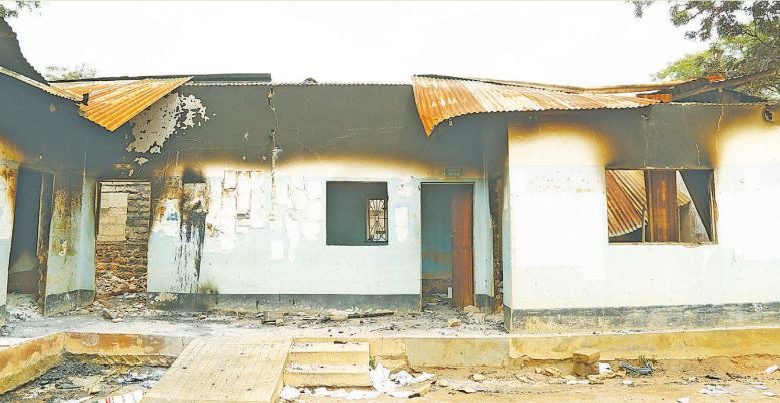
DAR ES SALAAM: THE unrest of October 29 left many Tanzanians unsettled, exposing longstanding political grievances while drawing renewed attention to the importance of national cohesion.
In the days that followed, analysts, human rights advocates and ordinary citizens reflected on the need for inclusive dialogue, accountability and responsible leadership as foundations for restoring trust and preventing future tensions.
Assistant Lecturer at Dar es Salaam Tumaini University (DarTU), Rachel Yusuph, urged political parties to recognise that the stability of the nation is a shared responsibility.
“Tanzania is our country and every citizen has a role in protecting its peace for the common good. Without peace, no political party can govern effectively,” she said.
Ms Yusuph called for institutionalised dialogue during periods of political tension, warning against deliberate actions that could cause unrest, such as pursuing activities outside the law.
She also emphasised the need for leaders to avoid spreading misinformation, disinformation, or malinformation, which can inflame tensions. Political parties, she said, must operate transparently, ensuring that internal procedures are agreed upon by all members.
“The country should listen to all perspectives because some young people believe everything they see online is true,” Ms Yusuph said.
She added, “Equipping young people with the skills to analyse information responsibly is crucial for the health of our democracy,” She also highlighted the importance of media literacy, noting that citizen journalists need guidance to verify information and understand the impact of hate speech.
Ms Yusuph stressed that complaints and grievances offer opportunities for learning and improvement. She encouraged the government to respond constructively to citizen concerns, strengthen institutional systems and enhance public trust.
“Dialogue should start at schools, promoting leadership, patriotism and responsible use of technology,” she said.
She added that visits and discussions led by leaders could inspire young people to engage positively with governance and social responsibility. Ms Yusuph said the dialogue should be inclusive and extend to all sectors of society.
“Engagement must reach the grassroots. Women, men, students, journalists and even informal workers like bodaboda riders should have a voice,” she said.
She commended President Samia for engaging elders but stressed that dialogue must reach other groups to be effective. National Coordinator of the Tanzania Human Rights Defenders Coalition (THRDC), Mr Onesmo Olengurumwa, stressed that Tanzania must avoid repeating the violence and instability of October 29.
ALSO READ: Tanzania’s future rests on responsible youth
He said lasting solutions require dialogue, accountability and respect for the law.
“All political parties have a crucial role in ensuring peace. Democracy thrives when competition is guided by rules, mutual respect and shared national values,” he said.
Mr Olengurumwa added that those in power have a duty to strengthen systems, uphold justice, and create inclusive platforms for dialogue, while opposition parties must demand rights through legal and peaceful channels.
Political analyst Hamiduni Maliseli called on parties, activists and young people to embrace lawful and peaceful political engagement. He said parties, as legally registered institutions, have a primary responsibility to distance themselves from violence.
“While parties have the right to demand reforms, accountability, and transparency, these demands must always be pursued through nonviolent and professional means,” Mr Maliseli said.
He warned that destroying public infrastructure or disrupting livelihoods harms ordinary citizens who fund these assets through taxes. Iringa resident Raphael Myonga echoed these sentiments, noting that political leaders can either de-escalate or escalate tensions.
“Leaders must consistently denounce all forms of violence and ensure that hate speech or provocative language is avoided. Promises and policies affecting the public must be truthful to prevent frustration and unrest,” he said.
He also called for active peace messaging across multiple platforms, including social media and traditional media, to promote unity, resilience and respect for the rule of law.
“Political leaders have the power to influence public behaviour. When they act responsibly, communities are less likely to be drawn into conflict,” he said.
Mr Myonga described national dialogue as a crucial step towards addressing socio-political challenges and promoting stability.
He recommended a process that includes diverse stakeholders such as religious leaders, civil society, youth, women, and opposition leaders ensuring transparency, accountability, and tangible outcomes.
“The dialogue should address past injustices and connect to economic strategies benefiting all citizens,” he said.
Chanika resident Edward Valentino added that reconciliation must not be limited to political elites. Platforms should be available for affected families, marginalised groups, youth and journalists to participate without fear of retaliation.
“While the government has signalled a commitment to reconciliation, it must go beyond performative unity towards an inclusive and accountable framework,” he said.
Experts and citizens agree that for peace to endure, Tanzania must institutionalise lessons from past political tensions, strengthen inclusive governance, and uphold the rule of law.
Political leaders and parties have a shared responsibility to foster tolerance, respect and civicminded conduct, while citizens must be empowered to engage responsibly through informed dialogue.
The call for structured national dialogue, combined with media literacy and grassroots engagement, offers a pathway toward sustained peace and national cohesion in Tanzania.