Great Lakes clean-up yields major gains
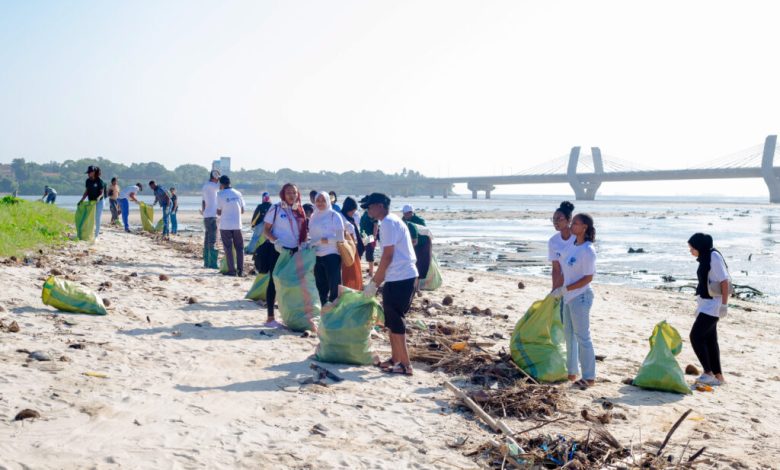
MWANZA: THE second phase of the Clean Shores, Great Lakes Campaign has recorded significant success across the African Great Lakes region, with 69 clean-up exercises conducted to protect water bodies and promote environmental conservation.
Speaking in Mwanza City on Thursday, the Environmental Management and Economic Development Organisation (EMEDO) Programme Manager, Mr Arthur Mugema, presented the campaign’s findings, highlighting its achievements and impact on communities.
“The campaign brought together 5,483 volunteers who actively participated in removing waste from shorelines and surrounding communities,” he said.
Mr Mugema noted that the collective efforts resulted in the collection and proper management of 25,981 kilogrammes of waste, helping to reduce pollution and improve the health of lake ecosystems.
“The achievement underscores the growing commitment of communities and stakeholders to safeguarding the region’s vital freshwater resources,” he noted further.
According to him, the campaign, conducted between 2022 and 2024, was implemented by EMEDO in partnership with the University of Dar es Salaam and Arena Recycling Industry. It recovered 431,328 waste items from lake shorelines, covering an estimated 688,602 square metres.
“These figures reflect both the magnitude of waste accumulation and the sustained effort required to address it,” he said.
Mr Mugema said plastic waste continues to dominate shoreline pollution across the Great Lakes region, comprising lakes Tanganyika, Victoria and Nyasa, accounting for 74 per cent of all collected litter, equivalent to 319,902 items.
Other categories of waste collected included clothing at 11 per cent (47,206 items), paper and cardboard at 4 per cent (16,869 items), fishing gear at 3 per cent (13,080 items) and glass at 3 per cent (12,461 items).
“This distribution indicates that while multiple waste streams are present, plastics remain the most persistent and environmentally challenging component,” he explained.
ALSO READ: Mwinyi sets course for diversified Zanzibar economy
He further revealed that plastic beverage bottles constituted the single largest category of waste collected, accounting for 89,766 items or 21 per cent of the total, followed by plastic bags at 85,605 items, representing 19 per cent.
Other commonly collected waste included clothing (33,883 items), food wrappers (29,450 items), packaging materials (22,297 items), plastic bottle caps (20,301 items) and other food-related plastics (20,039 items).
Additional waste items, including cardboard boxes, industrial plastic sheeting and fishing nets, also featured among the top ten categories, though in smaller proportions.
Mr Mugema emphasised that the high proportion of plastic waste reflects deeper structural challenges in waste management systems within lakeside communities. In response to these challenges, he said EMEDO, in partnership with WorldFish, conducted a Fisheries Climate Adaptation Plan Workshop in Bukoba District from May 18 to 21 this year.
“The workshop aimed to equip fishermen, fisheries leaders and women fish processors with knowledge and skills on climate adaptation and sustainable fisheries management,” he explained.
According to Mr Mugema, the training covered topics such as the impact of climate change on fisheries value chains, myths and facts about climate change, gender roles within fishing communities, lake ecology and environment conservation, ecosystem threats and sustainable fisheries practices.
He said another objective was to highlight key findings on ecological changes linked to climate change, the most affected areas and vulnerable groups within fishing communities.
Environment stakeholders warned that unless integrated solutions are implemented, plastics will continue to dominate shoreline pollution in the Great Lakes region, posing serious risks to aquatic ecosystems and communities that depend on the lakes for their livelihoods.
Water and Environmental Engineer, Mr Mathayo Athuman of the non-governmental organisation SILVER, warned that unless deliberate measures are taken to protect the environment and surrounding ecosystems, Lake Victoria could face a fate similar to that of Lake Chad.
He noted that Lake Chad, shared by Chad, Cameroon, Niger, and Nigeria, was once the fourth-largest lake in Africa, covering approximately 25,000 square kilometres before the 1960s.
However, he said due to environmental degradation and unsustainable use of natural resources, the lake has shrunk by nearly 90 per cent and now covers only about 2,500 square kilometres.