Govt to subsidise organic fertilisers, promote nutrient-rich crops
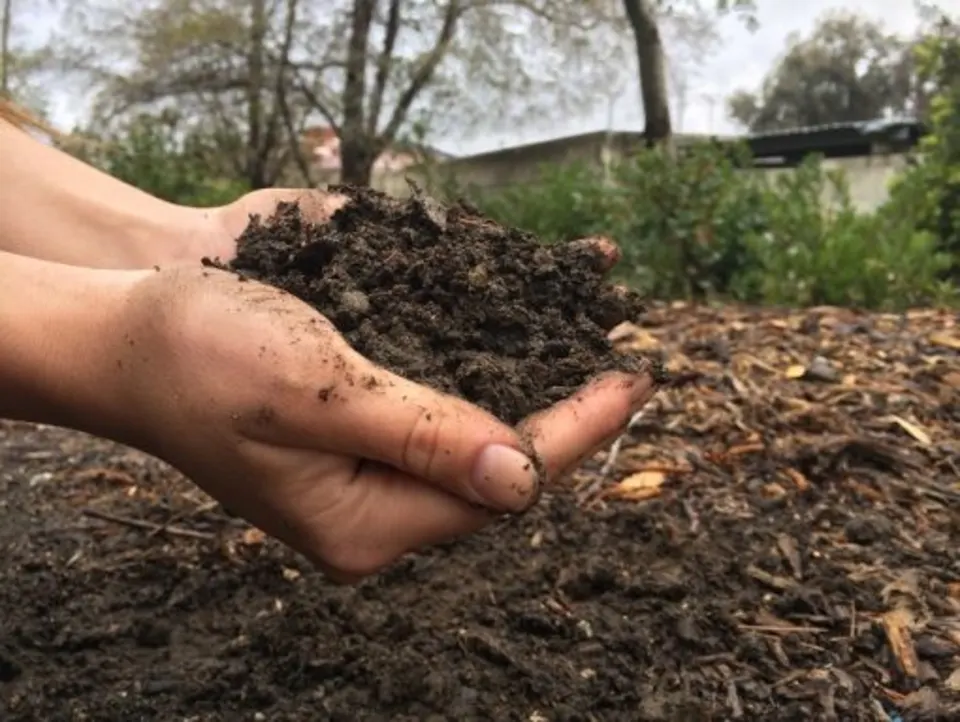
TANZANIA: THE government has announced a new initiative to advance the agricultural sector by providing subsidies for organic fertilisers.
This move aims to encourage communities to grow and consume neglected and underutilised nutritious crops, which will contribute to public health and food security.
The crops targeted for promotion include pigeon peas, amaranth, nightshade, finger millet, indigenous vegetables, spinach, bitter tomatoes, black nightshade, sesame and bungo fruit crops that are often overlooked or not prioritised in traditional farming systems.
To support this initiative, the government has allocated 1.28tri/- for investment in the agricultural sector. This funding will cover subsidies for fertilisers, seeds, farming equipment and transportation for extension officers, all designed to improve agricultural productivity and sustainability.
Speaking at the Marketing Forum for Innovative Products Made from Neglected and Underutilised Species (NUS), organised by SWISSAID, the Deputy Permanent Secretary of the Ministry of Agriculture, Dr Hussein Omar, explained that these funds would benefit farmers by providing non-chemical fertilisers, fostering sustainable farming practices and promoting community health through the consumption of nutrient-rich crops.
“In the past, agriculture lacked significant investment, but since the Sixth Phase government took office, the sector has attracted major investment,” Dr Omar said.
“This funding will help tackle malnutrition in regions like Njombe and Iringa, which, despite being major agricultural producers, still face challenges in nutrition. We will continue to encourage the consumption of these crops as they offer abundant, natural nutrients.”
ALSO READ: Mwinyi assures increase in food security, nutrition in Isles
Dr Omar also emphasised the Ministry’s commitment to addressing challenges raised by farmers, traders and other stakeholders. This includes improving the value and marketability of underutilised crops.
“There is limited awareness in the community about nutrition,” he said, “but we are dedicated to educating people on the benefits of indigenous crops, the preservation of traditional seeds, and shifting away from the overreliance on non-traditional foods.”
Additionally, he outlined the ministry’s goal of creating three million jobs in the agricultural sector by 2030 as part of a broader strategy to reduce poverty and improve livelihoods for Tanzanians.