Govt prioritises citizens’ safety

DODOMA: PRIME Minister Kassim Majaliwa has directed all public institutions to develop comprehensive disaster preparedness and response strategies to prevent potential humanitarian crises in Tanzania.
His announcement came during the national observance of World Humanitarian Day, marked annually on August 19 to showcase the importance of humanitarian efforts worldwide.
Speaking in Dodoma, Premier Majaliwa’s message that was delivered by the Minister of State in the Prime Minister’s Office (Policy, Coordination and Parliament), William Lukuvi stressed the urgent need for coordinated disaster response.
He called on stakeholders, including local and international partners, to collaborate effectively.
“The safety and wellbeing of our citizens must be our priority. We need to be proactive rather than reactive,” he said. “Now is the time to establish frameworks that ensure our readiness to face any disasters that may arise.” Mr Majaliwa stressed that all government administrators are responsible for promptly implementing these strategies and maintaining vigilance against humanitarian challenges.
He also called for an extensive public education campaign on disaster management, saying that an informed citizenry is crucial in mitigating disaster impacts.
ALSO READ: Tanzania unveils strategic projects to gain from the EACOP Project
“As we commemorate World Humanitarian Day, let us reaffirm our commitment to protecting our communities, especially the vulnerable Knowledge is a powerful tool; equipping our citizens with the right information can save lives,” he added.
The Prime Minister’s directive aligns with global efforts to prepare for and respond to disasters, highlighting Tanzania’s dedication to strengthening its humanitarian framework.
He noted that the government’s proactive approach aims to foster resilience within communities, ensuring citizens are prepared for emergencies and able to assist one another in times of crisis.
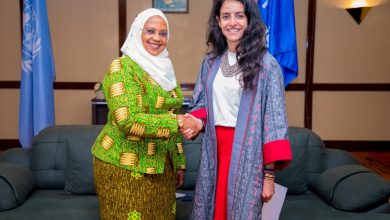
The event brought together various stakeholders from across the country, including Deputy Minister in the Prime Minister’s Office responsible for Policy, Coordination and Parliament, Ummy Nderiananga and Permanent Secretary in the Ministry, Dr Jim Yonazi.
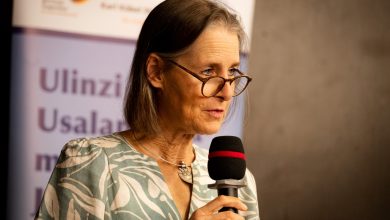
World Food Programme (WFP) Country Director, Christine Mendes expressed the United Nations’ commitment to deepen collaboration, act early and honour the dignity and strength of every person affected by humanitarian crises.
“Together, we are committed to continuing to act in solidarity,” she said, delivering the message from United Nations Secretary-General António Guterres. In his message, the UN Secretary-General said, “On World Humanitarian Day, we honour the tireless efforts of aid workers around the world who are saving lives and protecting the most vulnerable.
We demand an end to the attacks on humanitarians and on all civilians and urge all countries to uphold their obligations under international humanitarian law. Humanitarians must be able to work safely and with dignity, so they can deliver life-saving assistance and bring hope to those who need it most.”
Mendes noted that these words resonate strongly in Tanzania, where various partners, including local government officials, community leaders, civil society, the UN and international NGOs, work tirelessly to prepare for, respond to and recover from natural disasters.
“In the past years, partners of the Emergency Coordination Group responded swiftly to flooding in many districts, coordinating relief and conducting impact assessments. They also facilitated lifesaving health services during emergencies, including providing water, sanitation and hygiene supplies amid cholera risks,” she said.
The WFP acting Country Director highlighted ongoing efforts to strengthen early warning systems and promote climate-resilient agriculture, demonstrating commitment to building long-term resilience.
“Local disaster preparedness plans in regions like Morogoro, Mtwara and Manyara, alongside inclusive community dialogues on climate adaptation, are results of these efforts. We supported simulation exercises with local authorities and capacity-building for local responders because we know the first response is almost always local,” she said.