Govt orders livestock registration amid land conflicts
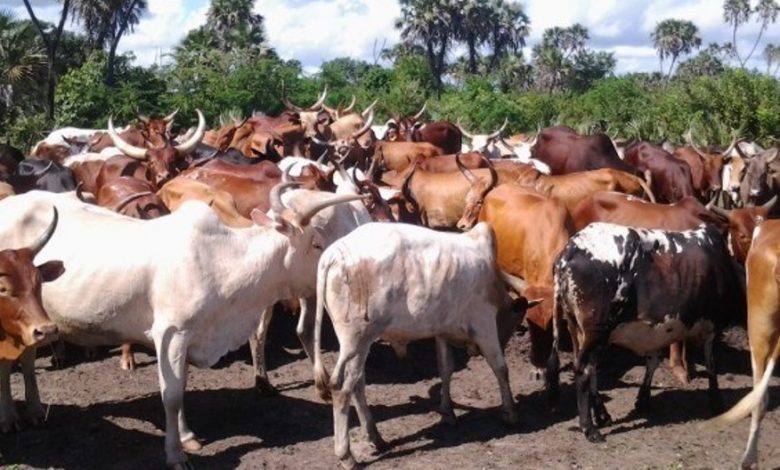
TANGA: THE government has launched a registration exercise targeting pastoralists, livestock and landholdings in Handeni District, Tanga Region, as part of renewed efforts to address persistent conflicts between farmers and livestock keepers.
Tanga Regional Commissioner, Dr Batilda Burian announced the initiative over the weekend directing pastoralists to register their names, number of livestock and land occupied, as authorities seek to identify those operating outside approved land-use plans.
Speaking during a public meeting with residents of Mazingara and Kwamsisi divisions at Mkata Mashariki Village grounds, Dr Burian said a special team would visit livestock enclosures to verify ownership, the number of animals and how the occupied land had been acquired.
“The exercise will help the government to establish accurate records and identify livestock keepers whose activities violated existing laws and regulations,” she said.
Handeni District Commissioner, Mr Salum Nyamwese, said some pastoralists were engaging in unlawful practices, including allowing livestock into farms at night, causing crop destruction and escalating tensions with farmers.
“Some livestock keepers allow their animals into farms at night, destroying crops and this causing conflicts with farmers,” he said.
He added that some livestock keepers have been attacking and injuring farmers using traditional weapons, warning that such incidents threaten peaceful coexistence.
Handeni District Pastoralists Association Secretary, Mr Feruzi Mkulago, said the increasing number of pastoralists settling in the district could partly be linked to arrangements made with village leaders or residents.
ALSO READ: COLUMN: MIND YOUR LANGUAGE. There is a difference between land disputes and land conflicts
“The growing number of pastoralists settling in the district could partly be linked to arrangements made with leaders or residents of the respective villages,” he said.
His remarks point to the need for authorities to examine how land is allocated and whether settlement and grazing arrangements comply with established procedures.
One of the pastoralists who attended the meeting, Ponsiano Daniel, said some disturbances involved livestock keepers coming from outside the villages where conflicts occurred.
“Some of the disturbances also involve livestock keepers coming from outside the villages where the conflicts occur,” he said.
The registration exercise began during the meeting, were farmers significantly outnumbered pastoralists in attendance.
Dr Burian consequently directed authorities to extend the exercise to reach pastoralists who had not attended.
Dr Burian also urged residents to resolve disputes through established legal channels rather than resorting to violence, as the government seeks to promote peaceful coexistence between farming and pastoralist communities.