Govt in talks to revive idle MeTL tea estates
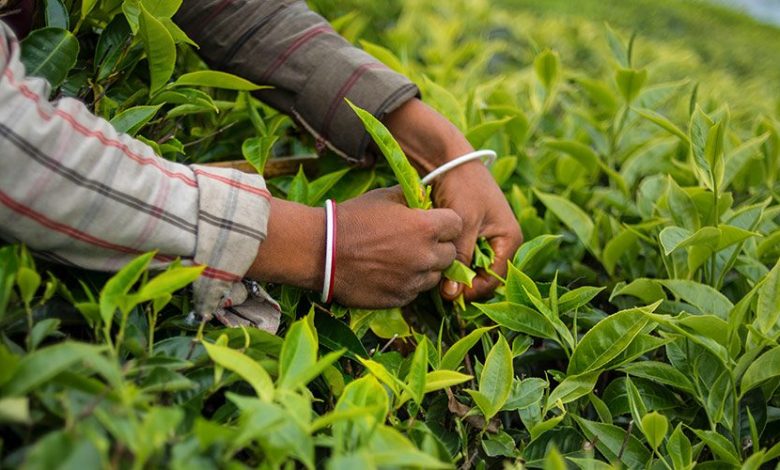
MBEYA: THE government is considering the takeover of more than 2,000 hectares of idle Mohamed Enterprises Limited (MeTL) tea estates in Mbeya Region in a move aimed at protecting tea farmers and reviving production.
Deputy Minister for Agriculture Mr David Silinde told the National Assembly yesterday that the government is currently negotiating with the company to ensure tea production resumes while also exploring the possibility of purchasing the estates and reallocating them to smallholder farmers.
He said this while responding to a basic question by Anton Mwantona (Rungwe-CCM), who wanted to know when the government would repossess more than 2,000 hectares of MeTL tea estates that have remained unused and redistribute the land to wananchi.
In his response, Mr Silinde said the government had already engaged MeTL management and asked the company to suspend plans to halt tea production, while at the same time renewing contracts for the purchase of green tea leaves from smallholder farmers supplying the estates.
“The government is continuing with negotiations with the management of MeTL with the aim of purchasing the estates and allocating them to smallholder farmers, while the factories will be handed over to cooperative societies in Rungwe and Mbeya districts,” he explained.
ALSO READ: Saudi Arabia, Comoros, Slovakia and UN welcome new Tanzanian envoys
Mr Silinde said the planned arrangement is expected to provide a long-term solution to challenges facing tea farmers in the region, particularly unreliable markets for green tea leaves.
According to the Deputy Minister, handing over factories to cooperative societies would also help strengthen farmers’ participation in the tea value chain and improve productivity in the sector.
Mr Silinde said the revival of the estates would contribute to increased tea production and help improve incomes and livelihoods for thousands of farmers who depend on tea farming in Mbeya Region.
He added that the government remains committed to protecting the interests of tea growers and ensuring sustainable development of the tea sector, which remains one of the country’s important cash crop industries.