Govt decentralises cement production
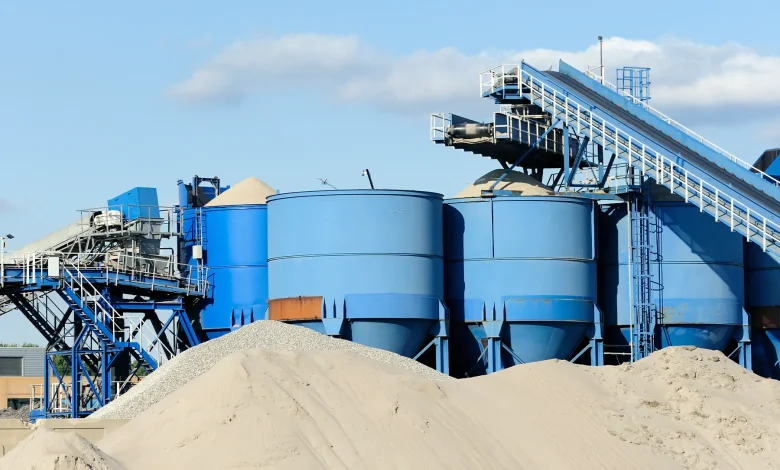
DODOMA: PRIME Minister Dr Mwigulu Nchemba has said the government was promoting the establishment of cement factories in different regions to bring production closer to consumers and reduce price pressures caused by high transport costs.
He cited western regions such as Kigoma, which depend on cement supplies transported from distant production centres in Mtwara and Tanga, saying establishing factories closer to markets would help lower distribution costs and improve supply.
Dr Nchemba made the remarks in the National Assembly on Thursday during the Direct Questions to the Prime Minister session, while responding to a question by Edibily Kazala (Kasulu-CCM), who sought to know measures being taken to address rising cement prices despite increased industrial investment.
He said cement prices were a concern for consumers across the country and had been under discussion within the government, particularly because of significant price differences between regions.
“One of the measures agreed upon was to encourage factories to be established in different zones so that cement could be produced closer to consumers,” Dr Nchemba said.
According to the Prime Minister, the recent increase in cement prices was partly attributed to higher fuel prices, which had raised transportation costs.
He said the government had already engaged transport stakeholders over the issue and that he would meet cargo transporters to identify areas where transportation costs could be reduced. Dr Nchemba said President Samia Suluhu Hassan had directed that investors producing essential goods be given priority, adding that a cement factory in Kigoma had already reached the implementation stage.
He said the government was also encouraging similar investments in Kagera and Katavi to enable western regions to obtain cement from nearby production centres rather than relying on supplies transported from distant areas such as Mtwara and Tanga.
ALSO READ: Land rent interest rules clarified
The government was also engaging cement distributors to review distribution costs and identify ways of preventing unnecessary price increases along the supply chain. Dr Nchemba said bringing production closer to consumers was important because transportation costs could significantly influence the final prices of essential products.
Meanwhile, the Prime Minister said the government was encouraging investment in domestic fertiliser manufacturing as a long-term solution to challenges associated with importing agricultural inputs and transporting them over long distances.
He made the remarks while responding to a question by Condester Sichwale (Momba-CCM), who wanted to know measures being taken to ensure fertiliser and other agricultural inputs reached farmers on time and in line with the farming calendar.
Dr Nchemba said the government had spent about 1tri/- on fertiliser subsidies as part of efforts to support farmers and boost agricultural production, but stressed that timely availability of inputs remained critical to the success of the programme.
He said the country had experienced delays in fertiliser supplies due to global supply disruptions, including the Covid-19 pandemic, the Russia-Ukraine conflict, foreign currency shortages and instability affecting major shipping routes. Such disruptions, he said, demonstrated the need to increase domestic fertiliser production and reduce reliance on imports.
“For a long-term solution to this problem, we have continued to encourage investment in industries of this kind here in our country so that we can avoid the problems that arise from transporting these products from other countries,” Dr Nchemba said.
He said a fertiliser factory in Dodoma had already started operations, while the government was encouraging the expansion of local production of different types of fertiliser that had previously been imported.
The Prime Minister also encouraged farmers to use locally produced fertilisers, including Minjingu fertiliser from Arusha, while calling on more investors to establish factories capable of meeting domestic demand.
He further directed institutions responsible for fertiliser distribution to ensure supplies reached farmers in accordance with the agricultural calendar, noting that planting seasons were known in advance in different regions.