Government urges researchers to find lasting solution to Malaria
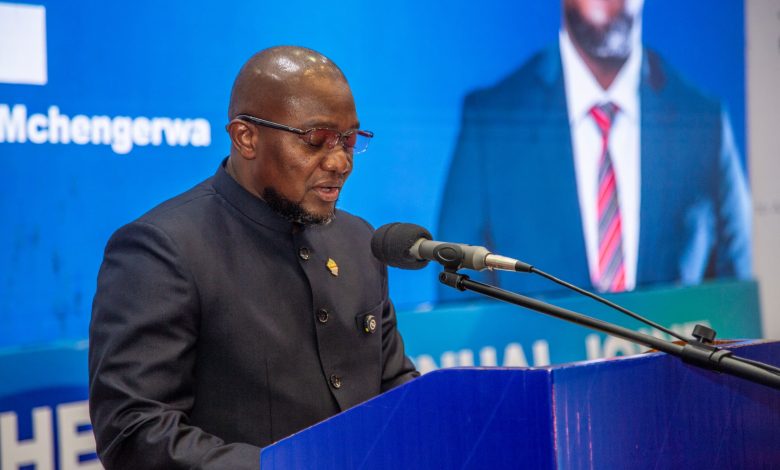
ARUSHA: THE government has called on research institutions in the country to intensify efforts in finding a lasting solution to eliminate malaria in Tanzania.
This was stated by the Minister of Health, Mohamed Mchengerwa, while opening the 33rd Scientific Conference held in Arusha today.
Mchengerwa said malaria remains a major public health threat despite the progress made in combating the disease.
He emphasized that international research collaboration should generate results that directly improve people’s lives by providing innovation, technology, and solutions to various health challenges.
He also noted that research institutions such as the National Institute for Medical Research (NIMR) have placed Tanzania on the global map through various health studies, including those that contributed to the development of the malaria vaccine now used in many countries around the world.
However, he stressed that despite these achievements, malaria remains a major challenge, especially in developing countries including Tanzania, and therefore researchers must now focus on finding a complete solution to eradicate the disease.
Due to this situation, he called on researchers to apply their knowledge and innovation to find a sustainable solution that will enable Tanzania to join countries that have successfully eliminated malaria.
For his part, the Chairperson of the Board of the National Institute for Medical Research (NIMR), Prof. James Mdoe said that in implementing Tanzania’s Vision 2050, the country continues to strengthen the use of science, technology, and innovation as key pillars of socio-economic development.
He noted that the success of the vision will depend on the country’s ability to generate new knowledge, foster innovation, and utilize scientific evidence to make informed development decisions.
In this regard, Prof. Mdoe said NIMR will continue to strengthen its role by conducting high-quality research, building human resource capacity in health sciences, and generating evidence that contributes to improving the health and well-being of citizens, as well as the overall development of the nation.
He further emphasized that the decline in research funding from development partners highlights the need for Tanzania to increase domestic investment in research and development.
Such investment, he said, is essential to ensure the country becomes self-reliant in generating knowledge and developing solutions to emerging challenges facing society.