Government tightens screw on predatory lending practices
DODOMA: THE government is plugging loopholes and continue strengthening regulations to tame predatory lending practices in the country.
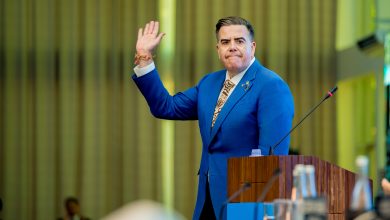
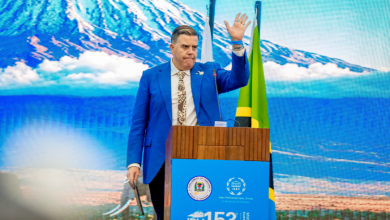
Deputy Minister for Finance Mr Laurent Luswetula told the National Assembly in Dodoma on Tuesday that through the Bank of Tanzania (BoT) and other stakeholders, the government has also taken several measures to control high-interest risky loans offered by some unlicensed institutions.
He said the steps taken include continuing public education to ensure citizens understand that loans should only be provided by licensed service providers, in accordance with the Banking and Financial Institutions Act of 2006 and the Microfinance Services Act of 2018.
Other steps include identifying and taking regulatory action against unlicensed lenders.
He said, in implementing this, a total of 69 digital lending programmes identified as providing loans without licences were suspended, and 126 programmes were shut down.
The deputy minister said the government has provided specific guidelines to digital loan service providers, to ensure transparency, ethical operations, full disclosure of loan costs, and protection of financial service users.
“We have also introduced regulations to govern digital lending, which are expected to take effect in the 2026/27 fiscal year.
These regulations, he said, aim to strengthen oversight and control of digital lenders in Tanzania.
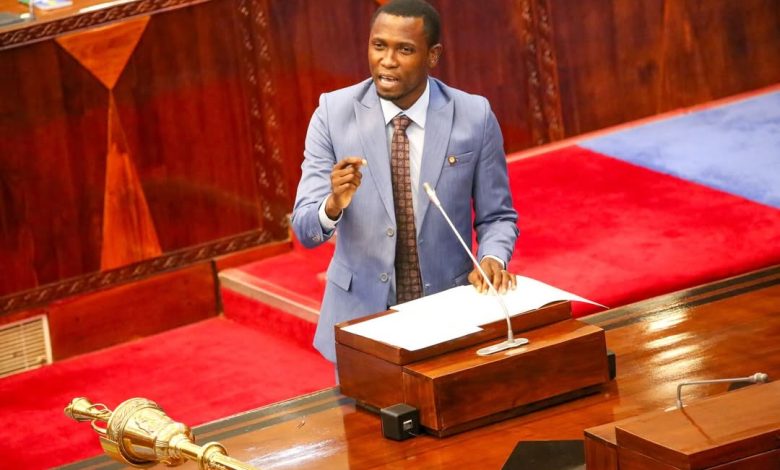
The deputy minister was responding to a question by Special Seats MP Dr Neema Majule, who had sought to know what measures has the government taken to control dangerous loans with high interest rates provided by some unlicensed institutions.
In her supplementary question, the MP wanted to know what guidelines have been prepared to assist entrepreneurs, especially women and youths, in understanding the regulations and procedures for accessing financial benefits.
Responding, the deputy minister said that the government continues to develop and oversee financial guidelines.
He said the National Financial Education Programme (2020–2026) aims to help Tanzanians acquire financial literacy, including understanding how to manage finances and prepare financial plans.
He also said that a Finance Week has been established, and financial education initiatives have reached more than 16 regions and 94 local government authorities.
These initiatives, according to the deputy minister, cover areas such as investment, capital markets, taxation, insurance and related financial services.
For institutions that violate procedures and charge excessive interest rates, the government has prepared a draft framework to regulate lending institutions, including the suspension of licences for offenders.
The government is also working with the Bank of Tanzania (BoT) to continue regulating predatory lending practices.