Global community pledges support for gender equality
ARUSHA: REPRESENTATIVES of the International Communities in the country yesterday expressed their commitment to continue working with Tanzania and all partners to ensure gender equality and equal opportunities for all in support of sustainable development.
Speaking during the celebration to commemorate International Women’s Day in Arusha, they commended the government and Tanzanians for recording achievements in promoting gender equality and women’s rights.
This year’s International Women’s Day was celebrated in Arusha, presided over by President Samia Suluhu Hassan, with a large number of women from various sectors in attendance.
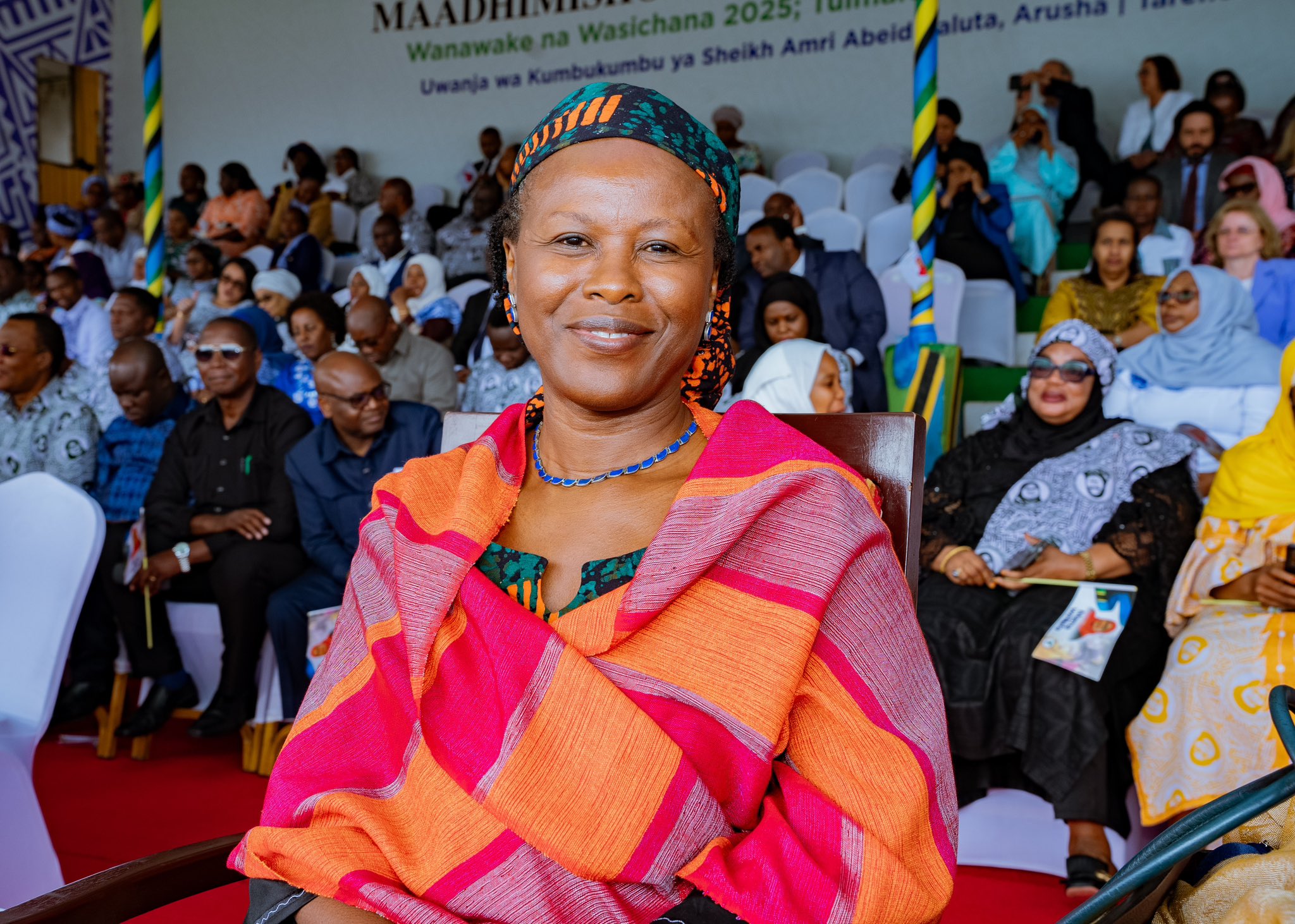
In her remarks, United Nations (UN) Resident Coordinator in Tanzania, Ms Susan Namondo (pictured) commended Tanzania’s progress in upholding women’s rights, noting that the country’s legal framework, including the constitution, supports gender equality. This is further supported by initiatives like development goals and clean cooking programmes.
“UN Tanzania remains committed to working with all partners to ensure equality and equal opportunities for all,” said Ms Namondo.
She added that this year’s celebrations also mark the 30th anniversary of the Beijing Declaration.
“Remarkable strides have been made, including Tanzania becoming one of the two African countries to be led by a female Head of State,” she said.
She also noted improvements in girls’ education and a reduction in maternal mortality rates, saying both legal reforms and constitutional frameworks have been key in supporting women’s rights and eliminating discrimination.
She stressed that UN partnerships have delivered tangible results, such as supporting over 63,000 women in agriculture, enabling 2,000 women entrepreneurs to expand their businesses and training more than 2,000 women in transformational leadership while protecting children from gender-based violence.
“These efforts have created opportunities for women in cross-border trade, financial literacy and economic empowerment, demonstrating the critical importance of investing in women’s potential,” she said.
Ms Namondo also pointed out that despite progress, significant challenges remain. Projections suggest it will take 40 years for women to achieve equal parliamentary representation, 68 years to eradicate child marriage and 137 years to eliminate extreme poverty for women.
She insisted for the need to accelerate efforts toward gender equality, continue advocating for legal protections, expand economic opportunities and promote women’s leadership to create a more equitable future for all women and girls in Tanzania and beyond.
ALSO READ: INTERNATIONAL WOMEN’S DAY: ‘Let’s build upright nation’
On her part, the European Union (EU) Head of Delegation in Tanzania, Ms Christine Grau underscored the critical role of civil society in advancing gender equality and the 2030 Agenda for Sustainable Development, highlighting the 30th anniversary of the Beijing Declaration.
“We, as ambassadors, all agree that you have accelerated action for gender equality. You are an example and your leadership has inspired girls in this country who can now dream of becoming presidents,” said Ms Grau.
She also highlighted campaigns aimed at empowering women and encouraging them to take leadership roles in their lives, including engaging with men.
Ms Grau reiterated the EU and development partners’ commitment to continue working with Tanzania to uplift and advance women in every sphere of life, from business to politics.
Minister for Community Development, Gender, Women and Special Groups, Dr Dorothy Gwajima said that apart from providing education, many women entrepreneurs had the opportunity to showcase their businesses and create learning opportunities for others during the celebrations of International Women’s Day, which was preceded by a number of events few days ago.
On Mama Samia Legal Aid Campaign, Dr Gwajima said in addition to helping a large number of women with legal disputes, the campaign has gained momentum in establishing and strengthening platforms for women’s economic empowerment.
Following President Samia Suluhu Hassan’s directive, such forums have been established at the village, district and regional levels.
“There is a great need to continue reaching out to women at all administrative levels to further enlighten those who remain unreached,” said Dr Gwajima.