FIGHT AGAINST DEVELOPMENT ENEMIES: Tanzania makes headway

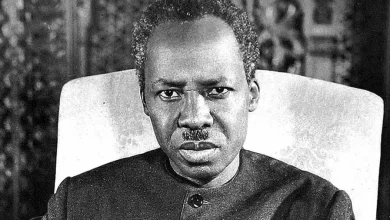
DAR ES SALAAM: TANZANIA has made significant progress in tackling the three enemies of development identified by the founding father, the late Mwalimu Julius Nyerere, according to analysts.
As the country marks 27 years since his death, his enduring declaration that “Our greatest enemies are three: Disease, ignorance and poverty” continues to provide a framework for assessing the country’s development journey and priorities for future generations.
Political and economic analysts, alongside veteran politicians, say successive governments have recorded notable achievements in expanding access to education and healthcare and improving infrastructure.
However, they stress that more efforts are needed to improve service quality, create productive employment and ensure that development benefits reach all citizens.
Speaking to the ‘Daily News’ yesterday in a telephone interview, economist and investment banker Dr Hildebrand Shayo said the implementation of fee-free education and the construction of schools had expanded access to learning.
Improvements in roads, electricity and communications infrastructure had also supported economic activities and brought essential services closer to communities, he said.
Dr Shayo added that the health sector had registered progress through the expansion of healthcare facilities and improved access to vaccinations and basic medical services.
“However, poverty, a shortage of productive employment opportunities and low incomes continue to affect many citizens. Education must focus on improving the quality of knowledge and skills, while healthcare requires sufficient professionals, medicines and equipment,” he said.
Veteran politician and former Member of Parliament, Professor Anna Tibaijuka, said Tanzania had made progress, but development strategies needed to evolve in response to changing societal needs.
ALSO READ: Why peace, unity, patriotism matter most in national development
Prof Tibaijuka, who said she met Nyerere in Geneva six months before his death, described the fight against ignorance as a continuous process that required education to keep pace with technological advancement and globalisation.
“Mwalimu emphasised the importance of Tanzanians continuing to learn so that they can address the challenges of the present day,” she said.
On poverty, she observed that some citizens still struggled to meet their basic needs, underscoring the need for stronger government efforts to ensure that social services kept pace with population growth.
Regarding disease, Prof Tibaijuka said access to healthcare had improved, but sustainable financing for medical treatment remained essential.
She said she had advocated health insurance as early as 1989, arguing that current efforts to achieve universal health insurance demonstrated the importance of long-term planning in improving access to healthcare.
Meanwhile, Dar es Salaam Tumaini University (DarTU) assistant lecturer in the Department of Mass Communication, Ms Rachel Yusuph, said successive governments had expanded access to education and healthcare while improving infrastructure to support economic activities.
She said fee-free education, school construction and the expansion of higher education institutions had increased learning opportunities, including for girls and children from disadvantaged families.
Wider internet access had also enabled people to acquire knowledge and practical skills through online platforms and artificial intelligence.
However, she stressed that education should equip citizens with skills to secure employment, become selfemployed and contribute to national development.
On poverty, Ms Yusuph said improved roads had facilitated the transportation of agricultural produce to markets, while loans and economic empowerment programmes had created income-generating opportunities for women and young people.
Their effectiveness, she added, depended on ensuring funds reached intended beneficiaries and were used productively.
Regarding disease, she said hospitals and health centres had improved access to treatment, but prevention also required health education, proper nutrition, environmental sanitation, safe water and adequate sewage systems.
She further advocated tree planting, clean energy and waste recycling to protect the environment and create economic opportunities. However, she cited damage to public infrastructure, illegal tree cutting and indiscriminate waste disposal as persistent challenges.
Ms Yusuph emphasised that defeating Nyerere’s three development enemies required public participation, responsible use of resources and collective efforts to protect infrastructure and improve livelihoods.
Political and economic analyst, Hamiduni Maliseli, from Mwanza, said Nyerere’s declaration on the three development enemies remained a guiding vision for nation-building.
He said the expansion of primary and secondary schools and colleges had increased access to education, but improvements in quality, adequate teachers and graduates’ ability to apply their knowledge productively remained essential.
On healthcare, Mr Maliseli said referral hospitals, health centres and dispensaries had improved access to treatment, although more professionals, particularly doctors, were needed to meet public demand.
He added that investments in roads, airports, energy infrastructure and maritime transport had laid a foundation for trade and production.
However, he called for greater investment in agriculture, agro-processing industries and agricultural colleges to improve productivity, add value to farm produce and create jobs.
Mr Maliseli stressed that achieving higher development levels required a strong work ethic, accountability in public spending and decisive action against corruption.
He said defeating the three enemies also depended on responsible leadership, productive citizens and effective use of national resources.