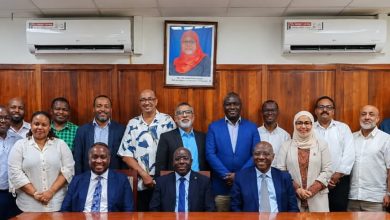
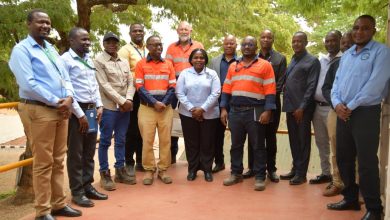
FEMATA requests removal of unnecessary charges in mining sector for Vision 2050 goals

DAR ES SALAAM: THE Federation of Miners’ Associations of Tanzania (FEMATA) has called for improved coordination among regulatory authorities and removal of unnecessary charges to enable the mining sector to contribute more effectively to the implementation of Tanzania Development Vision 2050.
FEMATA President John Bina made the call during the launch of Vision 2050 implementation instruments and a special dialogue between President Samia Suluhu Hassan and the private sector noting that the small-scale mining sector has made significant progress in recent years but still faces challenges that require government attention.
Representing more than six million small-scale miners and other stakeholders in the sector, the Chairman commended President Samia’s leadership, saying miners remain committed to supporting efforts aimed at transforming Tanzania into a high-income industrial economy.
He said reforms introduced in the mining sector, particularly following changes made through the 2010 Mining Act, have contributed to increased participation of Tanzanians in the industry.
According to Bina, the contribution of small-scale miners to the national economy has increased from about five per cent to 40 per cent, while the establishment of mineral markets across the country has helped reduce mineral smuggling.
He commended the government for establishing around 44 mineral markets, saying the move has improved transparency and enabled miners to benefit more from their activities.
“During my 13 years as FEMATA president, I have travelled across Africa and other parts of the world, but Tanzania remains one of the few places where small-scale miners are respected and recognised,” he said.
ALSO READ: TPDC allocates 22.06bn/-for CNG as its use gains momentum
Additionally, Bina said FEMATA has organised miners into various groups, including women’s and youth associations, to improve coordination and participation in the sector.
He noted that youth make up about 80 per cent of workers in the small-scale mining sector, adding that most are engaged in productive activities aimed at improving their livelihoods.
However, he outlined several challenges that need to be addressed to support the sector’s growth towards Vision 2050.
Among them was what he described as multiple standards and unnecessary taxes imposed by some local authorities, saying some local regulations create additional burdens for miners.
He also called for the establishment of one-stop centres at mineral markets to reduce regulatory challenges and improve efficiency.
Furthermore, he urged environmental regulatory authorities to work more closely with investors and avoid disrupting projects after construction has already reached advanced stages.
He said regulatory institutions should focus on supporting development while ensuring compliance, rather than only stopping projects.
“We need to build the country together so that we can achieve the goals of Vision 2050. Development should move alongside proper regulation,” he said.