

Environmental experts key to Africa’s future economy
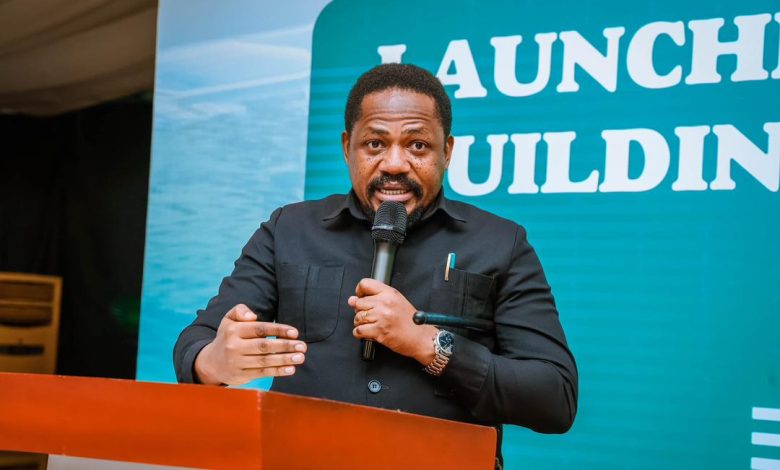
DAR ES SALAAM: Tanzania is increasingly positioning environmental experts at the centre of its long-term economic transformation, as the country seeks to balance rapid growth with environmental sustainability under its Development Vision 2050.
This stance was underscored during the launch of a fundraising initiative for the Tanzania Environmental Experts Association (TEEA) headquarters in Dar es Salaam.
Deputy Minister in the Vice President’s Office Union and Environment, Reuben Kwagilwa, said achieving the country’s ambition of becoming a trillion-dollar economy by 2050 will depend heavily on strong environmental governance.
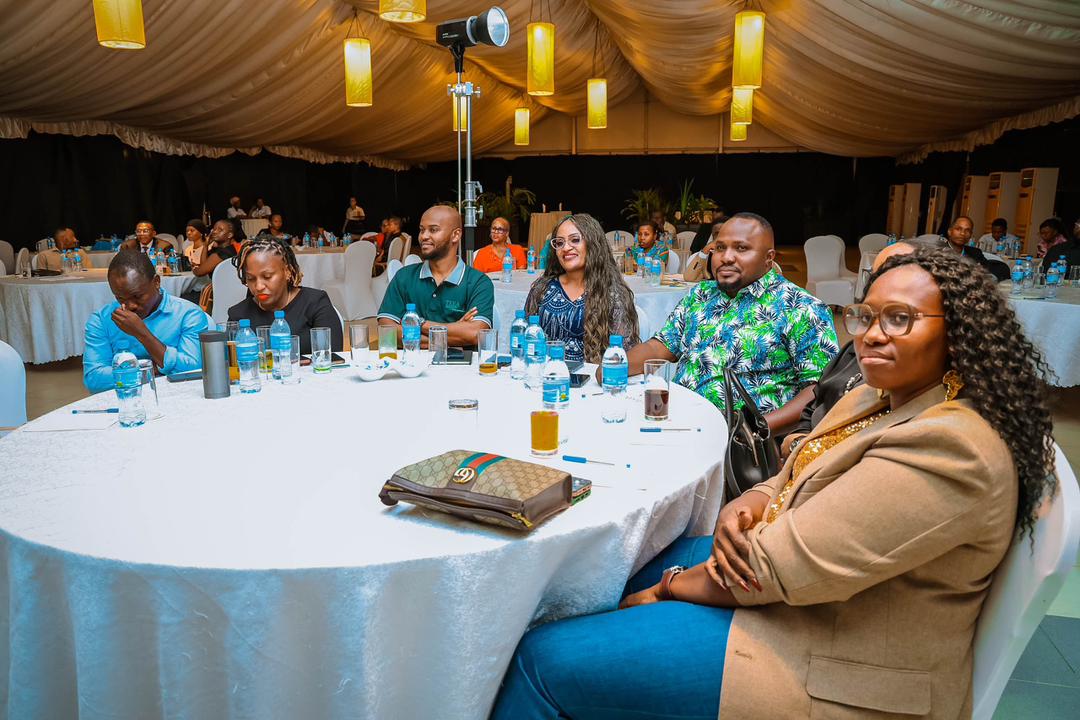
He noted that Tanzania continues to face growing environmental challenges, including the loss of about 370,000 hectares of forest annually and the increasing impact of climate change on key sectors such as agriculture, water and energy.
“With the population projected to exceed 118 million by 2050, pressure on natural resources will intensify, making sustainable management unavoidable,” he said.
ALSO READ: Tiseza, TIB Bank sign MoU to expand business capacity in special economic zones
Mr Kwagilwa emphasised that all development projects must be guided by rigorous Environmental Impact Assessments (EIAs), describing environmental protection as a “generational responsibility.”
Globally, experts agree that countries investing in environmental governance benefit from improved productivity, reduced environmental degradation costs and increased investor confidence.
In response, Tanzania has continued to strengthen its regulatory framework, including enhancing enforcement through the National Environment Management Council (NEMC), while exploring local content policies to boost participation of Tanzanian professionals in environmental projects.
Citizen scientist and Founding Trustee of Umoja Conservation Trust (UCT), Mr Bryan Toshi , said the challenge lies in limited platforms to organise and deploy local expertise effectively.
“Africa does not lack expertise, but structured systems to connect professionals with opportunities are still inadequate,” he said.
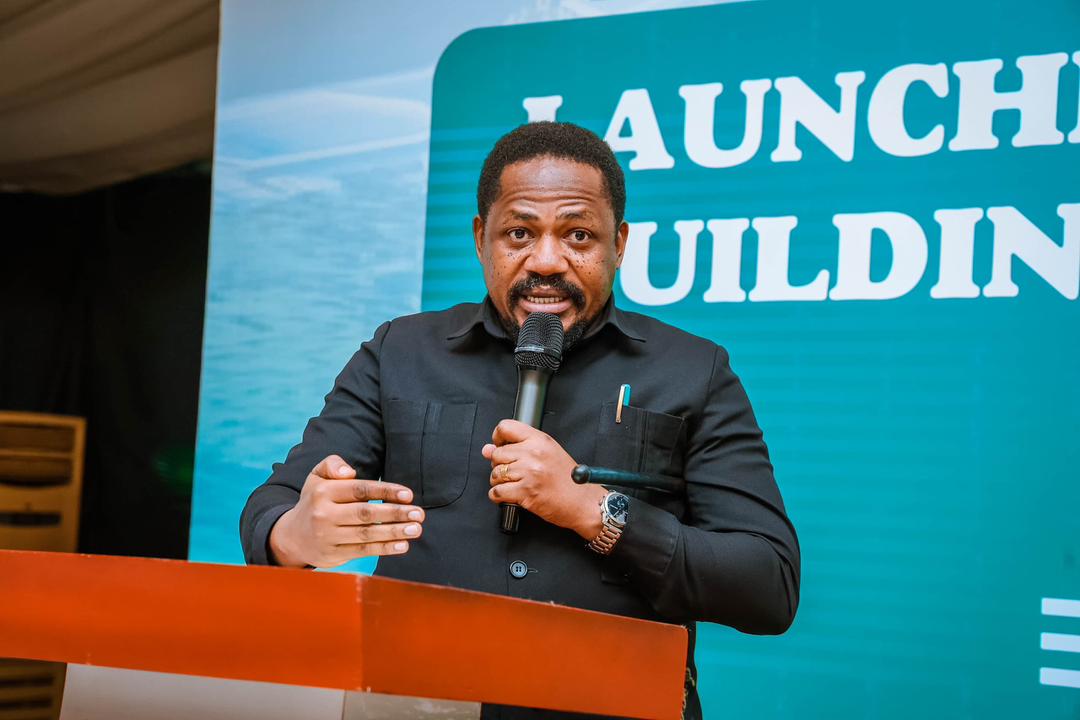
This has prompted calls for the establishment of regional and continental platforms such as the East Africa Environmental Experts Association (EAEEA) and the Africa Young Environmental Experts Association (AYEEA).
The proposed platforms aim to coordinate expertise, enhance knowledge exchange and strengthen Africa’s position in global environmental governance.
TEEA Chairman, Eng Emmanuel Hanai, said the planned headquarters will serve as a centre for professional development, innovation and youth empowerment.
He said the association intends to expand training programmes and support young professionals to participate in key sectors of the economy, including mining, agriculture, energy and infrastructure.
Analysts believe that strengthening regional collaboration among environmental experts could help Africa reduce dependence on foreign expertise, retain economic value and better address shared environmental challenges.


{İstanbul|Fatih|Beşiktaş|Kadıköy|Şişli|Bakırköy|Ataşehir|Taksim|Levent|Pendik|Florya|Nişantaşı} bölgesindeki {en seçkin|en lüks|vip} {konaklama|gece hayatı|otel transfer} ve {bağımsız modeller|vip partner|escort bayan} seçenekleri hakkında {harika|çok detaylı|faydalı} bir {rehber|içerik|paylaşım} olmuş. {Özellikle otel karşılama|VIP seyahat rehberi|7/24 iletişim hattı} arayanlar şu adresten güncel {kataloğu|portföyü|ilanları} inceleyebilir: {https://sites.google.com/view/fatih-tarihi-yarimada|https://sites.google.com/view/bostanci-sahil-promenad|https://sites.google.com/view/levent-is-merkezleri|https://sites.google.com/view/pendik-sabiha-gokcen-gezi|https://sites.google.com/view/kartal-sahil-parki|https://sites.google.com/view/zeytinburnu-sahil-yolu|https://sites.google.com/view/bahcelievler-gezi-rehberi|https://sites.google.com/view/bagcilar-is-merkezi|https://sites.google.com/view/kagithane-cendere-vadisi|https://sites.google.com/view/beyoglu-istiklal-rehberi|https://sites.google.com/view/florya-sahil-tesisleri|https://sites.google.com/view/nisantasi-butik-gezi|https://sites.google.com/view/besiktas-sahil-rehberi|https://sites.google.com/view/kadikoy-moda-gezi-rehberi|https://sites.google.com/view/sisli-istanbul-gezi-rehberi|https://sites.google.com/view/bakirkoy-sahil-gezi-rehberi|https://sites.google.com/view/atasehir-finans-rehberi|https://sites.google.com/view/beylikduzu-gezi-rehberi|https://sites.google.com/view/maltepe-sahil-parki|https://sites.google.com/view/umraniye-gezi-rehberi|https://sites.google.com/view/uskudar-sahil-rehberi|https://sites.google.com/view/mecidiyekoy-gezi-rehberi|https://sites.google.com/view/sariyer-bogaz-gezi-rehberi|https://sites.google.com/view/gokturk-kemerburgaz-gezi|https://sites.google.com/view/istanbul-gece-hayat-rehberi|https://sites.google.com/view/taksim-gece-hayati} – ({İstanbul VIP Escort & Model Rehberi|Fatih Escort İlanları|Beşiktaş VIP Escort|Kadıköy Escort İlanları|Şişli VIP Escort}). {Teşekkürler|Elinize sağlık|Başarılar}. [zpooknhwkomjtpoufg]
Her değişim sürecinde nedense hep teknik detaylara boğuluyoruz. Bizim ysgrup projelerinde edindiğimiz en büyük tecrübe, insan faktörünü ilk sıraya koymadığınızda o planların kağıt üstünde kalması oldu. [ptbjbfxnzrkeppeapr]