Emergency care must come first, Govt tells hospitals
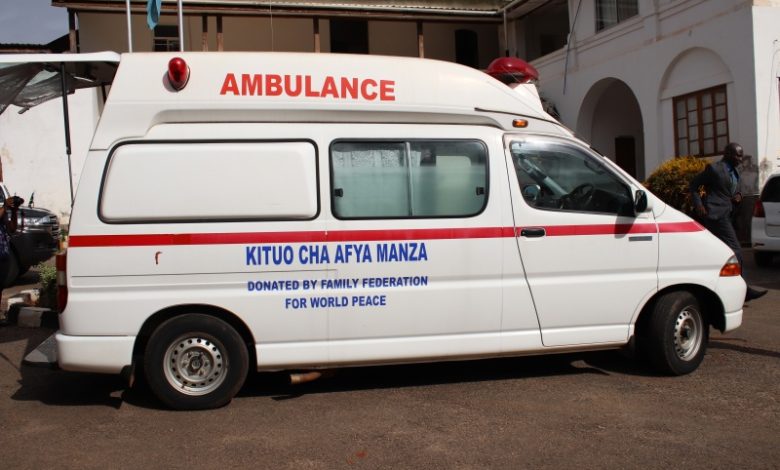
MOROGORO: THE government has directed all hospitals across the country to provide emergency medical services immediately upon a patient’s arrival, regardless of their ability to pay.
Financial matters, the directive states, should be addressed only after the patient receives treatment.
The order was issued by the Permanent Secretary of the Ministry of Health, Dr Seif Shekalaghe, during the closing of the first phase of emergency care training held in Morogoro recently.
The training aimed to enhance the capacity of regional referral hospitals to handle critical cases, particularly trauma and stroke-related emergencies.
“The priority is to treat the patient first; payment can come later. For those who are unable to pay, Social Welfare Offices have established procedures to verify and ensure that every Tanzanian receives the emergency care they need, wherever they are,” said Dr Shekalaghe.
The programme, conducted by specialist doctors from the Muhimbili Orthopaedic Institute (MOI) and Benjamin Mkapa Hospital (BMH), trained over 300 healthcare professionals across five regional referral hospitals.
Dr Shekalaghe noted that the training is expected to significantly reduce preventable deaths and disabilities, lower the number of unnecessary referrals to tertiary hospitals and improve intensive care unit (ICU) services at the regional level.
He urged hospitals involved in the training, especially those identified as lacking essential medical supplies and equipment, to assess their needs and procure necessary items to improve emergency response services.
Furthermore, he directed that all hospitals begin collecting data on emergency service delivery from the start of the training.
This data will be used for self-assessment and to identify areas needing improvement.
“Every hospital should establish a dedicated emergency services team that receives continuous training,” Dr Shekalaghe added.
He also tasked MOI to conduct follow-up visits at least every six months to monitor implementation and assess progress made by the hospitals.
“This training is not only about providing first-line emergency care and referrals but also about building internal capacity so that specialists can deliver comprehensive treatment on-site,” he explained.
ALSO READ: Emergency care cuts deaths by 40 pc in Tanzania
Dr Shekalaghe commended the MOI Director for effectively deploying specialists to Morogoro and supporting the region’s efforts to improve emergency medical care.
He noted that early results from the training are promising.
For example, 67 patient referrals to MOI were avoided after the Morogoro Regional Referral Hospital provided emergency care locally, services that would previously have required referral to the national institute.
He also instructed all health facilities to ensure their emergency departments are fully equipped and prepared to deliver high-quality services ahead of the government’s rollout of the Universal Health Insurance Law.
On his part, the Director of Medical Services, Dr Hamad Nyembea said the first phase of training focused on the Eastern Zone, with Morogoro prioritised due to its high incidence of road accidents.
Strengthening emergency capacity in the region, he said, will help save lives.
“The role of national referral hospitals like MOI is to support the strengthening of health services across the country. This initiative aims to enhance emergency care systems, especially for accident victims,” Dr Nyembea said.
Acting Medical Officer at Morogoro Regional Referral Hospital, Mr Daniel Nkungu, said the training has empowered staff to better communicate with patients and respond to critical cases.
Mr Nkungu added that the hospital’s team has now been trained in performing brain surgery to stop internal bleeding, as well as in providing postoperative care.