Economic gains from mining face rising community scrutiny
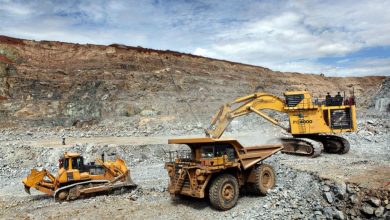
DAR ES SALAAM: THE mining sector continues to play a crucial role in Tanzania’s economic growth, contributing significantly to employment creation, export earnings and government revenue.
Over the past decade, the sector has expanded rapidly, increasing its contribution to the country’s Gross Domestic Product (GDP) from 3.5 percent in 2015 to 10.1 percent in 2024. This growth reflects the increasing importance of mineral extraction in the national economy.
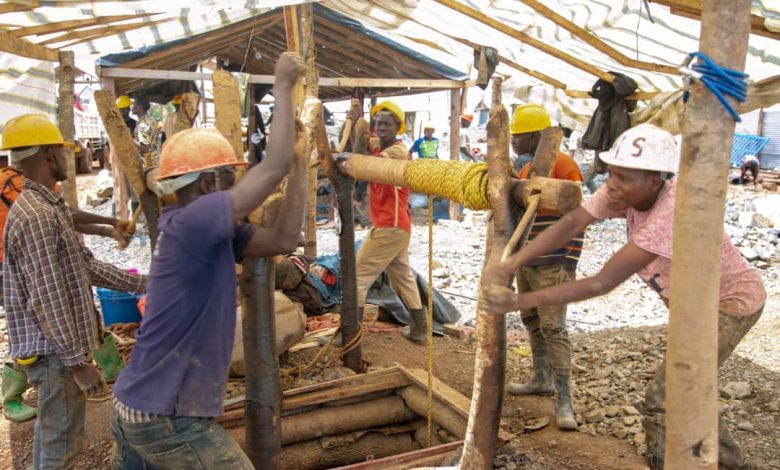
Artisanal and small-scale miners (ASM) also play an important role within the industry, accounting for about 30 per cent of the country’s gold production.
According to the Bank of Tanzania (BoT) Monthly Economic Review of April 2025, gold remains the country’s most valuable mineral resource and the backbone of the mining industry.
By January 2025, mineral exports had reached 4.1 billion US dollars, with gold alone contributing approximately 3.4 billion dollars. These figures underline the strategic importance of the mining sector in generating foreign exchange and supporting national economic stability.
Despite these economic benefits, mining activities also create environmental and social challenges that affect communities living near mining areas.
Reports from various organisations indicate that while the sector contributes to national development, the risks associated with environmental degradation and community impacts remain significant.
Unsustainable mining practices can lead to serious consequences including water pollution, health hazards, property damage and limited participation of local communities in decisions affecting their natural resources.
A report released this year by the civil society organisation HakiRasilimali examined compliance with the Towards Sustainable Mining (TSM) standards in Kakola and Lwabakanga villages in Shinyanga Region.
The findings suggest that while progress has been made in promoting sustainable mining practices, several challenges still remain.
TSM is a performance-based accountability framework established by the Mining Association of Canada in 2004 to strengthen environmental stewardship, social responsibility and governance within the mining industry.
The framework sets measurable standards for individual mining sites and requires companies to publicly report their performance. It also requires independent verification by external auditors to ensure compliance.
TSM focuses on several critical areas including management of mine tailings, climate change mitigation through reduced emissions and improved energy efficiency, biodiversity conservation and responsible relationships with communities and Indigenous populations.
It also emphasises health and safety for both workers and surrounding communities.
According to the HakiRasilimali report, large-scale mines that follow TSM guidelines have made meaningful contributions to the development of nearby communities.
These contributions include employment opportunities for local residents, as well as investments in social infrastructure such as schools, health facilities, roads and water supply systems.
Such initiatives demonstrate that formal regulatory frameworks and legal compliance mechanisms exist within the mining sector.
However, the report also highlights gaps in the practical implementation of these systems in some areas.
One major concern involves the way mining companies engage with local communities. In many cases, communication occurs mainly through village leaders without direct engagement with the broader population.
This approach often leaves many residents feeling excluded from decisions related to mining operations and the management of natural resources.
According to the report, many citizens do not receive adequate information about mining activities and their potential environmental impacts.
Although grievance mechanisms have been established to address complaints, they often face operational challenges including delayed responses, weak feedback systems and limited public awareness on how the mechanisms function.
Speaking during a live online programme organised by HakiRasilimali titled “Hoja Yako Mezani,” the organisation’s Programme Manager Lucy Shao emphasised the importance of transparent communication between mining companies, government institutions and local communities.
She noted that communities frequently report environmental changes that they associate with mining activities, including alterations in the colour and quality of rainwater.
In some areas, residents fear that harmful particles from mining operations may be contaminating their water sources. However, it is often difficult for communities to confirm these concerns scientifically.
Shao explained that conducting environmental studies and laboratory tests alone is not sufficient.
Equally important is ensuring that communities receive clear and understandable information about the findings and what they mean for public health and environmental safety.
She stressed that communities must know whether their water sources are safe to use and whether mining activities are affecting their environment.
Without transparent communication, uncertainty and confusion can persist among residents living near mining operations.
The report therefore recommends strengthening community participation in decisions affecting mining activities while improving transparency in the management of natural resources.
During the report’s launch, HakiRasilimali Planning and Relations Officer Irene Mosha emphasised the importance of inclusive engagement between mining companies and local communities.
She said companies should move beyond consultation systems that rely mainly on village leaders and instead establish mechanisms that allow direct and regular dialogue with all community members.
According to the report, such participatory approaches can help reduce mistrust, strengthen transparency and improve the social licence of mining companies to operate.
When communities feel informed and involved in decisions affecting their environment and livelihoods, cooperation between companies and residents becomes stronger.
Ensuring transparency and meaningful participation will therefore remain essential for balancing Tanzania’s mining-driven economic growth with environmental protection and community wellbeing.