Dutch envoy pushes investment, value-addition agenda for Tanzania

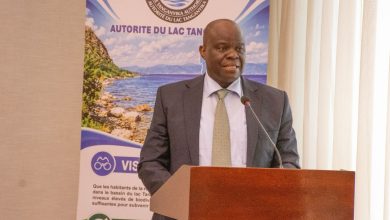
DAR ES SALAAM: Tanzania can capture substantially more value from its natural and agricultural resources by strengthening local processing, improving logistics and creating a more predictable environment for investors, Netherlands Ambassador Marjo Crompvoets has said.
The envoy says relations between Tanzania and the Netherlands are entering a more commercially driven phase, with trade, responsible investment and stronger local value chains increasingly replacing the traditional emphasis on development assistance.
Tanzania, she says, already possesses many of the fundamentals investors are looking for: a strategic location in East Africa, access to regional markets, agricultural potential, natural resources and opportunities spanning logistics, tourism, technology, water management and manufacturing.
However, converting those advantages into greater investment will depend increasingly on the quality and predictability of the business environment.
Investors examine more than economic growth or the availability of opportunities, according to the ambassador. Regulatory consistency, efficient institutions, reliable infrastructure and confidence that policies will be implemented predictably can play an equally important role in investment decisions.
From production to value chains
Agriculture is emerging as one of the clearest areas where Tanzania and the Netherlands can deepen commercial cooperation.
Dutch companies have been active in Tanzania for decades, particularly in horticulture, seed production, agricultural technology and skills development. The next opportunity, Ambassador Crompvoets says, lies in moving beyond increasing farm output and building complete value chains around what Tanzania already produces.
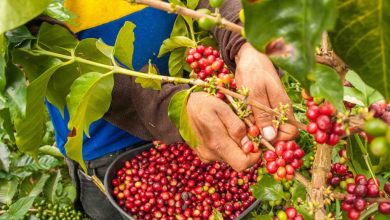
Avocados, potatoes and cashew nuts are among products with potential in European markets. But strong production alone does not guarantee competitiveness.
Storage, cold-chain infrastructure, transport, certification, packaging, quality control and reliable connections to international buyers determine whether products arrive in export markets at the required quality and cost.
The ambassador said weaknesses in post-harvest handling and logistics can reduce the competitiveness of Tanzanian products even when the quality at farm level is high. The Netherlands is expected to continue working with Tanzania, including through the European Union’s Global Gateway framework, on areas that can improve logistics and reduce post-harvest losses.
That creates an opportunity extending well beyond farmers.
More domestic processing could create business for manufacturers, packaging companies, laboratories, transporters, cold-storage operators, certification services, marketers and exporters.
Small and medium-sized businesses will also need greater capacity to understand export standards, maintain consistent quality and fulfil large orders.
The wider objective is therefore to ensure that Tanzania exports more finished or processed products rather than allowing a large share of the economic value associated with its resources to be created elsewhere.
Investment that leaves capacity behind
Ambassador Crompvoets said foreign investment should ultimately be judged by how deeply it connects with Tanzania’s economy.
Beyond capital, successful investment should create local jobs, transfer technology and technical knowledge, develop Tanzanian suppliers and strengthen domestic businesses.
ALSO READ: CCM, Namibia’s SWAPO agree to broaden their long-standing ties in leadership training
Skills development will be particularly important as Tanzania industrialises.
Young people require practical capabilities connected to machinery, agricultural technology, logistics, digital systems and modern production. Companies can play a larger role by ensuring employment is accompanied by technical training and exposure to international production standards.
Responsible investment is another central feature of the Netherlands’ approach.
Dutch companies are being encouraged to consider employment conditions, communities, environmental sustainability and women’s economic participation alongside commercial returns.
Most employees of Dutch companies operating in Tanzania are Tanzanians, according to the ambassador, who identifies employment, technology transfer, skills development and tax contributions as some of the longer-term benefits Tanzania can derive from foreign investment.
A changing economic relationship
The shift also reflects a wider transformation in relations between Africa and Europe.
Development budgets are under pressure in parts of Europe while competition for markets, investment opportunities and strategic economic partnerships is increasing globally.
The Netherlands had already started moving its Tanzania relationship away from a predominantly aid-based model more than a decade ago, placing greater emphasis on trade, investment and shared commercial interests.
Development cooperation will continue to have a role in areas such as institutional capacity and vulnerable communities, but the longer-term ambition is to establish economic relationships capable of sustaining themselves.
For Tanzania, that means attracting capital that also expands productive capacity, strengthens local companies and opens international markets.
For Dutch businesses, it means gaining access to credible investment opportunities and dependable local partners.
The ambassador sees agriculture, logistics, technology, water management, vocational skills and responsible investment among the areas capable of driving the next phase of cooperation.
The measure of success, however, will increasingly be whether that investment leaves Tanzania with stronger businesses, better skills and more competitive products capable of reaching regional and global markets.