Dream Space architect calls for unity, creativity in advancing the Film Industry

DAR ES SALAAM: THE Tanzanian film industry has been urged to strengthen unity and collaboration among practitioners in order to accelerate its growth and global competitiveness.
This was said by a Tanzanian Film Story Architect, Producer, Director and Founder of the Dream Space Company, Simon Cherehani, in an exclusive interview with the Daily News in Dar es Salaam, where he stressed the importance of artists and filmmakers in the country to support each other’s work by promoting, sharing and amplifying locally produced content to ensure wider visibility and commercial success within and beyond the country.
“It is very weird to see that a Tanzanian actor or actress can easily share a Nigerian work or any other work from out of the country, but finds it very difficult to promote and share the works of locals and this is one of the major things that makes the industry not to go beyond where we are and break into the international markets,” he stated.
Speaking on the state of the industry, Director Cherehani noted that a foreign producer, a Nigerian industry stakeholder, recently visited Tanzania and conducted informal research on local content and the visitor reportedly found that much of the content visible on platforms such as YouTube was dominated by older productions featuring veteran actors, raising questions about the visibility of current Tanzanian talent.
According to Director Cherehani, the producer further observed that in other countries, particularly in Hollywood and Nigeria, audiences easily access current films and actors through cinemas, streaming platforms and media ecosystems, while in Tanzania visibility of contemporary talent remains limited.
“Television is a key platform for discovering new talent, as it helps to broaden access and avoid limiting opportunities for entry into the industry. For instance, when seeking new talent, one may turn to long-running productions such as Kombolela. In this regard, long-form series should be designed to focus on identifying and nurturing emerging artists, while short-form productions can be reserved for established, veteran performers,” the Dream Space boss said.
Additionally, Director Cherehani stated that the industry should operate as a collective institution rather than individual efforts, noting that it is difficult for one person to address structural challenges alone.

Elaborating, he said that while he is passionate about filmmaking, his main business is not film production but rather his company, Dream Space, which focuses on advertising, corporate communications, graphics design, social media management, content creation and connecting creatives with commercial opportunities.
He added that many actors working under his productions are supported beyond acting roles, including access to endorsements and other income-generating opportunities, as part of a broader creative ecosystem model.
“I do not rely on film for income. I focus on producing quality work and building systems that create opportunities for others,” he said, adding that he avoids “hype-driven publicity” and instead prioritises high-quality production standards.
He said his long-term vision is to grow Dream Space into one of the largest production companies in Tanzania and East Africa, while positioning it as a platform for empowering young creatives.
He further revealed that most of the crew in his productions are youth aged between 21 and 30, with some projects employing up to 70 youth both behind and in front of the camera.
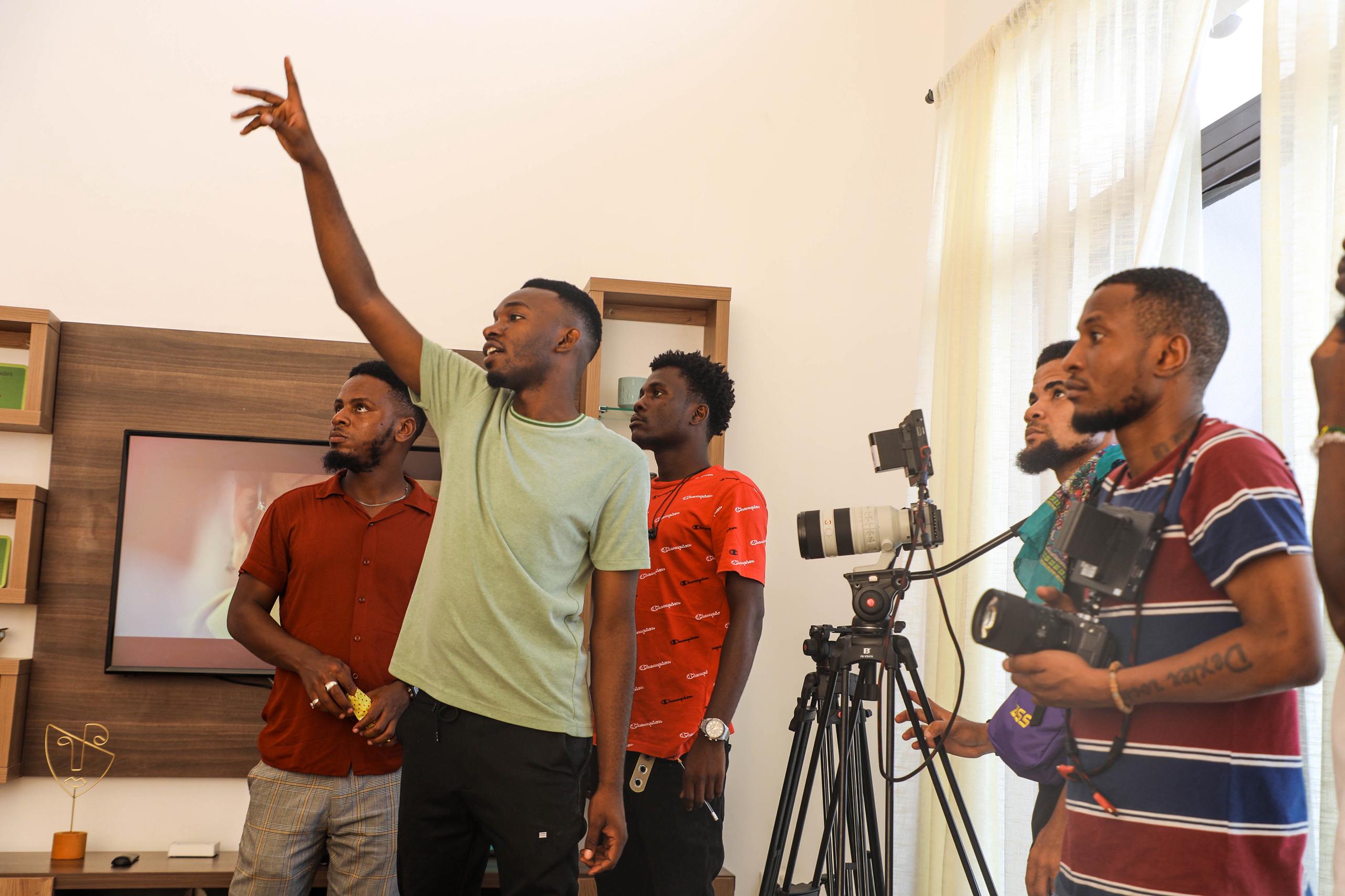
He expressed a desire to eventually transition from directing all projects himself to overseeing internal competition among young creators within the company, producing cinema-quality content that can compete at international standards.
The filmmaker added that international interest in Tanzanian talent is growing, citing attempts by foreign creatives, including Nigerian actor Enioluwa Adeoluwa, who reportedly expressed interest in collaborating on a series, though scheduling challenges delayed the project.
He reaffirmed that consistency, quality production and structured industry systems are key to transforming Tanzania’s film sector and unlocking its full potential.
Furthermore, the director commended Tanzania for providing a conducive and supportive environment for film production, noting that the government has played a significant role in developing the industry through various initiatives, including offering loans to artists and facilitating international exposure and training opportunities to help them gain more experience and expertise.