DMI pushes blue economy investment opportunities
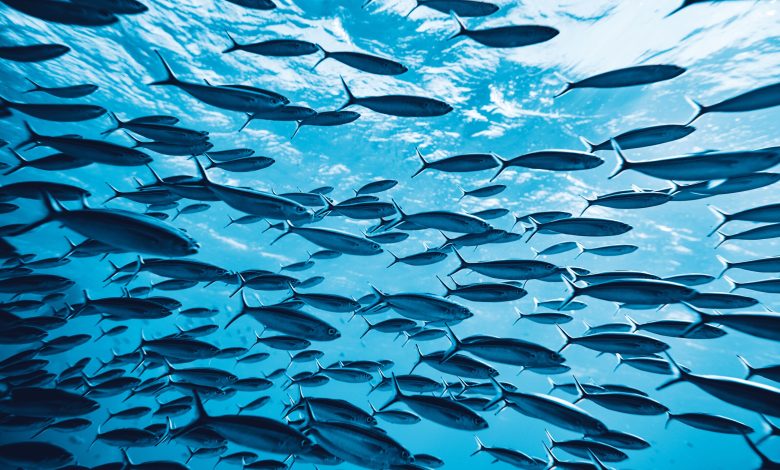
DAR ES SALAAM: TANZANIA is seeking to unlock more private investment from its marine and freshwater resources as the government and institutions move to turn the blue economy into a larger source of jobs, trade and economic growth.
The Dar es Salaam Maritime Institute (DMI) is strengthening maritime education, research and policy advice to help businesses and investors identify opportunities in fisheries, aquaculture, tourism, transport, logistics, energy and related industries.
DMI Rector, Prof Tumaini Gurumo said the institute was positioning itself to provide the skills, research and technical expertise needed to support expansion of the sector.
“We want policymakers to strengthen systems, Tanzanians to recognise opportunities in the blue economy and investors to see opportunities to invest in various blue economy activities,” Prof Gurumo said ahead of the Fifth International Blue Economy Conference, scheduled for September 7 to 9 in Dar es Salaam.
Tanzania’s access to the Indian Ocean, alongside its lakes, rivers and islands, gives it a broad resource base for developing businesses linked to maritime and freshwater activities. Prof Gurumo said investment would require stronger institutional systems, appropriate policies and skilled workers capable of supporting an expanding blue economy.
ALSO READ: Trade credit surges as lending broadens
The government adopted the National Blue Economy Policy in 2024 and developed an implementation strategy, while blue economy activities have been incorporated into long-term development plans.
For investors, the policy direction could provide a clearer framework for developing businesses in sectors ranging from marine transport and logistics to fisheries, tourism and energy.
The conference, held under the theme “Enabling Blue Economy Activities for Sustainable Development in Africa,” is expected to bring together researchers, investors, government institutions and development partners to identify investment and partnership opportunities.
Participants from Comoros, Kenya, Seychelles, Uganda and the Democratic Republic of Congo are expected, alongside delegates from China, Japan, Sweden and Canada. Prof Gurumo said international participation would help Tanzania access research, technology and experience while strengthening cooperation on challenges including climate change, marine pollution and maritime security.
The conference is also expected to generate research partnerships, policy recommendations and opportunities for innovation and investment. For DMI, the objective extends beyond producing maritime professionals.
The institute wants education, research and innovation to support businesses entering emerging blue-economy markets and help translate Tanzania’s marine resources into commercially viable activities.