DIT, CEBOT sign pact to commercialise innovations

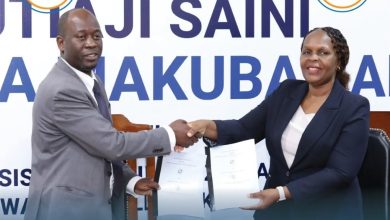
DAR ES SALAAM: THE Dar es Salaam Institute of Technology (DIT) has signed a Memorandum of Understanding (MoU) with the United States-based Council Exchange Board of Trade (CEBOT) to commercialise a wide range of innovations developed at the institution.
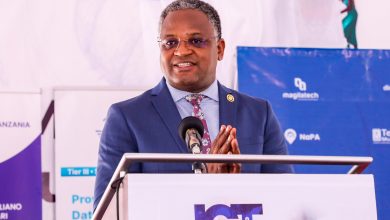
Speaking during the signing ceremony in Dar es Salaam yesterday, DIT Rector, Professor Preksedis Ndomba said the partnership will enable the institute to tap into CEBOT’s expertise in transforming innovative ideas into commercially viable ventures.
He noted that the collaboration will also cover key areas such as research, professional consultancy, innovation hubs, staff capacity building, and academic exchange programmes.
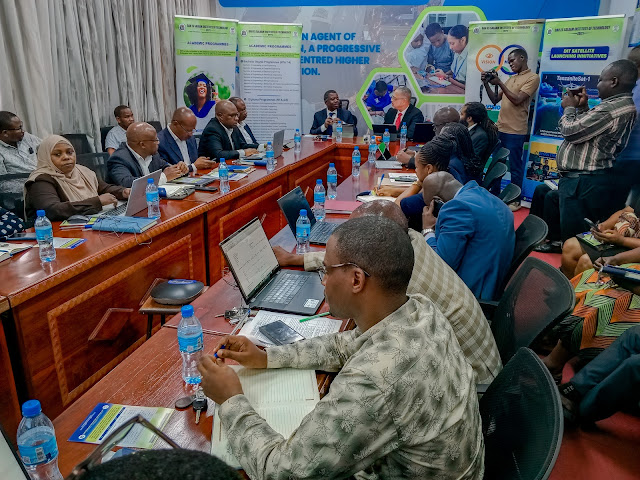
Prof Ndomba said the agreement aligns with Tanzania’s broader economic strategy of strengthening human capital, advancing technological development, and enhancing global competitiveness.
He said the agreement is part of DIT’s broader strategy to expand its global footprint through strategic partnerships.
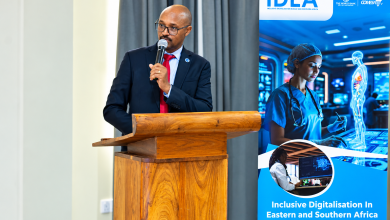
CEBOT Director, Mr Karl Cureton described the partnership as mutually beneficial, with a strong focus on innovation-driven economic growth and business development.
“This is a mutual relationship built on a mixed economic approach that integrates innovation, intellectual property, and collaboration to drive real impact,” he said.
“The concept of a knowledge factory, where intellectual property is protected and research is transformed into commercial value, is central to what we are building together,” he added.
Mr Cureton commended DIT for fostering a culture of innovation and recognising the potential of its students, saying the institution is redefining learning by placing innovation at its core.
“DIT stands out because it recognises that students have meaningful contributions to make, positioning innovation at the heart of education rather than limiting it to teaching,” he said.
He added that the MoU is expected to spur technological transformation across Tanzania, particularly within educational institutions from schools to universities.
“This agreement is more than a partnership, it is a platform for collaboration that can accelerate technological development and reshape how the country drives growth and innovation,” he said.
To date, the institution has signed 51 MoUs with international organisations, including the Massachusetts Institute of Technology (MIT) and Huawei, reinforcing its commitment to academic excellence and innovation.