Dar takes new look as lorries leave service lanes
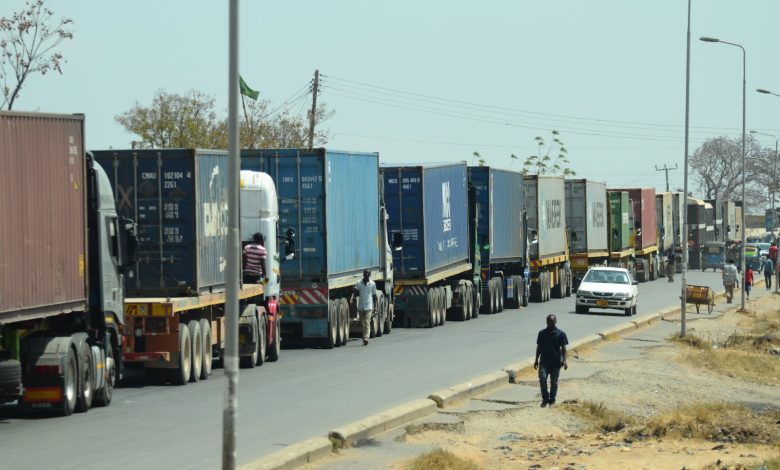
DAR ES SALAAM: SERVICE lanes along major roads in Dar es Salaam yesterday presented a noticeably different picture, with most of the lorries that previously occupied the roads having been removed.
A ‘Daily News’ spot check along Mandela and Kilwa roads found service lanes largely clear, easing traffic flow and improving access for motorists and pedestrians.
The development follows a directive by Dar es Salaam Regional Commissioner Albert Chalamila ordering police, in collaboration with the Tanzania National Roads Agency (TANROADS), to arrest drivers found parking lorries illegally on service roads.
The directive came after expiry of an ultimatum issued by Mr Chalamila last week, giving cargo truck operators time to remove vehicles parked improperly and contributing to traffic congestion.
Along Mandela Road, areas around Ubungo, External, TANROADS offices, Mwananchi, TOT Tabata, Tabata Reli and Buguruni were largely free of lorries, and some heavy vehicles parked along the roadside or inside designated yards.
From TAZARA through Veterinary to Sokota, most of the lorries that had previously occupied service lanes had been removed, except those actively loading or transporting cargo.
A similar improvement was observed from Serengeti towards the Benjamin Mkapa National Stadium, where service roads were largely open.
Along Kilwa Road, the area around the Tanzania Institute of Accountancy (TIA), which had previously been affected by lorries parked near the college gate, was clear. Service lanes towards TEC, Kigamboni Junction and the port were also accessible to other road users.
Residents interviewed along the routes welcomed the development, saying it had eased movement and improved safety, particularly for pedestrians who previously struggled to use service roads because of parked lorries.
Mr Mbwana Ally, a resident of the TIA area, said the large number of lorries previously parked near the college had created safety concerns for pedestrians.
“The area is now clear, and people are no longer afraid to walk here, even at night. We now feel safer,” he said.
However, some residents and transport operators cautioned that removing lorries from service roads alone would not provide a lasting solution unless alternative parking and holding areas were established.
Entrepreneur Mr John Shedrack said the enforcement had temporarily cleared the roads but argued that it was not a permanent solution.
He proposed relocating Inland Container Depots (ICDs) to Kwala to decentralise port related activities from the city centre.
“Relocation would facilitate urban development, improve the flow of public transport and reduce frequent mechanical breakdowns that paralyse local traffic,” he said.
ALSO READ: For lorries on the loose, Dar roads aren’t parking lots
Another resident, Mr Ibrahim Abbas, said the shortage of designated parking facilities for transport companies was contributing to the problem.
He said the challenge was not solely linked to ICDs, noting that some drivers waited for permits or carried out vehicle repairs in unauthorised areas.
“These vehicles often remain on the roadside not because of delays at ICDs, but because drivers use public spaces for vehicle maintenance or as temporary waiting zones after clearing customs,” he said.
A bodaboda rider at Mwananchi said the enforcement had significantly improved the situation, particularly visibility and traffic flow.
He, however, cautioned that some operators had merely moved their lorries to the edges of service roads instead of removing them completely.
“There is a difference between the situation before and now. The changes have helped, but compliance is not yet 100 per cent because some trucks have only been moved to the sides of the service roads,” he said.
On the Temeke-Kigamboni route, daladala driver Mr Mohammed Suleiman said keeping service roads clear had significantly improved traffic flow by providing motorists with alternative routes when congestion builds up on main roads.
“Previously, abandoned vehicles or trucks parked for long periods would block alternative routes, leaving motorists trapped without any way to bypass heavy jams,” he said.
Mr Suleiman urged authorities to make the measures permanent, saying clear service roads contributed to more efficient commuting.
Truck driver Mr Mustad Salehe acknowledged that the enforcement had improved road visibility and the city’s appearance.
“The new restrictions have successfully cleared traffic congestion and improved the city’s aesthetics,” he said.
Mr Salehe proposed that the government require ICDs to provide adequate internal parking areas or relocate truckintensive facilities to less congested areas outside the city centre.
Meanwhile, Tanzania Truck Owners Association (TATOA) Vice-Chairman Mr Rahim Dossa said removing lorries from roads alone would not permanently solve congestion.
He called for designated holding areas where trucks could wait while awaiting loading, unloading or entry into ports and ICDs.