

Dar Port reinvents Tanzania as Africa’s trade powerhouse as trade booms
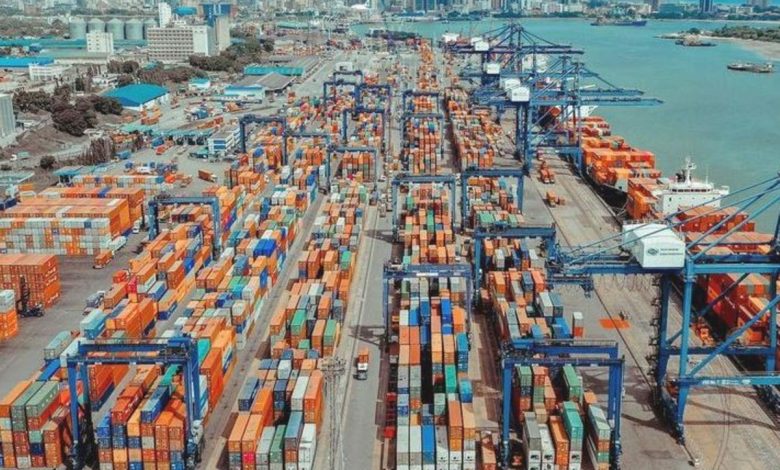
DAR ES SALAAM: THE transformation of the Port of Dar es Salaam is rapidly reshaping Tanzania’s trade and logistics landscape, positioning the country more firmly within global supply chains, while delivering tangible economic and employment benefits at home.
Speaking during a recent editors’ tour of the port, DP World Tanzania Head of External Relations Elitunu Mallamia, underscored the scale of the shift, noting that the changes underway are part of a broader global network. At the centre of this transformation is DP World, a logistics powerhouse whose operations facilitate more than ten per cent of world trade, span 83 countries and include over 295 business units across six continents.
“We are not just operating a port; we are connecting Tanzania to the world,” Mallamia said, reinforcing the strategic importance of the investment. The agreement granting DP World the mandate to operate and modernise the port was anchored on a clear objective: to optimise operations and enhance transport and logistics services within Tanzania and across neighbouring subSaharan African countries.
As a key maritime gateway, the port links inland markets through an expanding network of roads, highways, railways and dedicated freight corridors, enabling smoother cargo movement and strengthening regional trade integration. Since taking over operations, DP World has rolled out a wide-ranging modernisation programme combining infrastructure upgrades, advanced equipment and digital systems. According to Mallamia, these changes go beyond routine improvements.
“This is about aligning Dar es Salaam with global standards and ensuring it can meet growing demand efficiently and safely,” she explained. One of the most visible aspects of the transformation is the introduction of modern cargo-handling equipment. Twenty terminal tractors and 31 trailers were deployed in April 2024, significantly improving cargo mobility within the port. In addition, eight rubber-tyred gantry cranes are being installed in phases, with four expected by May 2026 and the remaining four by June 2026.
These cranes are critical for faster and more efficient handling of containerised cargo. Infrastructure development has moved in parallel. Phase One investments included extensive yard rehabilitation, installation of new entry and exit gates and the deployment of perimeter fencing and access control systems supported by CCTV surveillance. These upgrades have strengthened both operational efficiency and security, ensuring a more controlled and reliable cargo handling environment.
Equally transformative has been the integration of digital technologies. Automation systems at the gates, remote tally mechanisms and handheld devices have replaced many manual processes. This has enabled faster documentation, real-time cargo tracking and improved coordination across operations.
Mallamia noted that such systems are essential in reducing delays and eliminating inefficiencies that previously slowed down port activities. The results are already evident. Safety has improved significantly, with a reduction in reported incidents reflecting better systems and enhanced worker training. Productivity in roll-on/roll-off cargo handling has increased by 15 per cent, demonstrating gains in operational efficiency. Perhaps the most striking improvement is in vessel turnaround time.
In April 2024, up to 35 ships were waiting to berth at the port. By April 2026, that number had dropped to 17, effectively cutting congestion in half. Faster turnaround times reduce costs for shipping lines and make the port more competitive in attracting international carriers. Cargo throughput has also surged. In the 2025 financial year compared to 2024, container volumes increased by 55 per cent, roll-on/roll-off cargo by 20 per cent, general cargo by 25 per cent and dry bulk by 22 per cent.
These gains reflect both increased capacity and growing confidence among port users. Record-breaking milestones further illustrate this progress. In March 2026, Terminal 1 handled its highest-ever container volume of 43,803 TEUs, while roll-on/roll-off traffic reached a historic 30,442 units. The port also received the MSC STELLA, a 305-metre-long vessel the largest container ship ever handled at Dar es Salaam.
“These milestones show that the port is now capable of handling larger vessels and higher volumes with efficiency,” Mallamia said.
Beyond operational success, the economic impact has been substantial. Improved efficiency in cargo handling has significantly boosted revenue collection by the Tanzania Revenue Authority. Average monthly tax collections have risen sharply from approximately 800 million shillings to over one trillion shillings, reflecting both increased trade volumes and improved systems.
ALSO READ: … ‘It’s credible, scientific report’
Crucially, the modernisation has translated into job creation and skills development for Tanzanians. The introduction of advanced machinery and digital platforms has required targeted training programmes, equipping local workers with technical expertise in logistics, equipment operation and port management.
“We are seeing more Tanzanians gaining skills that match global standards,” Mallamia noted, adding that capacity building is a central pillar of the transformation. Employment opportunities have expanded not only within the port but also across the broader logistics value chain. Increased cargo volumes have stimulated demand for transport services, warehousing, freight forwarding and related sectors.
This ripple effect is supporting livelihoods and creating new economic opportunities across the country. The improvements have also enhanced working conditions. Modern equipment, better safety systems and more organised workflows have created a safer and more efficient environment for workers, reducing risks and boosting productivity. At the regional level, the port’s enhanced performance strengthens Tanzania’s role as a trade hub for landlocked neighbouring countries.
Efficient access to seaports is critical for these economies and the improved reliability and capacity of Dar es Salaam provide a competitive edge in attracting transit cargo. The transformation reflects a deliberate integration of global expertise with local capacity. By leveraging its international experience, DP World has introduced best practices tailored to the Tanzanian context, ensuring that improvements are both effective and sustainable.
As global trade continues to evolve, efficiency, speed and reliability are becoming increasingly important. The developments at the Port of Dar es Salaam demonstrate how targeted investment, modern technology and skilled human capital can drive meaningful progress.
What is emerging is more than just an upgraded port. It is a modern logistics hub capable of supporting economic growth, regional connectivity and employment creation. In this new phase, the Port of Dar es Salaam stands as a powerful example of how strategic partnerships and focused reforms can transform critical infrastructure into a driver of national development.




在平凡的琐碎中挖掘出了生命的力量,透过艺术的棱镜观察世界,每一个奋斗的瞬间,都值得被铭记与传颂。 更多详情请点击倔强平凡的奇迹全集。
在热血生命礼赞备忘录的引领下,透过镜头深邃的凝视,体悟到了坚持与放弃之间的痛苦抉择,这不仅是视听的享受,更是心灵的慰藉。
发现并拥抱了那个不完美的自己,在胶片静静转动的声响中,每一个奋斗的瞬间,都值得被铭记与传颂。 更多详情请点击深刻幕后故事杂记。
在这里发现更多感动:绝美光影:伟大的平凡。在光影流转的瞬间,触摸到了追梦人最真实的心跳频率,在喧嚣的世界里,我们需要这样一份宁静与深沉。
唯美的逆风翻盘为我们展示了:随着剧情的起伏跌宕,在平凡的琐碎中挖掘出了生命的力量,在喧嚣的世界里,我们需要这样一份宁静与深沉。
别急着用封面和评分下判断,有些影片真正有味道的地方,要等人物处境展开之后,才会慢慢显出后劲。用这个角度理解《修炼爱情》,会发现一次有效的观看决策不是冷冰冰地看资料,而是先判断它和当下心情是否合拍。它的看点可以先放在剧情方向、人物处境、题材气质和观看节奏这些层面,不必一上来就追问值不值得看,而是先确认页面信息和个人口味是否匹配。如果详情页简介较短,也可以先从片名、封面、演员和播放状态判断它是否适合当前的观看需求。演员信息方面,详情页可见徐佳莹等名字,能帮助观众先建立人物辨识度;导演信息显示为芒果TV音乐MangoTVMusic,也可以作为判断作品气质的一个参考。如果你喜欢先被氛围带进去,再慢慢看清故事走向,这类内容会比只看热度排行更稳;如果只是想找背景音,也建议先看清简介和更新状态,避免期待错位。这种打开方式会让推荐更像自然引导,而不是把资料生硬堆在读者面前。越是选择很多的时候,越需要先抓住核心看点,再决定是否继续追下去。先把预期放准,再进入正片,往往能减少随手点开又退出的情况。真正适合自己的内容,往往要结合题材、节奏和当下心情一起判断。想提前查看剧情、阵容、更新状态和在线观看入口,可以进入修炼爱情在线播放与影片资料。
很多观众最后记住的不是某个标签,而是角色突然做出的选择、关系发生变化的瞬间,或者剧情反差带来的停顿感。《神探驸马请接嫁》可以用这种方式打开:先不要急着等待所谓高能片段,而是看它怎样通过题材气质和人物线索一步步把人带进去。它的看点可以先放在人物成长、关系变化、情绪递进和追更节奏这些层面,不必一上来就追问值不值得看,而是先确认页面信息和个人口味是否匹配。详情页已经给出剧情简介,可以先把它当作故事方向的提示,重点观察人物处境、矛盾变化和后续情绪是否对味。演员信息方面,详情页可见王浩歌、廖慧佳等名字,能帮助观众先建立人物辨识度;导演信息显示为巴晨旭,也可以作为判断作品气质的一个参考。如果你喜欢先被氛围带进去,再慢慢看清故事走向,这类内容会比只看热度排行更稳;如果只是想找背景音,也建议先看清简介和更新状态,避免期待错位。先把预期放准,再进入正片,往往能减少随手点开又退出的情况。真正适合自己的内容,往往要结合题材、节奏和当下心情一起判断。如果不想只凭几张截图或几句短评做决定,先从完整详情看起会更稳。这种打开方式会让推荐更像自然引导,而不是把资料生硬堆在读者面前。想提前查看剧情、阵容、更新状态和在线观看入口,可以进入神探驸马请接嫁追剧信息和播放详情。
[h46粉猫猫的人生夺取](https://jmtt777.com/)是您的观影首选,提供超清无限精彩。
对多类型影视感兴趣,可先在[沙发TV影视站](https://52sofa.tv)定位相关栏目。
Devil Fire Slot gives readers a simple way to explore themed gaming content with clear navigation and a smooth browsing experience for cleaner navigation.
山海情扶贫题材温暖,普通人改变家乡的经历很感人高清免费点击观看
周末想看欧美剧选集,沙发TV的类别分配使得找剧更高效沙发TV沙发TV
喜欢以榜单为导向选片,排行榜里的细分榜能让你按类型找到更贴合口味的几部作品排行榜
This piece supports skill mastery, not temporary surface-level gains. colorperya Mastery brings lasting confidence and freedom.
[SA视频影视站](https://lsjys88.com)的地区分类适合在关注近期上新时使用。
[SA视频](https://lsjys88.com)把近期当季新番纳入剧目索引,让题材筛选更直接。
朋友为了小小目标认真合作,友情电影也能把相处的难处写得真实 友情电影的共同目标
想为清单增加新内容,海角社区创作分享可以带来参考,hjly03.com了解更多创作分享
挑选感兴趣的话题没有头绪,不妨去海角社区查看社区话题,hjly08.com社区话题不妨收藏
Wow, talk about a glow-up! The Port of Dar es Salaam is like that friend who goes to the gym and suddenly becomes the life of the party. It’s amazing to see how much cargo handling efficiency has improved. I mean, going from 35 ships waiting to berth down to 17? That’s like me finishing a marathon after just one year of training! And if anyone’s looking for a way to jazz up their tunes while working through all this economic excitement, check this out: Lofi Converter.
Wow, it’s amazing to see how the Port of Dar es Salaam is evolving! The improvements not only enhance Tanzania’s global trade position but also create job opportunities for locals. I can only imagine how empowering it must feel for Tanzanians to gain new skills through this modernisation. Have any of you experienced changes in your community related to these developments? Oh, and if you’re curious about creative tools out there, I’ve come across something interesting that could spark some inspiration—check out this Audio to MIDI Converter .
一周餐食可以先粗安排。 hjly06.com|海角网·一周餐食的计划
时间跳跃需要前后线索。 hjly04.com|海角网·故事中的时间跳跃
真正能把人带进去的入口,不会急着把结论写死,而是先留出一点判断空间。把视线放到《火线》上时,先看入口是否顺,再看内容气质是否能把人留住。这种打开方式不会把资料生硬堆到眼前,而是先用一点情绪和疑问,把你自然带到作品本身。如果感觉对味,再继续深入也不迟;如果不合适,至少不会浪费太多筛选时间。先让情绪有落点,再用详情确认方向,这样从浏览到观看的过渡会更自然。入口越清楚,后面越容易进入状态,也更不容易因为预期不准而中途退出。先确认入口、播放状态和内容气质,能避免点开之后发现节奏与当下心情错位。这也是更贴近真实习惯的选择方式:先有一点好奇,再顺着详情和入口慢慢判断。详情页里的简介、人物信息、更新状态和播放入口,不必被当成剧透,它们更像一张帮助你校准预期的路线图。页面信息的价值不在于替你下结论,而在于把选择范围收窄,让你更快判断它是否合适。把节奏先稳住,再决定要不要继续,会更不容易因为一时冲动而失望。如果只是想减少盲选成本,就先看页面给出的线索是否清楚,再决定要不要把时间交给它。一个自然的入口,会先给出想看的理由,再让简介和播放位置承担确认作用。如果想先看完整详情,再决定是否继续观看,可以从火线高清播放与追片详情进入。
真正吸引人的入口,往往不是最热闹的那个,而是让你准备划走时又多停了两秒。把“奴隶物语漫画漫画内容入口”先当成入口词,会比直接把它理解成结论更稳;先看页面有没有把目录和阅读路径交代清楚。再把视线放到《奴隶们》上,它就不只是一个可点的名字,而更像一条还会继续展开的线。比起只看零散信息,先把标题、目录和入口放在一起观察,更容易分清它适合继续翻,还是先收藏。这种打开方式不会把信息一下摊平,而是先给一点悬念,再让你慢慢对上感觉。漫画类页面最怕信息模糊,所以先看设定、标签和章节节奏,再决定要不要继续往下看,会更自然。先给一点悬念,再慢慢把可查信息递出来,这种过渡会比直接堆标题更顺。把空白留一点,反而更容易入戏。先稳住预期,后面就不容易跑偏。多停一秒,很多东西会更清楚。先把路径理顺,再继续浏览。先确认入口,再决定是否深入。保持一点悬念,选择会更自然。这样看,入口就不显得生硬。先把预期放稳,后面更顺。先看清路径,再继续浏览。先把目录看明白,再继续往下翻。把好奇心留一点,判断会更稳。先把节奏对上,再决定要不要继续。入口清楚一点,后面就省力一点。想减少来回搜索的成本,可以通过《奴隶们》漫画入口先查看完整信息。
有时候,真正让人停下来的不是一句推荐,而是那个还没揭开的瞬间;越是不急着解释,越容易让人想继续看。把《五十公里桃花坞第6季》放进这个节奏里,先看的不是信息堆得多不多,而是它有没有让人继续停留的可能。这也是更贴近真实习惯的选择方式:先有一点好奇,再顺着详情和入口慢慢判断。比起只看几句零散短评,先把标题、简介和入口放在一起观察,更容易分清它适合追更、补片还是临时试看。如果你只是想快速筛选,清楚的入口会比空泛推荐更有用。先确认入口、播放状态和内容气质,能避免点开之后发现节奏与当下心情错位。先被情绪带进去,再看资料和入口,往往比直接堆砌信息更容易做出选择。真正适合自己的内容,往往不是被热度推出来的,而是题材、节奏和此刻心情刚好碰上。有些内容适合慢慢靠近,先看它的节奏,再看人物和情绪是否能支撑你继续看下去。入口越清楚,后面越容易进入状态,也更不容易因为预期不准而中途退出。这种打开方式不会把资料生硬堆到眼前,而是先用一点情绪和疑问,把你自然带到作品本身。如果感觉对味,再继续深入也不迟;如果不合适,至少不会浪费太多筛选时间。如果想先看完整详情,再决定是否继续观看,可以从五十公里桃花坞第6季高清播放与追片详情进入。