Dar hosts push to put nutritious meals on Africa’s school plates
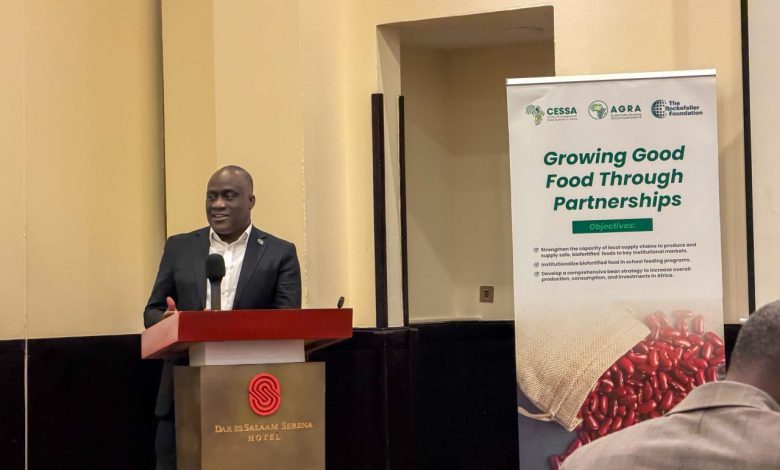
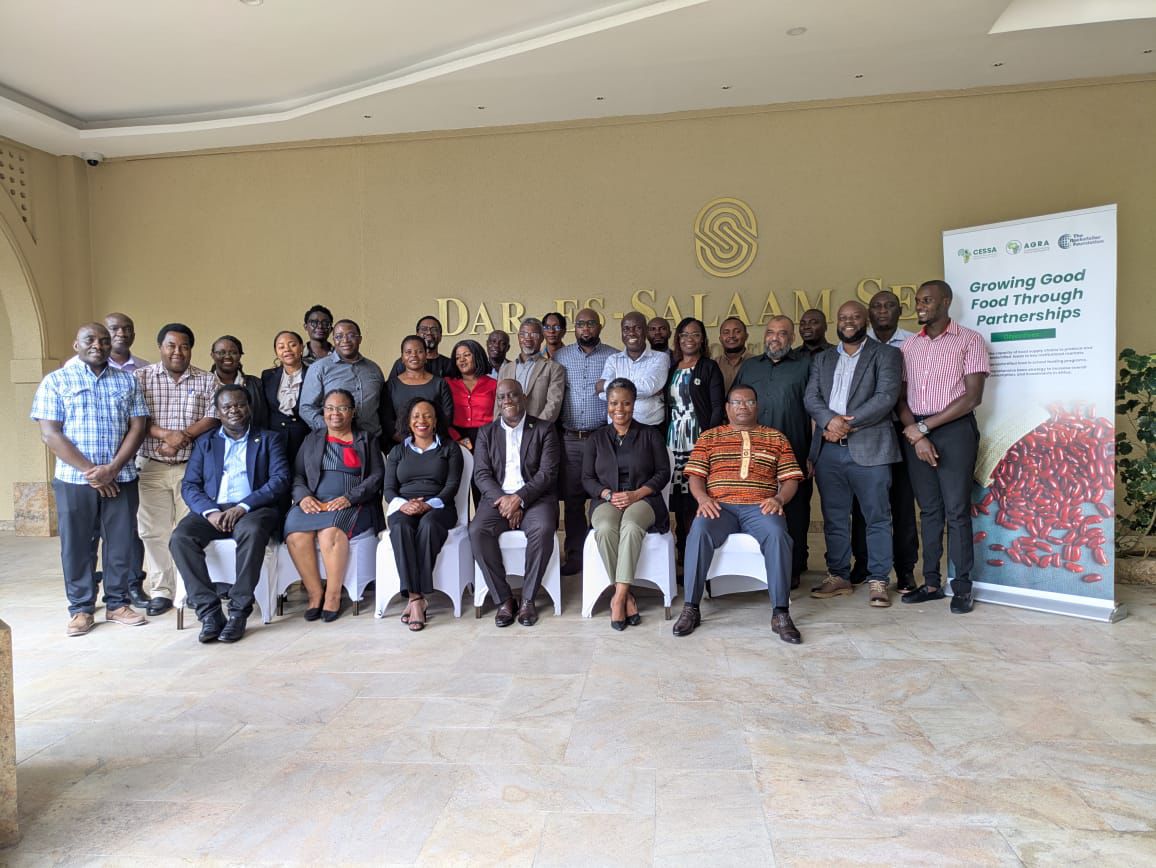
DAR ES SALAAM: Efforts to strengthen the link between agriculture and nutrition took center stage in Dar es Salaam this week as stakeholders from across Africa’s agri-food system convened for the Good Food Learning Event.
The three day convening, led by the Center of Excellence for Seed Systems in Africa (CESSA) in collaboration with AGRA, is focused on accelerating access to nutritious and safe food, particularly for institutional markets such as school feeding programs.
Bringing together policymakers, researchers, private sector actors, and development partners, the event is designed as a platform for sharing practical lessons, aligning on strategies, and identifying scalable solutions that can improve both food systems and nutrition outcomes.
Opening the discussions, AGRA Tanzania Country Director, Vianey Rweyendela, emphasized the need to move beyond production focused approaches and deliberately connect agriculture to nutrition.
“We must deliberately connect what farmers produce with what our children consume, ensuring nutrition is built into our food systems from the ground up,” he said.
His remarks set the tone for a convening centered on action how to translate proven interventions into systems that work at scale.
CESSA Director, Evelyn Lusenaka, framed the meeting as a critical moment for collaboration, noting that while significant progress has been made, the priority now is scaling impact across countries and contexts.
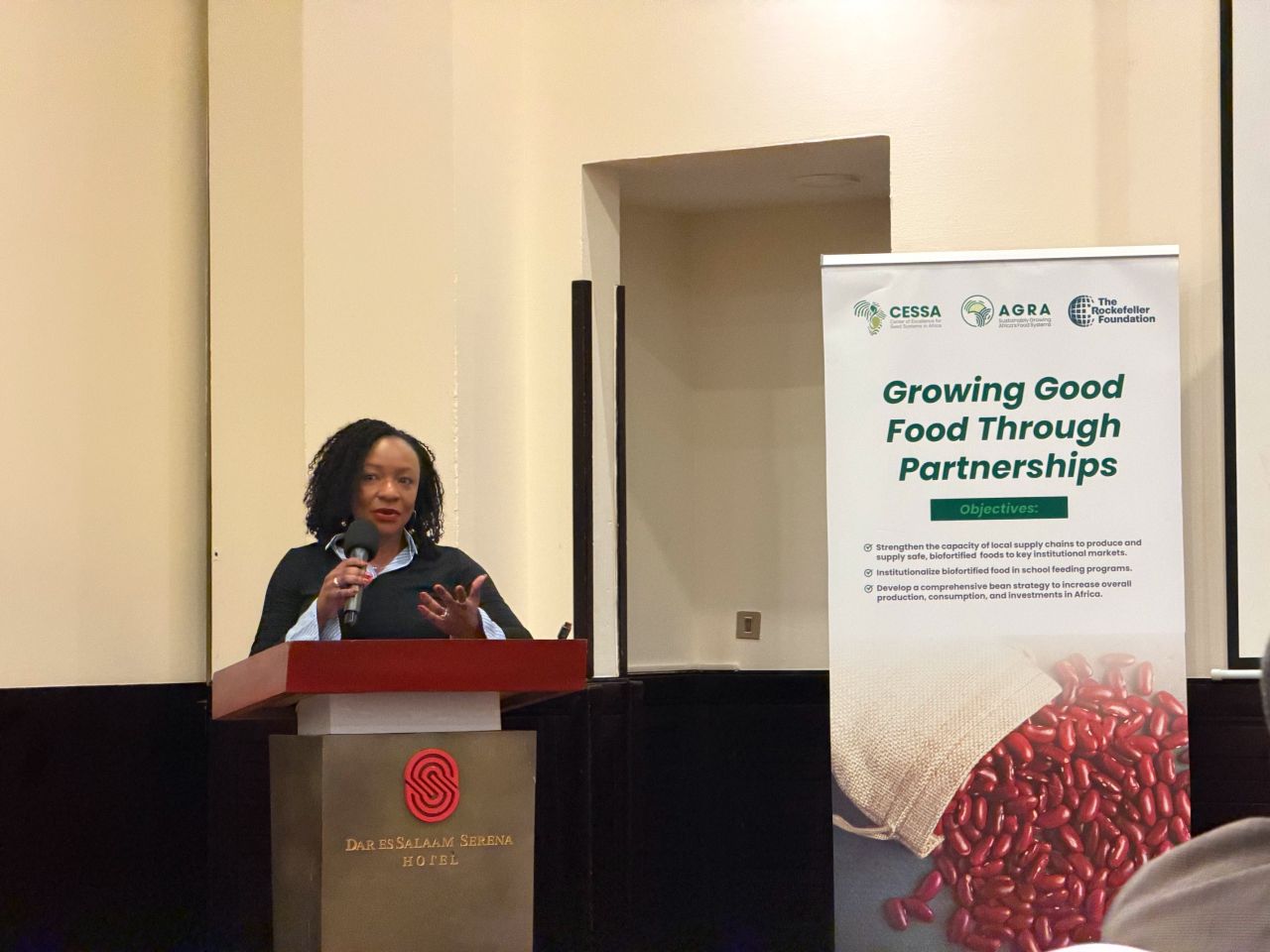
At the core of the discussions is the Good Food Program, which aims to increase the availability and accessibility of nutritious foods through agriculture-led solutions. Presenting the program overview, Rufaro Madakadze highlighted the role of biofortification as a game changing approach.
Biofortified crops designed to have higher nutritional value are proving both impactful and cost-effective. According to program insights, they can deliver returns of up to 17 times the initial investment.
“A one-time investment in nutrient-rich seeds continues to deliver year after year, without recurring costs making it one of the most sustainable pathways to improved nutrition,” Madakadze said.
She further noted that the program has already reached 1,464 schools, integrating nutritious foods into institutional systems and demonstrating how structured demand can drive both adoption and market growth.
School feeding programs are emerging as a powerful entry point not only improving child nutrition but also creating reliable markets for farmers. By linking production to structured demand, these programs are helping to accelerate the uptake of improved crop varieties while strengthening commercialization along the value chain.
Sessions also highlighted the broader ambition to scale nutritious homegrown school meals across the continent. One key target shared during the discussions is to reach 10 million learners with at least three nutritious meals per week by 2030, reflecting the scale of opportunity ahead.
As the event progresses, attention is turning to country experiences, and today was all about Tanzania where stakeholders are sharing lessons on crops such as high iron beans and pro vitamin A maize, as well as innovations in seed systems.
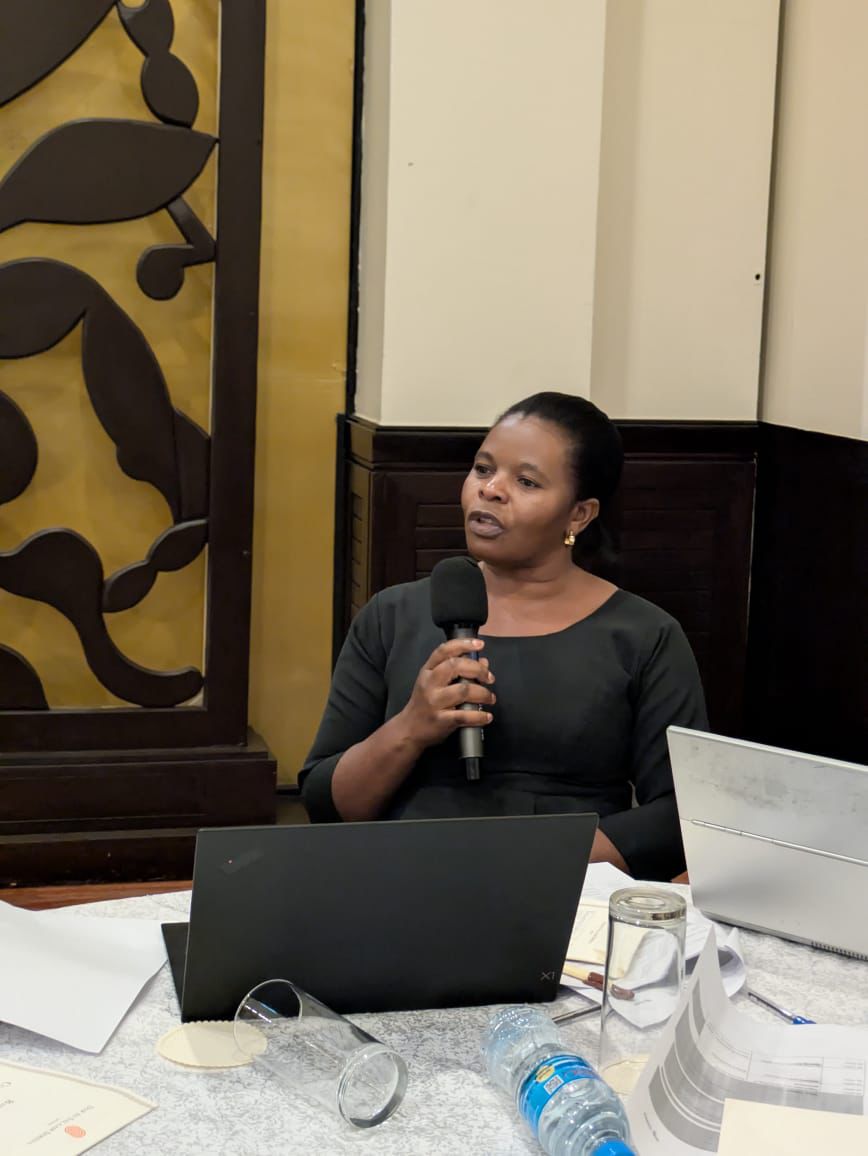
Across these discussions, a consistent message is emerging: transforming food systems to deliver better nutrition requires coordinated action from farmers and seed companies to policymakers and institutional buyers.
The Good Food Learning Event continues through May 7, with a strong focus on sustaining momentum beyond funding cycles and identifying practical pathways for scaling impact.
For Tanzania and the region, the convening signals a growing shift—one that places nutrition at the heart of agriculture, and positions school feeding systems not just as social programs, but as strategic drivers of healthier populations and stronger rural economies.