Dar, Entebbe ease trade barriers
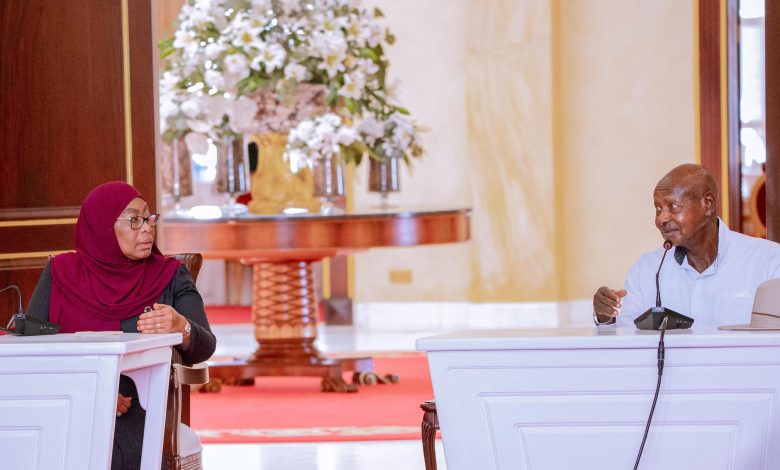
ENTEBBE: TANZANIA and Uganda have agreed to remove trade barriers, open their markets to each other’s goods and improve transport links in a fresh push to expand business and investment opportunities between the neighbouring countries.
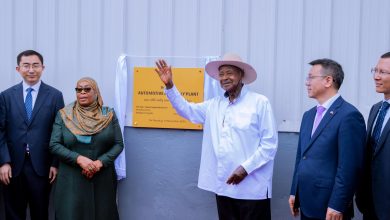
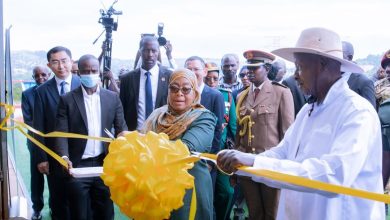
At State House in Entebbe, Uganda, yesterday, the two leaders made the commitments shortly after holding bilateral discussions.
The bilateral discussions, according to President Samia, centred on strengthening economic cooperation between Tanzania and Uganda, particularly in trade, investment, energy, transport and infrastructure, as well as addressing trade barriers and improving market access.
The two leaders also discussed ways to further boost bilateral cooperation and vowed to do so in a number of areas, including trade and investment, energy, transport and infrastructure development, maritime transport and regional integration.
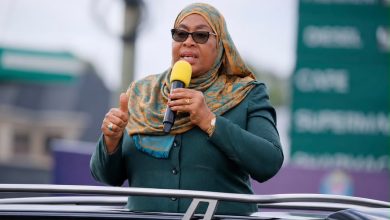
President Samia is in Uganda for two-day State Visit. She left the country yesterday.
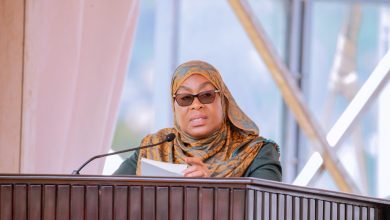
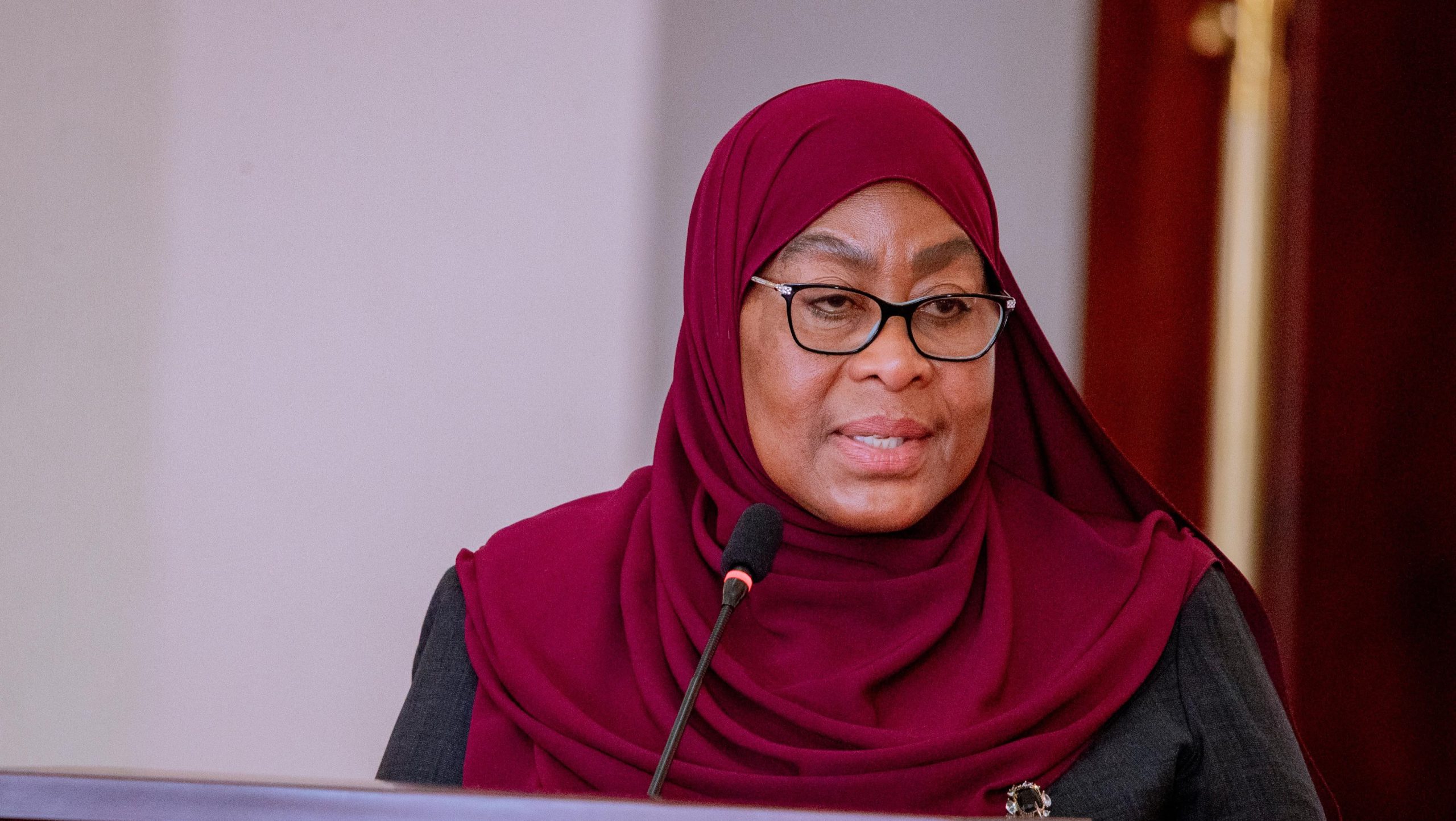
In her remarks during a joint press conference, President Samia said the two countries had made significant progress in implementing decisions reached during their bilateral engagements, particularly in trade, investment, energy, transport and infrastructure.
“Our countries have made significant progress in implementing decisions from our bilateral engagements, particularly in trade, investment, energy, transport and infrastructure,” she said.
However, she said more work was needed to explore untapped opportunities for greater and mutually beneficial economic cooperation.
President Samia identified trade facilitation and market access as key areas requiring strategic attention, noting that trade volumes, particularly in rice, had experienced fluctuations.
She attributed the decline in trade performance partly to transport, connectivity and logistics challenges between the two countries.
To address the challenges, she said Tanzania was implementing measures to improve regional transport and logistics services, including modernising and expanding the ports of Dar es Salaam and Tanga.
She also highlighted ongoing construction of the Standard Gauge Railway (SGR), which is expected to connect Dar es Salaam with Kigoma and facilitate regional connectivity.
The project, she said, would eventually provide approximately 2,000 kilometres of standard gauge railway infrastucture in Tanzania.
President Samia further expressed Tanzania’s readiness to cooperate with Uganda in developing the proposed SGR connection linking Isaka, Lusahunga, Murongo and Kikagati.
“We are very much ready to cooperate in constructing that route,” she said.
On maritime transport, she expressed optimism about the commencement of operations of MV Mwanza, a newly constructed vessel expected to strengthen cargo and passenger transportation between Mwanza and Port Bell in Uganda.
The vessel has a stated capacity of 400 metric tonnes of cargo and 1,200 passengers. Technical teams from Tanzania’s maritime, railway and port authorities had also assessed facilities at Port Bell and Jinja to establish their capacity to accommodate the vessel.
President Samia also commended Uganda for being the first country to commence construction of its diplomatic Chancery in Dodoma, saying the initiative had encouraged other countries to express interest in establishing their diplomatic offices in Tanzania’s capital.
“Tanzania remains committed to working with Uganda in the spirit of One People, One Destiny,” she said, calling for faster implementation of the agreements reached.
On his part, President Museveni cautioned against trade restrictions, particularly on agricultural products, saying the two countries should recognise their complementary market needs.
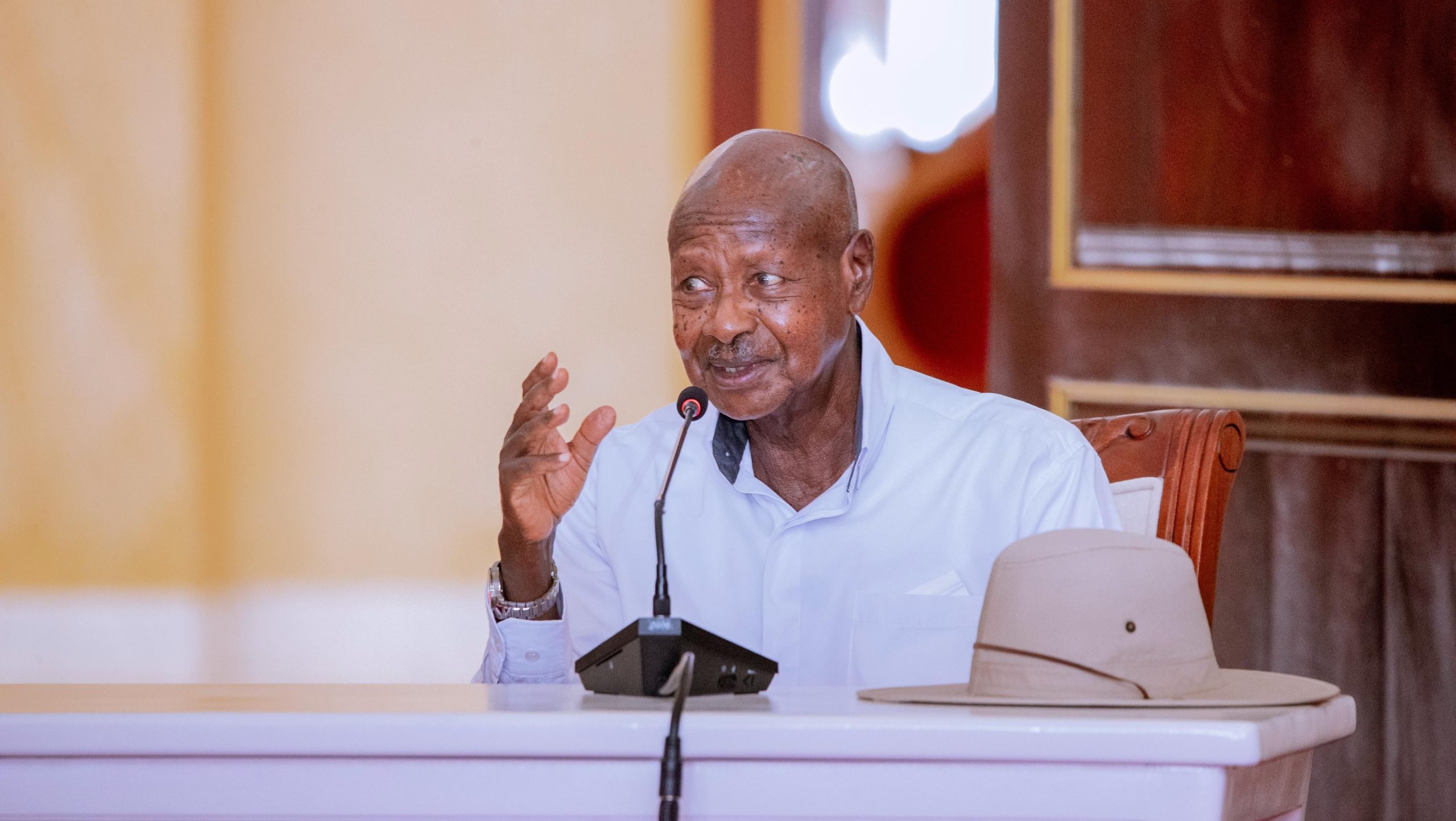
He cited Tanzanian rice, which has demand in Uganda because of its quality and competitive price, and Ugandan sugar, which has a significant market in Tanzania.
He warned that restricting imports could provoke retaliatory measures and affect other areas of bilateral trade.
“That is a trap. It is a trap. We should not enter this trap. It is very dangerous,” he said, urging both countries to handle trade issues carefully.
President Museveni also challenged young people in East Africa to embrace regional integration rather than fragmentation, arguing that cooperation was essential for unlocking the continent’s economic potential.
He asked whether the younger generation wanted to build a future resembling Latin America or work towards creating a United States of Africa.
“If you choose fragmentation, you will end up like Latin America,” he said, arguing that regional cooperation was key to translating Africa’s abundant natural resources into prosperity.
The two leaders also discussed cooperation in the energy sector, including oil transportation and refinery development. President Museveni said Uganda planned to establish an oil refinery in Hoima and supported the development of a larger refinery in Tanga, Tanzania.
The discussions further emphasised the importance of expediting implementation of agreed commitments to ensure that cooperation delivers tangible benefits to citizens of both countries.