Courts adopt AI, integrated data systems

ARUSHA: THE Judiciary has begun using AI-supported transcription technology to draft court judgments, significantly reducing writing time and improving case handling efficiency, Chief Court Administrator Prof Elisante Ole Gabriel has said.
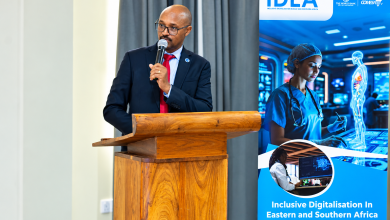
Speaking at the 6th e-Government Annual Meeting in Arusha yesterday, Prof Gabriel said the pilot programme, launched in 2024 across 11 judicial zones, has transformed how judgments are prepared.
“In the past, a judge could manually write a 200-page judgment. Now the judge speaks, and the system transcribes and translates it into either Kiswahili or English,” he said.
The system, known as Transcription and Translation Software (TTS), allows judicial officers to dictate rulings, reducing paperwork and easing physical strain.
He said the broader adoption of AI and ICT tools aims to enhance efficiency and ensure timely delivery of justice. Prof Gabriel further said improvements in case processing have contributed to increased public confidence in the judiciary.
“In 2019, public trust stood at 70 per cent. By 2023, it had risen to 88 per cent due to faster case handling,” he said.
He added that the electronic case management system is gradually phasing out paper-based files, allowing citizens to file cases remotely, track case progress and identify assigned magistrates, thereby enhancing transparency and accountability.
Beyond transcription, the judiciary has strengthened data sharing with other key public institutions, including the Tanzania Revenue Authority (TRA) and the Business Registrations and Licensing Agency (BRELA).
Prof Gabriel described the interinstitutional integration as exemplary, noting that access to verified institutional data has improved case analysis.
“Judgments are now data-driven,” he said. The integration enables faster verification of corporate records, tax information and legal status, reducing delays caused by manual document requests.
ALSO READ: Tanzania notes success in management of inputs,data systems
The Chief Administrator added that digital systems have improved transparency, allowing litigants to file cases online, track case progress and identify assigned magistrates.
The judiciary is also expanding its electronic case management system to phase out paper-based files.
“Citizens can now file cases from anywhere. This enhances transparency and revenue collection,” he said.
ICT integration has further enabled remote testimony, allowing witnesses outside the country to participate virtually.
“Today, someone in Canada can testify in a Tanzanian court without travelling,” he said.
Currently, the judiciary is running more than 17 programmes, with 90 per cent focused on ICT systems and personnel development. Prof Gabriel emphasised that successful digital transformation requires strong leadership and strategic investment in ICT professionals.
“Invest in ICT experts as human capital, not just human resources,” he said.