COLUMN: NEW THINKING. What Tanzania must do to host UN offices
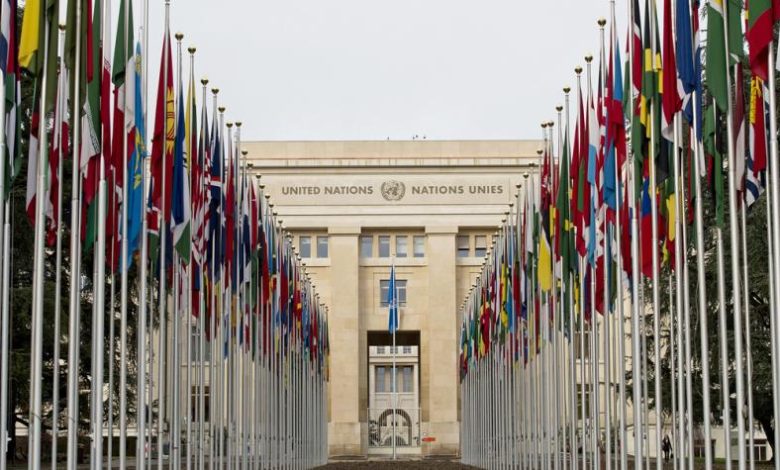
THE UN’s decision to relocate some offices from New York to Africa highlights potential benefits if proper planning and lobbying are in place.
As an economic and investment analyst, I see missed opportunities for Tanzania in not actively positioning itself as a host for international organisations. The recent announcement that UNICEF, UNFPA and UN Women will move to Nairobi by 2026 establishes Kenya as a global UN hub alongside New York, Geneva and Vienna.
This prompts reflection on the economic and strategic effects for Tanzania and possible oversight in visibility, investment attraction and longterm benefits of hosting such organisations. Tanzania, with experience hosting UN offices in Arusha, could use that goodwill to advocate for more UN offices amid the UN@80 reform agenda led by Secretary-General Guterres.
As the UN shifts more offices to Africa to improve cost efficiency, Tanzania has a strategic opening. While Nairobi hosts 23 UN agencies, Dodoma can position itself as a viable alternative, potentially gaining economic benefits and international recognition by actively lobbying for a stronger UN presence. Many overlook that hosting a UN office offers economic, diplomatic and developmental benefits.
These advantages—direct and indirect—impact real estate, employment, tourism, infrastructure and international standing. To stay competitive, nations must examine global developments with openness and a sense of nationalism.
Failing to do so risks missing major opportunities. One of the main economic benefits of hosting UN offices is foreign exchange inflows.
These offices are funded externally in hard currency, injecting dollars into the local economy through operational spending, staff salaries, procurement, travel and project implementation. This strengthens foreign reserves and the balance of payments.
UN offices also create jobs for local professionals—administrators, drivers, logisticians, legal officers and translators. Indirectly, they support employment in services like catering, security, maintenance, construction and consultancy.
ALSO READ: Promote unity, protect data ahead of election, media told
They also nurture local talent through internships, fellowships and training. The presence of UN offices boosts the hospitality and real estate sectors. Demand rises for hotels, serviced apartments, high-end housing and diplomatic neighbourhoods, which encourages investment in conference venues and international-standard amenities. Local businesses gain through procurement.
The UN buys goods and services locally—vehicles, food, supplies, IT and construction. SMEs benefit from contracts and partnerships, improving compliance and quality to meet UN standards.
Hosting UN offices increases business travel and tourism. Diplomats, international experts, conference delegates and project teams generate steady demand for air travel, car rentals, translation services, tourism and fine dining. Strategically, this supports aviation growth and may spur new airline routes. For Tanzania, with direct flights to major hubs on the horizon, this presents a key opportunity.
Infrastructure investment is another benefit. Host governments often upgrade roads, ICT, power and security around UN premises. These improvements serve the broader population and may lead to the development of “UN zones” or international districts with higher service standards.
Hosting UN offices also boosts international visibility and investor confidence. It signals political stability, institutional maturity and openness.
This attracts more international organisations, NGOs and donors, reinforcing the country’s image as a hub for peace, development and governance. National institutions also benefit. Hosting creates pathways for partnerships with local think tanks, universities, civil society and government bodies.
This facilitates knowledge transfer, technical assistance and access to global expertise. The UN also supports national programmes in health, education, environment and governance.
While UN operations are largely tax-exempt, local spending generates VAT, PAYE and other revenues through vendors, salaries, logistics and services. Finally, one of the most understated benefits of hosting UN offices is the long-term economic stability they bring. UN agencies are typically permanent or long-term entities, offering a consistent economic contribution that is less vulnerable to external shocks than sectors like tourism or mining.
Their presence can cushion local economies during downturns by maintaining stable demand and deepening international engagement. So, what must Tanzania do to position itself for the potential relocation or expansion of UN offices under the UN@80 reforms?
As an economist and policy analyst, I offer insights to help guide decision-makers in identifying strategic opportunities that can elevate Tanzania’s role in global diplomacy and development.
ALSO READ: NIRC unveils irrigation tech at Nane Nane fair
Tanzania must not be left out of this conversation. In my view, to attract the relocation of existing UN functions—or host newly decentralised offices—Tanzania must adopt a multifaceted approach aligned with UN reform priorities, African integration goals and the evolving global order.
One strategic step is to reinforce Tanzania’s legacy as a pan-African diplomatic hub. Our history of non-alignment, peace mediation and support for liberation movements, as led by Mwalimu Julius Nyerere, remains a strong foundation.
Now is the time to elevate Dar es Salaam, Dodoma, or Arusha as candidates for an “African Geneva”—a neutral, secure and politically stable base for multilateral engagement within the Global South.
Equally important is aligning with the UN’s decentralisation agenda and advocating for geographic equity in global governance.
Hosting thematic UN offices—focused on sustainable development, climate change, or humanitarian coordination—would send a powerful signal that Africa is ready to share more responsibility in shaping global solutions. Such a move would also align with the African Union’s Agenda 2063 and the UN’s stated commitment to reform. Tanzania’s moment to lead is now.
To attract UN offices, Tanzania must develop world-class infrastructure and connectivity. This includes strategic investment in digital infrastructure, high-speed internet and the construction of green, modern office complexes tailored for international organisations.
Dedicated diplomatic zones, upgraded airports, international-standard healthcare and hospitality facilities are also essential.
Additionally, Tanzania should designate UN-specific real estate areas with duty-free import privileges and diplomatic protections. Strategic opportunities do not come by chance—they require intentional effort.
Tanzania must mount a focused advocacy campaign to demonstrate its commitment to multilateralism and the Sustainable Development Goals (SDGs).
By positioning itself as a leader in sustainable development, climate resilience and green growth—and by leveraging its comparative advantages in agriculture, biodiversity, peacekeeping and public health— Tanzania can propose hosting specialised UN hubs.
ALSO READ: CCM primaries run smoothly
To support this vision, the country must reinforce strong domestic governance, uphold the rule of law, guarantee press freedom and ensure active civil society engagement.
These values reflect UN principles and would enhance Tanzania’s credibility as a global partner. While relocating the UN headquarters may be a distant possibility, Tanzania can credibly compete to host regional or thematic UN hubs offering economic diversification, global visibility, job creation and enhanced diplomatic standing under the UN@80 reform agenda.