Climate change threatens TZ’s blue economy growth, govt warns
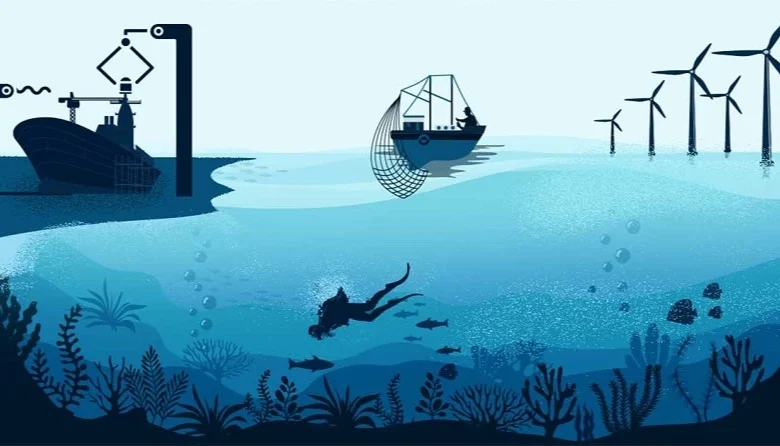
ZANZIBAR: TANZANIA’S vast potential in the blue economy, renewable energy and tourism sectors is expected to drive economic growth, but rising impacts of climate change could undermine these gains if urgent action is not taken.
The warning was issued yesterday by Permanent Secretary in the Vice-President’s Office (Union and Environment), Richard Muyungi, while opening a training on bankable energy transition projects in Zanzibar.
Describing the forum as timely, Dr Muyungi said Tanzania and other developing countries must urgently strengthen their capacity to mobilise investment for sustainable energy, amid widening global financing gaps.
“Developing countries require about 1.7tri/- annually to finance clean energy transitions, yet only 544bn/- was recorded in global foreign direct investment in 2022,” he said, highlighting the scale of the financing challenge.
Despite Tanzania’s abundant renewable energy resources, he noted that the sector continues to face underinvestment, particularly in key infrastructure such as electricity transmission systems.
Under its Nationally Determined Contributions (NDCs), Tanzania has committed to reducing greenhouse gas emissions by 30 to 35 per cent by 2030 compared to 2015 levels, with priority areas including renewable energy, energy efficiency and sustainable agriculture.
Dr Muyungi said renewable energy currently accounts for about 80 per cent of the country’s energy mix, mainly from hydropower and biomass, but stressed the need for further investment to modernise and diversify the sector.
He warned that Zanzibar remains highly vulnerable to climate change impacts, noting that about 70 per cent of its population depends on fishing and tourism, sectors directly threatened by rising sea levels.
ALSO READ: Zanzibar rolls out marine data plan to boost blue economy growth
The Isles are targeting a 50 per cent share of renewable energy by 2030, up from 10 per cent in 2020, with a focus on solar, wind and biomass.
However, he said achieving this goal will require substantial financial resources and technical capacity.
Dr Muyungi further revealed that Tanzania requires an estimated 780bn/- between 2023 and 2030 to support climate adaptation and mitigation efforts, including investments in the blue economy.
He said the training aligns with Tanzania’s climate commitments and the Sustainable Development Goals (SDGs), and is expected to help unlock investment opportunities in energy transition projects.
He also urged participants to translate the knowledge gained into bankable projects capable of attracting financing, while ensuring that vulnerable communities, women and youth benefit from the investments.
The workshop brought together government officials, development partners and key stakeholders in the energy sector to explore practical pathways for financing sustainable energy solutions.