Clean water vital in fight against NTDs
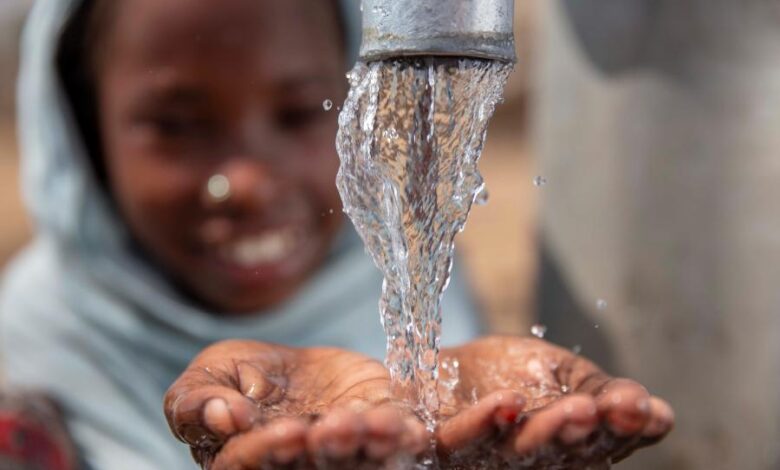
DODOMA: DODOMA is stepping up efforts to eliminate four Neglected Tropical Diseases (NTDs), with improved access to safe water, sanitation and hygiene identified as critical to breaking their transmission.
The initiative brings together the health, water and education sectors to strengthen prevention and control measures against the diseases, which continue to affect communities where access to basic services remains limited.
Speaking while opening the Regional Water, Sanitation, Hygiene and Neglected Tropical Diseases meeting in Dodoma yesterday, Regional Administrative Secretary Dr Khatibu Kazungu said access to clean and safe water was essential to efforts to eliminate the diseases.
The four diseases targeted under the initiative are closely linked to inadequate water, sanitation and hygiene conditions, making improvements in these areas a key part of efforts to prevent new infections and reduce the burden on affected communities.
The diseases targeted are schistosomiasis, soil-transmitted helminth infections, trachoma and lymphatic filariasis, all of which can be prevented or controlled through a combination of health interventions and improvements in water, sanitation and hygiene.
Dr Kazungu called for stronger coordination among the health, education and water sectors, saying joint action was necessary to improve prevention, strengthen community awareness and ensure that interventions reached people most at risk of the diseases.
ALSO READ: Mixx digital payments boost farmers’ incomes, businesses
“Close collaboration among government institutions, health professionals and development partners will ensure communities have access to safe and clean water, health education and timely treatment,” he said.
The approach places particular emphasis on communities, schools and other settings where improved hygiene practices, access to safe water and early detection can help reduce transmission and prevent the diseases from becoming a continuing public-health burden.
The efforts are part of a broader push to strengthen prevention and control of NTDs by addressing the environmental and social conditions that allow the diseases to persist, rather than relying solely on treatment after infection occurs.
For communities, this means that progress against the diseases will depend not only on access to medicines and health services, but also on sustained improvements in water supply, sanitation and everyday hygiene practices.
The meeting, therefore. sought to strengthen collaboration among key sectors and ensure that NTDs control is integrated into wider development efforts, particularly those aimed at improving living conditions and protecting vulnerable communities.