Clean energy skills fuel entrepreneurial ambitions
DAR ES SALAAM: TANZANIA has launched an ambitious nationwide clean energy training initiative targeting 1,500 women and young people, marking a decisive step toward strengthening the country’s renewable energy workforce while promoting entrepreneurship and self-employment.
The programme reflects a growing recognition that the transition to sustainable energy must be matched by deliberate investment in human capital.
The initiative is being implemented through a partnership between the Government and the Relief to Development Society in collaboration with six colleges under the Vocational Education and Training Authority.
It was officially unveiled during a stakeholder workshop in Dar es Salaam, bringing together representatives from government institutions, vocational training centres and renewable energy experts.
At its core, the programme seeks to equip women and youths with practical technical expertise and entrepreneurial competencies in renewable energy technologies.
By doing so, organisers aim to ensure that beneficiaries are positioned not merely as job seekers but as active participants in Tanzania’s green transition.
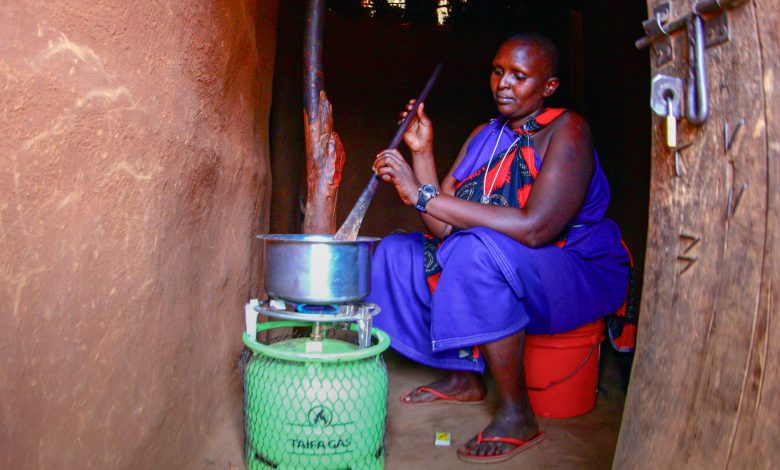
The training covers a broad spectrum of clean energy technologies, including improved cookstoves, solar power systems and electric mobility solutions.
These technologies are increasingly viewed as essential in addressing energy access gaps while reducing environmental degradation and reliance on traditional biomass. Organisers emphasise that the initiative is not limited to short-term instruction.
It is designed to strengthen institutional capacity and embed renewable energy curricula within the national vocational training framework. By integrating new courses into VETA’s systems, the programme is expected to continue long after initial project funding ends.
This institutional integration is central to ensuring sustainability. Rather than operating as a stand-alone donor-driven project, the training modules are being formalised within nationally recognised certification structures.
Graduates will therefore receive credentials that enhance their employability and professional credibility both locally and internationally. The initiative began with a pilot phase involving 500 women and youths.
Following encouraging results, it has now been scaled up to reach 1,600 beneficiaries overall, with 1,500 targeted in the current rollout.
The expansion underscores confidence in the programme’s impact and its relevance to Tanzania’s evolving energy landscape.
Renewable energy remains one of the fastestgrowing sectors in Tanzania and across East Africa.
As demand rises for solar installations, clean cooking solutions and emerging electric mobility technologies, the need for skilled technicians and entrepreneurs continues to grow.
However, industry stakeholders have frequently pointed to skills gaps that limit the sector’s full potential.
To address this challenge, the programme began with a comprehensive Labour Market Analysis before any curriculum was drafted.
This research assessed the current skills landscape, identified gaps in the renewable energy workforce and examined emerging opportunities. The findings informed the design of course content to ensure alignment with real industry needs.
The curriculum development phase has been conducted in close collaboration with VETA to guarantee compliance with national training standards.
The new courses are structured to meet nationally accepted competency levels, enabling participants to acquire expertise that corresponds directly to labour market demands.
Vocational training authorities have underscored the importance of aligning training programmes with practical economic realities.
In a rapidly changing sector such as renewable energy, curricula must evolve to reflect technological advancements and market trends.
By embedding these updates within the VETA system, the programme aims to institutionalise responsiveness and adaptability. Beyond technical proficiency, the initiative places strong emphasis on entrepreneurship.
Participants will receive training in business planning, financial management and regulatory compliance, equipping them to establish and manage small enterprises.
This dual focus recognises that skills alone are insufficient without the capacity to translate them into viable livelihoods. By nurturing entrepreneurs rather than solely technicians, the programme aspires to generate multiplier effects.
Graduates may establish installation and maintenance businesses, supply improved cookstoves, operate solar service companies or engage in electric mobility solutions. In doing so, they can create additional employment opportunities within their communities.
Stakeholders at the launch workshop highlighted the transformative potential of empowering women within the renewable energy sector.
Increased female participation can enhance household incomes, expand energy access in underserved areas and contribute to environmental sustainability.
ALSO READ: Tanzania records a 23.2 percent increase in access to clean cooking energy
When women gain technical and entrepreneurial skills, the benefits often extend beyond individual participants to families and communities.
The initiative also supports Tanzania’s broader development agenda. Expanding access to affordable and sustainable energy is central to economic growth, poverty reduction and climate resilience.
A skilled renewable energy workforce strengthens the country’s capacity to implement green technologies at scale. Collaboration between public institutions and civil society organisations has been instrumental in shaping the programme.
By pooling expertise, resources and institutional authority, the partnership model demonstrates how coordinated efforts can accelerate progress in strategic sectors.
Importantly, the integration of renewable energy training into nationally recognised certification systems enhances confidence among investors and employers.
It signals that Tanzania is serious about professionalising its green economy workforce and meeting international standards.
As the programme moves from pilot to nationwide implementation, organisers express optimism about its longterm impact.
By combining labour market research, curriculum development, institutional integration and entrepreneurship training, the initiative addresses multiple dimensions of workforce development simultaneously. For Tanzania, the stakes are high.
The shift toward clean energy is not merely an environmental imperative but an economic opportunity. Harnessing that opportunity requires skilled hands, innovative minds and supportive institutions.
Through this expanded training initiative, women and youths are being equipped to stand at the forefront of the nation’s renewable energy transformation.
In doing so, the programme strengthens not only individual livelihoods but also Tanzania’s pathway toward inclusive, sustainable and resilient growth.