Clean cooking drive stalled by fuel habit
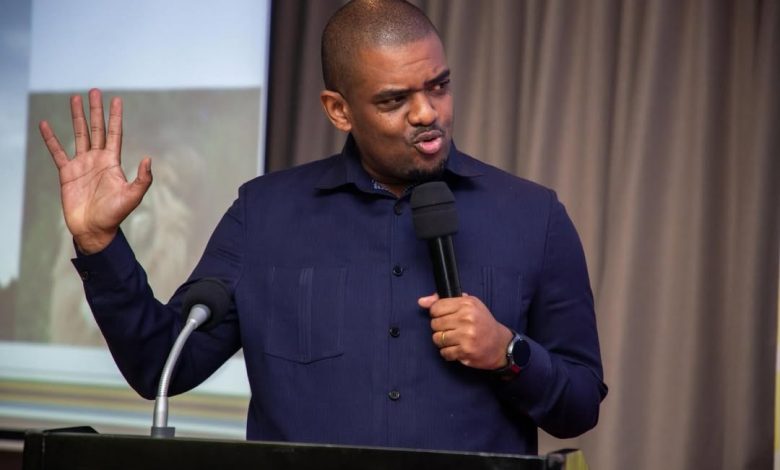
ZANZIBAR: TANZANIA has made notable progress in expanding access to clean cooking energy, but continued reliance on firewood and charcoal remains a major obstacle to achieving the 2034 target, Energy Minister Deogratius John Ndejembi has said.
Speaking on Tuesday at a clean cooking dialogue during the Kizimkazi Festival, Mr Ndejembi said infrastructure, technology and investment alone are not enough, stressing that success will depend on changing people’s attitudes, traditions and cooking practices.
He said the proportion of Tanzanians using clean cooking energy has risen from 6.9 per cent in 2021 to 28.6 per cent in 2025, but more efforts are needed to reach the 80 per cent target by 2034.
The progress, he said, has been driven by collaboration between the government, private sector, civil society, financial institutions and development partners.
Mr Ndejembi said the government has introduced various measures, including subsidies for gas cylinders, promotion of electricity-based cooking under the Pay-AsYou-Cook initiative, reduced VAT on selected LPG products and support for alternative clean cooking technologies.
However, he cautioned that providing equipment without reliable energy supply and distribution systems could undermine the transition. In some areas, households have abandoned LPG due to challenges in refilling and accessing gas.
“This shows the importance of promoting solutions that take into account local conditions, energy availability and people’s purchasing power, rather than relying on a single approach,” he said.
He stressed that changing attitudes towards traditional fuels is critical, warning that even well-designed strategies may fail without behavioural change.
Globally, about 2.1 billion people still lack access to clean cooking energy, including nearly one billion in Africa, most of them in sub-Saharan countries.
The Minister called for stronger partnerships to develop affordable financing mechanisms to help institutions such as schools, hospitals and prisons transition without high upfront costs.
ALSO READ: Dr Biteko hails clean cooking energy for saving 470,000 hectares of forest annually
Of the 31,395 institutions targeted, only 2,616 have so far adopted clean cooking energy.
He also commended the Zanzibar government for developing a Clean Cooking Energy Strategy towards 2034, noting that cooperation between the Union and Zanzibar governments will be key in mobilising resources and strengthening implementation.
Former Deputy Prime Minister Dr Dotto Mashaka Biteko said clean cooking must remain a national priority due to its impact on health, the environment and household economies.
He warned that continued reliance on firewood and charcoal contributes to deforestation, with more than 670,000 hectares of forest lost annually.
He also highlighted the health risks linked to indoor air pollution, noting that women and children bear the greatest burden, including time spent collecting firewood instead of engaging in productive or educational activities.
Permanent Secretary in the Vice-President’s Office (Environment), Dr Richard Muyungi, said about 15.6 million Tanzanians have shifted to clean cooking energy over the past five years, reflecting steady progress.
Meanwhile, Mwanamke Initiatives Foundation (MIF) Chairperson, Ms Wanu Hafidh Ameir, said her organisation has been promoting clean cooking through the Upishi Salama campaign, reaching communities with education on safe energy use.
She said more than 3,000 gas cylinders have been distributed to vulnerable households, demonstrating that the country’s clean cooking target is achievable with sustained efforts.