Chinese standards aid Zanzibar schistosomiasis elimination
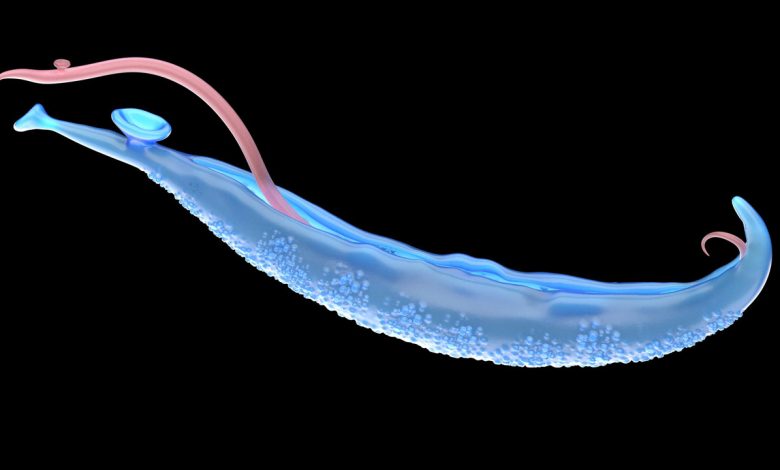
ZANZIBAR: ZANZIBAR’S efforts to eliminate schistosomiasis have received a major boost through ongoing collaboration with China to impart skills to Isles practitioners.
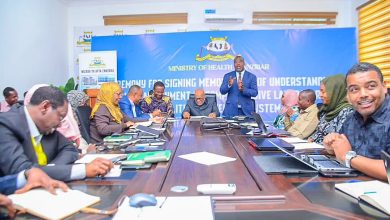
Recently, Chinese medical experts conducted an intensive training course aimed at enhancing the diagnostic and technical skills of local public health professionals.
The training, organised under the China-Aid Schistosomiasis Control Project in Zanzibar, focused on nucleic acid detection of Schistosoma haematobium and coincided with the 56th World Standards Day, highlighting the importance of standardised procedures in public health.
More than 60 participants from the Zanzibar Neglected Tropical Diseases (NTD) Office, public health laboratories and district health departments took part in the training, which was led by Dr Wang Wei, head of the visiting Chinese expert team.
At the course’s opening in Pemba, the Chinese team presented their country’s successful strategies in controlling schistosomiasis.
ALSO READ: Zegereni substation project underway
They introduced several Chinese national standards that have proven effective, including guidelines for schistosomiasis management, detection of Schistosoma haematobium eggs using urine filtration microscopy, nucleic acid detection via RecombinaseAided Amplification (RAA) assay and specifications for molluscicide use (spraying and immersion techniques).
The team said that standardisation is key to improving diagnostic accuracy, case management and overall disease control outcomes. Participants observed a live demonstration on Schistosoma haematobium nucleic acid detection, covering the full workflow, from sample collection, DNA extraction and amplification setup, to result interpretation.
Attendees also engaged in hands-on practice under the supervision of the Chinese experts, gaining valuable experience with the advanced techniques.
At the closing session, a representative from the Zanzibar NTD Office, Mr Saleh Juma praised the training initiative, noting its impact on improving local disease control standards.
“This knowledge will greatly enhance Zanzibar’s capacity for schistosomiasis surveillance, diagnosis and prevention,” said Mr Juma.
Participants expressed commitment to applying the newly acquired skills in their work to strengthen schistosomiasis control measures and accelerate Zanzibar’s path toward eliminating the disease as a public health threat.
Since its launch, the China-Aid Schistosomiasis Control Project has adhered to the principle of “teaching how to fish”, focusing on capacity building through the provision of equipment, technical training, joint field work and experience sharing.
The successful completion of this training marks another milestone in the growing partnership between China and Zanzibar, laying a stronger foundation for achieving Zanzibar’s schistosomiasis elimination goals.