Chalinze-Dodoma line to boost grid stability
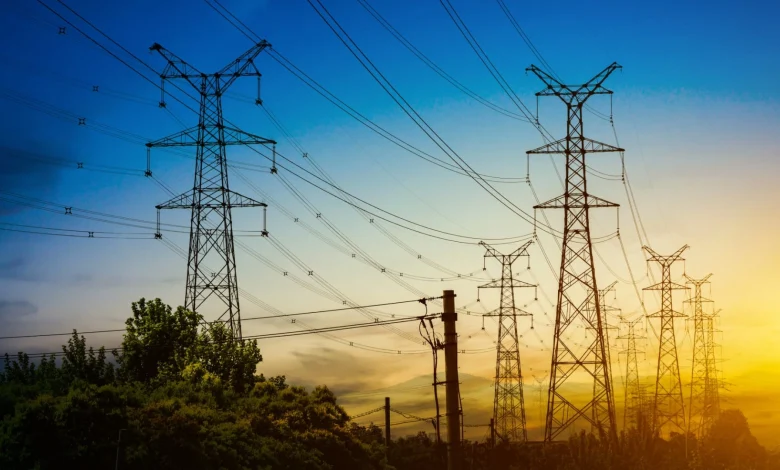
DODOMA: THE completion of the 400-kilovolt (kV) Chalinze–Dodoma electricity transmission line is expected to strengthen Tanzania’s national grid and enhance the distribution of power generated by the Julius Nyerere Hydropower Project (JNHPP) to consumers across the country.
Permanent Secretary in the Ministry of Energy, Engineer Felchesmi Mramba, said the project is among the largest electricity transmission projects implemented in the country. He said the strategic national project would play a critical role in strengthening the country’s power transmission network. Eng Mramba made the remarks recently after inspecting the project in Chalinze, Coast Region.
“This is a major project costing nearly 600bn/-. It is one of the largest electricity transmission projects ever implemented in our country,” he said.
He said electricity generated by the JNHPP has reached Chalinze, making the Chalinze-Dodoma line crucial in transmitting the power to different parts of the country.
“The electricity generated by the Julius Nyerere Hydropower Project has reached Chalinze. The question now is how to transmit it from Chalinze to consumers across the country,” he said.
Eng Mramba said three major transmission lines would play a key role in transmit electricity from Chalinze, with the ChalinzeDodoma line serving as one of the most important corridors. He said once electricity reaches Dodoma, it will be transmitted towards the southern, northern and western parts of the country, benefiting regions including Iringa, Mbeya, Njombe, Songwe, Rukwa, Singida, Tabora, Kigoma, Mwanza and Shinyanga.
ALSO READ: CCM vows crackdown on money politics
Northern regions, including Manyara, Arusha and Kilimanjaro, will also benefit from the strengthened transmission network. The Permanent Secretary said the project will significantly improve national grid stability and reduce the impact of major power interruptions by providing an alternative transmission route.
“One of the solutions to grid failures is this line from Chalinze to Dodoma. It will significantly improve stability in the national grid and reduce the likelihood of large-scale outages,” he said.
He clarified, however, that the project would not eliminate localised power interruptions caused by faults affecting transformers, poles, wires or other distribution infrastructure. Eng Mramba said the Standard Gauge Railway (SGR) will also benefit from the project as electricity supplied through its transmission system will no longer need to serve other consumers in Dodoma and surrounding areas.
“With the completion of this major project, we will take other consumers off the SGR power supply. The SGR transmission system will remain dedicated to the railway,” he said.
He said the move will improve the reliability of electricity supplied to the SGR by reducing the risk of faults caused by other consumers affecting railway operations.
Eng Mramba said electricity was already being transmitted along the new line as testing and commissioning activities continued. He described the project as a strategic investment in Tanzania’s energy infrastructure, noting that it had been completed in 16 months.