Can Russia–Africa Summit deliver jobs, trade and investment?
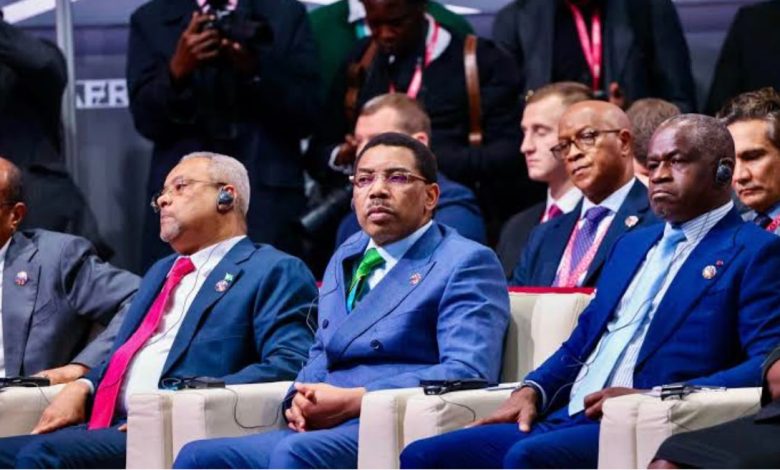
MOSCOW: ON Wednesday and yesterday, Moscow hosted the Third Russia–Africa Summit and the Russia–Africa Economic and Humanitarian Forum, focusing on trade, investment, energy, agriculture, infrastructure, research and technology.
For African countries, the central question is how diplomatic relations can translate into investments that improve living standards, expand productive capacity and create jobs.
For Tanzania, the summit offers opportunities to attract finance and technology, expand trade and diversify international partnerships. However, these opportunities must be weighed against national development priorities, commercial viability, financing costs and geopolitical risks.
Trade between Russia and Africa reportedly exceeded 27 billion US dollars (about 71.5tri/-) in 2025, up from 16.8 billion US dollars (about 42.4tri/-) in 2019. Despite this growth, trade remains relatively modest compared with Africa’s economic engagement with China and the European Union.
Diplomatic relations alone cannot guarantee competitive exports or sustainable business partnerships. Tanzania could expand exports of coffee, tea, cashew nuts, horticultural products and processed foods to Russia while importing agricultural inputs, fertilisers, industrial equipment and specialised technology.
The priority should be mutually beneficial trade that strengthens domestic production rather than simply increasing imports. This requires identifying market demand, meeting quality standards and securing reliable buyers, payment arrangements and transport.
Agriculture offers opportunities in irrigation, mechanisation, research, grain storage and food processing. Russian expertise and equipment could support Tanzania’s efforts to improve productivity and strengthen food security. However, cooperation should deliver benefits beyond imported inputs.
Modern storage and processing facilities could reduce postharvest losses and create competitive agro-processing businesses. Such projects require affordable financing, appropriate technology, reliable electricity and transport and sufficient market demand.
Tanzania should also diversify suppliers to reduce exposure to price shocks and delivery disruptions. Reliable, affordable electricity is equally essential to industrialisation. Potential partnerships could cover power generation, grid equipment, renewable energy and technical training.
Russia’s experience with large-scale energy projects, including Egypt’s El Dabaa nuclear power station, may offer lessons. Any nuclear power proposal would require rigorous assessment of capital costs, safety, regulatory capacity, financing, waste management and long-term operational commitments.
Infrastructure cooperation involving railways, ports and logistics facilities could improve competitiveness. Nevertheless, every major project should undergo independent feasibility studies, transparent procurement and debt-sustainability assessments.
Access to technology or financing alone does not justify an investment. Tanzania’s mineral resources offer opportunities in geological research, mining technology, mineral processing and technical training.
The priority should be to retain more economic value domestically by developing processing, refining and supporting industries rather than relying mainly on raw mineral exports.
Russian investors could provide financing, engineering expertise and technology. However, proposals should be assessed against investors’ financial capacity, technical records, environmental performance and commitment to local suppliers and skills development.
Mining agreements should clearly define royalties, taxes, local procurement, technology transfer and environmental restoration. Investments must also be commercially viable, considering energy costs, transport, ore availability and market demand.
Cooperation in science, healthcare, digitalisation and education could support engineering, agricultural research, medical training and technical education. Technology agreements should include training, maintenance and knowledge transfer to build local expertise and create skilled jobs.
Cybersecurity, data protection and long-term maintenance costs must also be considered, particularly in digital and artificial intelligence projects. Russia’s conflict with Ukraine and the resulting sanctions have complicated some international financial and commercial transactions.
Tanzanian businesses must assess banking restrictions, verify counterparties and establish reliable payment arrangements. Exchange-rate fluctuations could affect transaction costs, while financing agreements require scrutiny of interest rates, repayment periods, guarantees, collateral and total borrowing costs.
Delays in funding or equipment deliveries could undermine projects, while unrealistic market forecasts could leave investments unprofitable. Sanctions compliance is particularly important because restrictions vary according to the parties, jurisdictions and transaction structures involved.
Tanzanian institutions should obtain appropriate legal advice rather than assume a transaction is permissible simply because an African partner is involved. These risks do not rule out cooperation. They underline the need for due diligence, transparent financing, clear contracts and properly allocated responsibilities.
ALSO READ: Dr Nchemba jets in Moscow as 3rd Russia-Africa Summit begins today
Tanzania should approach the summit with a clear investment strategy. First, it should develop a portfolio of commercially viable projects in agriculture, energy, manufacturing, mining services and logistics. Each proposal should include a feasibility study, financing requirements, expected returns, timelines and risk assessments.
Second, investors should be selected according to their financial strength, expertise and track records, with decisions guided by commercial potential and national development priorities.
Third, reputable investors, banks and development finance institutions, including TIB Development Bank, could explore co-financing viable projects while protecting public finances from excessive liabilities.
Fourth, agreements should establish measurable targets for investment, job creation, skills development, technology transfer and environmental protection. Contracts should include enforceable performance requirements where appropriate.
Finally, Tanzania should establish a mechanism to monitor projects from announcement through financing, construction and commercial operation. Public reporting should distinguish memoranda of understanding from binding contracts, pledged investments from disbursed funds and announced projects from operational businesses.
The summit offers Tanzania opportunities to explore markets, diversify suppliers and attract technology. However, success should not be measured by diplomatic attendance or the number of agreements signed.
The real test is whether cooperation attracts productive investment, raises productivity, creates lasting jobs, strengthens domestic industries and delivers returns that justify the risks and costs.
Tanzania should welcome commercially sound Russian investment while maintaining prudent financial management, transparent governance and diversified international partnerships.
Diplomacy can open doors, but prosperity depends on sound investments, strong institutions and effective implementation. The most valuable outcome would be viable projects that convert international cooperation into local production, skilled employment, competitive exports and lasting economic value.