Call to increase tree planting for climate action
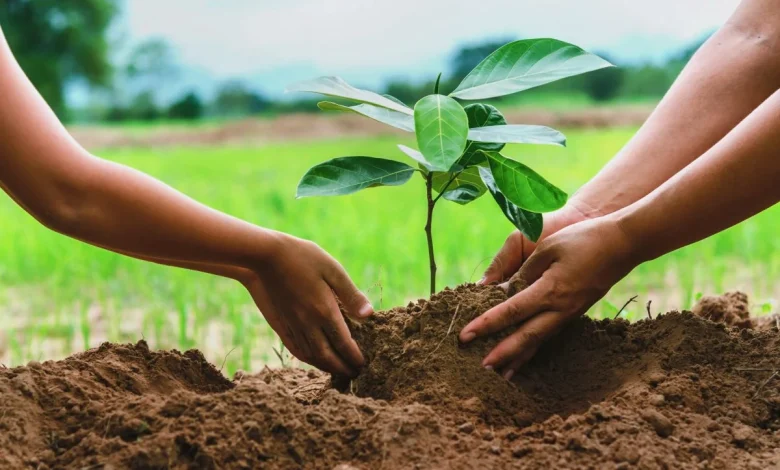
DAR ES SALAAM: TANZANIANS have been urged to step up efforts in planting trees as a key measure to mitigate climate change effects, restore degraded landscapes and strengthen national food security.
According to the environmental experts, the country continues to lose forest cover at an alarming rate due to deforestation, charcoal production and expanding human settlement.
The appeal was made recently in Dar es Salaam by the Resident Manager of the Swedish Development Organisation, Vi Agroforestry, Ms Martha Olotu, during a briefing on the upcoming agroforestry exhibition scheduled for November 13–15 in Musoma, Mara Region.
Ms Olotu explained that tree planting must be embraced as a joint national responsibility backed by coordinated action from communities, the private sector, civil society and government agencies.
“We need strong, collective strategies that ensure millions of trees are planted and protected every year to restore natural vegetation and expand the country’s forest cover,” she said.
She noted that the organisation and its partners have been planting at least one million trees annually in various regions, a move that has helped communities mitigate the effects of climate change and build more resilient agricultural systems.
ALSO READ: Govt launches 94bn/- project to tackle climate change, protect biodiversity
The upcoming Musoma exhibition is expected to bring together farmers, researchers, policymakers, development partners and private sector players to promote agroforestry as a sustainable farming approach across Tanzania and the East African region.
According to Ms Olotu, the exhibition will showcase how agroforestry enhances the livelihoods of smallholder farmers by improving soil health, boosting biodiversity, strengthening food systems and raising household incomes.
The event will feature discussions and presentations covering three central themes including economic opportunities through diversified rural incomes and inclusive value chains, climate-resilient ecosystems and biodiversity conservation and policy frameworks and financing models, including land tenure security.
“This exhibition is more than an event; it is a call to action. Agroforestry is not just a farming technique, it is a pathway to resilient food systems, restored ecosystems and improved household incomes. We are bringing together everyone who matters so that Tanzania can lead the region in climate-smart agriculture,” said Ms Olotu.
Ms Olotu said development partners from within and outside Tanzania will participate, further reinforcing the role of the exhibition as a platform for cooperation in building climate-resilient and integrated agricultural systems.
As part of the activities, a tree-planting campaign will be held at Mkiringo Primary School in Musoma, led by the Butiama District Commissioner and attended by Vi Agroforestry stakeholders, farmers, students and community members.
“This partnership demonstrates the power of agroforestry in restoring ecosystems, strengthening community resilience and engaging youth as active agents of change,” she said.
Marking 10 years of the agroforestry exhibition and 30 years of Vi Agroforestry’s work in Tanzania, Ms Olotu called on stakeholders from both public and private sectors to participate and contribute to advancing sustainable and inclusive agricultural growth.