Call: Strengthen research to address rare diseases

DAR ES SALAAM: THE government has urged health professionals to intensify research efforts to address the growing challenge of rare diseases in the country.
The call follows statistics from the World Health Organisation (WHO) indicating that in Tanzania, an estimated six per cent of the population may be affected by at least one type of rare disease.
Among the most common rare diseases in the country are Sickle Cell Disease, Hemophilia, Autism Spectrum Disorder, Systemic Lupus Erythematosus and Gaucher Disease.
Collectively, these conditions affect an estimated three to four million people, the majority of whom are children.
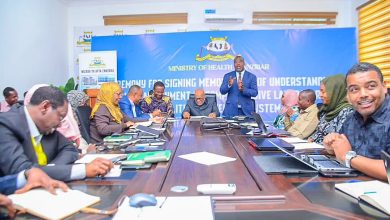
Opening the Rare Diseases Scientific Conference under the theme “Rare Diseases: More Than You Can Imagine,” held at Muhimbili University of Health and Allied Sciences (MUHAS) in Dar es Salaam, Chief Medical Officer Grace Maghembe directed MUHAS and Muhimbili Medical Research Institute (MIMRI) to strengthen collaboration in conducting research on rare diseases to support the development of more effective health policies.
“It is true these diseases are described as rare because they appear to affect a small number of people. However, as diagnostic services continue to improve, we are discovering that they are far more common than previously believed,” she said.
Emphasising the importance of research in shaping effective policies, Dr Maghembe noted that sound health policies cannot be developed without scientific evidence generated through research, adding that universities and health institutions have a critical responsibility in this regard.
ALSO READ: Janabi calls for increased awareness on rare diseases
“We cannot formulate strong policies without evidence, and evidence comes from research. That is the core mandate of our universities and research institutions,” she stressed.
She further reiterated the government’s commitment to strengthening Tanzania’s health system to ensure it delivers specialised and superspecialised services that meet international standards, while continuing to invest in human resources, infrastructure and scientific research.
Recognising current challenges, she said the government, through the Ministry of Health, continues to develop strategies aimed at improving referral systems and establishing effective care pathways that ensure seamless connections between primary healthcare services and specialised treatment centres.
For example, in the case of hemophilia, by December 2025 more than 200 healthcare providers across 14 health facilities had been trained to establish hemophilia treatment units, with plans to expand the services to all regional referral hospitals by the end of the 2026/27 financial year.
“As a result of these initiatives, more than 500 patients with hemophilia have already benefited,” she said.
She added that services for sickle cell disease are now widely available in nearly all regions and in more than 80 per cent of district hospitals nationwide.
Meanwhile, Acting Vice Chancellor of MUHAS, Prof Emmanuel Balandya, said the conference was organised to serve as a professional platform for dialogue, experience sharing and generating actionable recommendations aimed at strengthening diagnosis, treatment and improving the quality of life for patients with rare diseases.
Prof Balandya also commended the Ali Kimara Rare Disease Foundation (AKRDF) for its dedication to raising awareness and promoting collaboration in addressing rare diseases in Tanzania.